
Transplanting
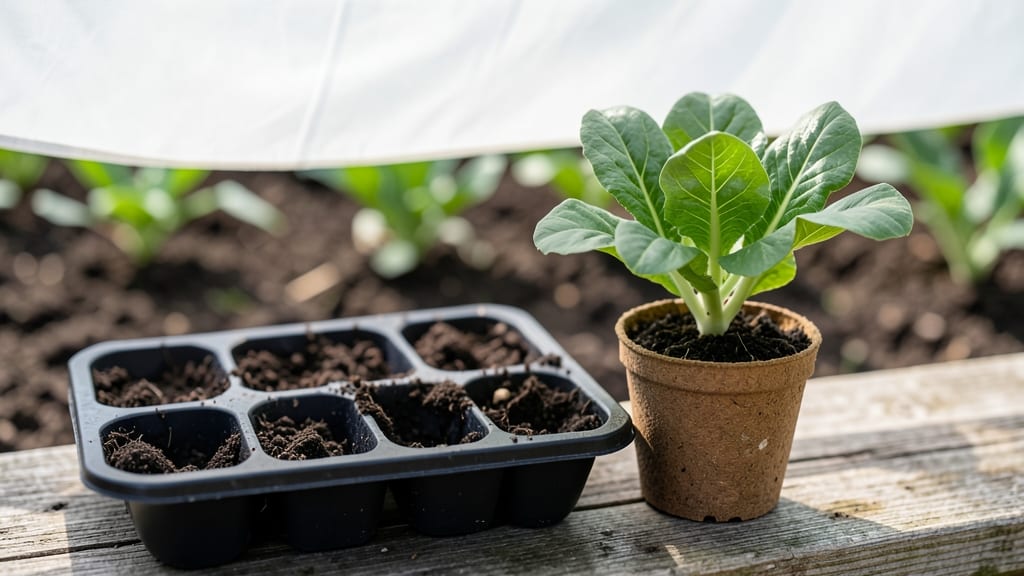
Transplanting germinated seeds at the right time ensures strong roots and healthy growth—not just a guess based on the calendar.
Picture this: your 🌱 seedlings have two true leaves, the soil is finally warm, and the frost risk is gone. But you wait too long, and the roots get tangled. Or you rush it, and the shock kills them before they even take hold.
The difference between thriving plants and stunted ones often comes down to soil temperature, not just the date on your calendar.
Most gardeners focus on the last frost date, but the real magic happens when the soil hits the right temperature for your plant type. Warm-season crops like tomatoes need at least 60°F soil, while cool-season greens can handle cooler ground.
I’ve made the mistake of transplanting too early—only to watch my seedlings wilt in the cold—and too late, when they outgrew their pots and became root-bound.
In this guide, I’ll break down the exact soil temperatures by plant type, how to test readiness, and the 3 signs your seedlings are truly ready to move. Whether you’re in Zone 6a or another region, you’ll learn how to time your transplant like a pro.


Soil temperature guidelines for transplanting germinated seeds by plant type
Transplanting germinated seeds too early or late can shock delicate seedlings and stunt their growth. Unlike calendar dates, soil temperature is the true indicator of readiness. Warm-season plants like tomatoes and peppers need consistently warm soil, while cool-season crops such as kale and carrots thrive in cooler conditions.
Understanding these minimum soil temperature requirements ensures your seedlings establish strong roots and grow vigorously.
Your USDA hardiness zone also plays a critical role in timing. A zone 5 garden may need to wait until late May for warm-season plants, while zone 9 gardens can start as early as March.
Always check weekly soil temperatures rather than relying on air temperature alone—soil stays cooler and retains moisture longer, especially in shaded areas.
Here’s how to test soil temperature accurately: Use a soil thermometer (insert 2-3 inches deep) on a cloudy day between 10 AM and 2 PM. For a DIY method, bury a candy thermometer in the soil for 30 minutes.
If you don’t have a thermometer, press your hand into the soil—cool-season plants like lettuce feel chilly (40-50°F), while warm-season plants need soil that feels warm (60-75°F) to the touch.
| Plant Type | Minimum Soil Temp (°F) | Ideal Transplant Window | Notes |
|---|---|---|---|
| Warm-Season Plants | 60-75°F | After last frost, soil >60°F | Tomatoes, peppers, cucumbers, squash |
| Cool-Season Plants | 40-50°F | Early spring or fall, soil >40°F | Lettuce, spinach, peas, carrots |
| Herbs (Basil, Cilantro) | 55-65°F | Late spring, soil >55°F | Basil needs warmth; cilantro prefers cooler soil |
| Root Vegetables | 45-55°F | Early spring or late summer | Carrots, beets, radishes |
| Flowers (Marigolds, Zinnias) | 60-65°F | After frost, soil >60°F | Annuals thrive in warm soil |
For warm-season plants, wait until the soil reaches at least 60°F for 5-7 consecutive days. If you’re in a northern climate (zones 3-5), this could mean waiting until late May or early June.
In southern zones (7-10), you might start as early as March. Always monitor nighttime temperatures—if they dip below 50°F, delay transplanting to avoid transplant shock.
Cool-season plants, like broccoli and cabbage, can handle soil temperatures as low as 40°F. These crops often benefit from an early spring or late summer/fall transplant to avoid bolting (premature flowering). If your area experiences late frosts, use row covers to protect seedlings until soil warms consistently.
Adjust your transplant schedule based on microclimates in your garden. South-facing beds warm up faster than north-facing ones, and raised beds heat up quicker than in-ground soil. If you’re unsure, use a soil warming mat for 2-3 days before transplanting warm-season plants to jumpstart root growth.
For herbs like basil, a soil temperature below 55°F will stunt growth—wait until the soil feels warm to the touch before planting.
Transplanting too early can lead to yellowing leaves, stunted growth, or even death. If your seedlings show signs of stress—like purple stems or wilting—they’re likely too cold.
Conversely, transplanting too late can delay harvests or reduce yields. For example, tomatoes planted after June in hot climates may struggle to mature before frost.
Pro tip: Harden off seedlings for 7-10 days before transplanting, regardless of soil temperature. Gradually expose them to outdoor conditions (sun, wind, and temperature fluctuations) to reduce shock. On transplant day, water
How to check soil readiness: 5 signs your germinated seeds are ready to transplant
Transplanting seedlings too early or too late can derail your garden dreams. While soil temperature is crucial, there are 5 key signs that tell you—beyond the thermometer—when your germinated seeds are truly ready. These indicators help you avoid transplant shock and give your plants the best start possible.
Don't rely solely on calendar dates or frost warnings. Instead, focus on your seedlings' physical development and environmental conditions. I’ve learned the hard way that ignoring these signs often leads to leggy, weak plants that struggle to adapt.
Let’s break down what to watch for before you dig that first hole.
Seedlings should have 2-4 true leaves (not just cotyledons) that are dark green and firm to the touch. Avoid transplanting if leaves are yellowing or wilting—this signals stress or disease.
Gently squeeze the root ball—roots should fill the container but not circle tightly. If roots are matted or growing out of drainage holes, it’s time to transplant. Overcrowded roots struggle to absorb water and nutrients.
Gradually expose seedlings to outdoor conditions (wind, sun, temperature fluctuations) for 1-2 hours daily, increasing time each day. By day 7, they should handle full sun exposure without wilting. Skip this step, and you risk transplant shock.
Check the 10-day forecast for stable temperatures above 50°F (10°C) at night and no rain for 24-48 hours post-transplant. Frost or soggy soil can kill tender seedlings overnight. Use a frost cloth if needed for extra protection.
Test soil temperature with a soil thermometer—most seedlings thrive when soil is 60-70°F (15-21°C). If the ground is cold or hard, wait. Amend clay soil with compost to improve drainage and warmth retention for faster root establishment.
Once you’ve confirmed all five signs, it’s time to transplant. I always dig holes twice as wide as the root ball to encourage root spread and avoid compacting soil around delicate roots. Water deeply after planting to eliminate air pockets and reduce stress.
Remember, warm-season crops like tomatoes and peppers are more forgiving than cool-season plants like lettuce or spinach. The latter can bolt or rot if exposed to heat too soon. Adjust your timeline based on the plant type and your local climate zone.
Transplanting at the right time isn’t just about survival—it’s about setting your plants up for lush growth and abundant harvests. Pay attention to these signs, and you’ll see the difference in your garden’s vitality from day one. Happy planting! 🌱