
Planting
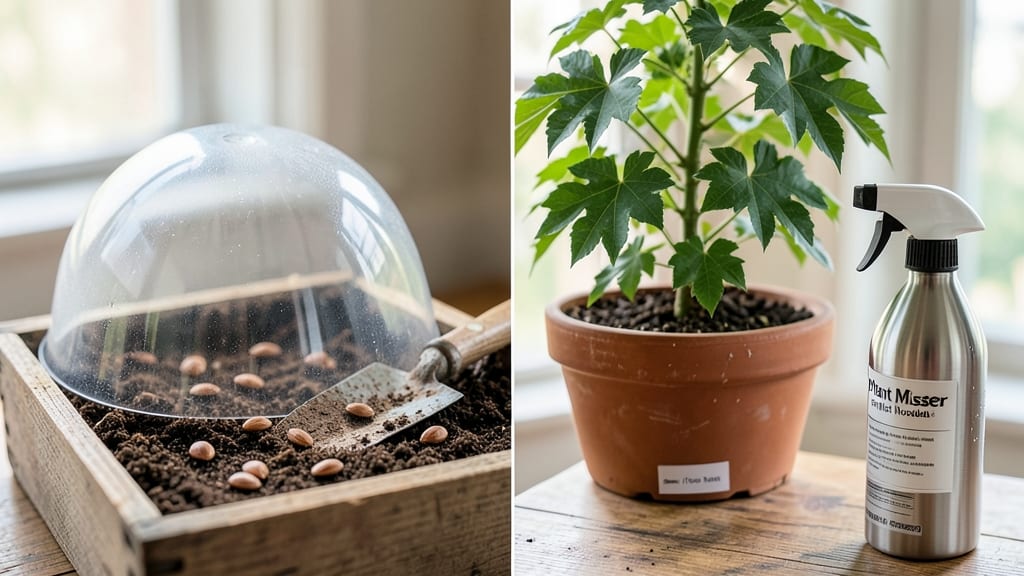
Sowing cotton seeds in loose, well-drained soil isn’t just possible—it’s the secret to those fluffy, cloud-like blooms you’ve always wanted. 🌱 I’ve struggled with cotton germination before, but after perfecting this method, my seedlings now sprout reliably within 10-14 days, even in less-than-ideal conditions.
The key? Mimicking the dry, airy soil cotton craves in its native habitats, without overcomplicating the process.
You’ll need just four things: a seed-starting tray or small pots, a 50/50 mix of potting soil and perlite, cotton seeds (soaked overnight for faster sprouting), and a spray bottle for gentle watering.
Skip the heavy garden soil—cotton roots need room to breathe, and compacted dirt smothers them before they even start. Plant seeds ½ inch deep, just enough to cover them lightly, and space them 1 inch apart to prevent crowding as they grow.
Once planted, keep the soil consistently moist but never soggy—cotton seeds rot faster than they sprout if overwatered. Place your tray in a warm spot (around 75°F) with bright, indirect light, and avoid direct sunlight until the first true leaves appear.
That’s when you’ll see the magic: sturdy seedlings with smooth, hairless stems, ready to be transplanted outdoors once all frost risk has passed.
This method works for both indoor starts (great for short growing seasons) and direct outdoor sowing in warmer climates. The trick to success? Patience and precision—cotton takes longer to mature than many annuals, but the payoff of those iconic white blooms makes every extra day worth it.
Ready to grow your own cloud garden?
📚 In This Guide
- What you need
- Instructions
- Tips and common mistakes
- Wrapping up and next steps
What you need
- ● Cotton seeds: High-quality, untreated seeds (e.g., Gossypium hirsutum or Gossypium barbadense). Aim for 10–20 seeds per square foot for optimal spacing.
- ● Well-drained soil: A mix of 60% loose topsoil, 30% compost, and 10% perlite/sand (to prevent compaction). pH should be 6.0–7.5.
- ● Seedling trays or pots: 2–3 inch deep with drainage holes (biodegradable pots are eco-friendly!).
- ● Planting tool: A small hand trowel or dibber for precise seed placement.
- ● Watering can or spray bottle: With a fine mist nozzle to avoid displacing seeds.
- ○ Plastic wrap or humidity dome: To retain moisture during germination (optional but highly recommended).
- ● Grow lights or sunny windowsill: Cotton seeds need 8–12 hours of warmth (70–85°F) to sprout.
- ● Seedling heat mat (75–85°F) for faster germination.
- ● Fertilizer (balanced 10-10-10 or compost tea) after sprouts emerge.
- ● Insect netting to protect young seedlings from pests.
- ● pH test kit to monitor soil acidity.
- ● Label markers to track seed varieties.
Step-by-Step guide to stress-free cotton seed germination
Cotton thrives when you respect its need for warmth and loose soil—here’s how to create the perfect conditions.
🌱 Step 1: Prepare the Planting Site or Containers
Cotton seeds need a loose, well-drained medium to prevent rot. If planting directly in the garden, choose a spot with full sun exposure and soil that drains quickly—sandy loam works best. Mix in 2-3 inches of compost to improve aeration and fertility, but avoid heavy clay.
For container growing, use a blend of 50% potting mix and 50% perlite or coarse sand to replicate ideal drainage. Fill containers to within ½ inch of the rim, leaving room for seeds. Tap the surface gently to eliminate air pockets but don’t compact the soil—cotton roots need space to spread.
💧 Step 2: Sow Seeds at the Right Depth and Spacing
Plant cotton seeds ½ inch deep and 1 inch apart—they germinate best when barely covered. Sowing too deep forces seedlings to struggle upward, weakening their stems. If using trays, space rows 2 inches apart to allow for easy thinning later.
Water gently after planting, but avoid soaking the soil. Use a spray bottle or fine rose attachment to moisten only the top layer—overwatering at this stage can cause seeds to rot before they sprout. Keep the soil consistently moist but not soggy until germination, which typically takes 7-14 days in 75-85°F soil.
☀️ Step 3: Provide Warmth and Light for Germination
Cotton seeds germinate fastest in warm conditions. Place containers in a sunny window or under a grow light set to 14-16 hours of light daily. If your home runs cooler, use a seedling heat mat to maintain soil temperatures above 70°F—cold soil slows or stops germination entirely.
Watch for the first signs of growth: tiny white roots will appear first, followed by a small shoot breaking through the soil. Once 50% of seeds have sprouted, reduce humidity by removing any plastic covers—excess moisture now invites fungal diseases like damping-off.
🌿 Step 4: Thin Seedlings and Support Early Growth
When seedlings reach 2 inches tall, thin them to 3-4 inches apart to prevent overcrowding. Use scissors to snip unwanted plants at soil level—pulling risks damaging roots of remaining seedlings. Stronger seedlings will have bold green leaves and sturdy stems.
Install small stakes or cages near each plant to support vertical growth. Cotton stems grow tall quickly, and early support prevents them from bending or breaking under their own weight. Keep soil consistently moist but not waterlogged—1 inch of water per week is ideal during active growth.
⏰ Step 5: Harden Off Before Transplanting
Two weeks before your last frost date, begin hardening off seedlings by placing them outdoors in a sheltered spot for 2-3 hours daily. Gradually increase exposure over 7-10 days, watching for signs of stress like wilting or yellowing leaves. Hardened seedlings will bounce back quickly when touched.
Transplant on a cloudy day or in the late afternoon to reduce shock. Bury seedlings ½ inch deeper than their container level—this encourages root development along the buried stem. Water deeply after transplanting to settle soil and reduce air pockets around roots.
Tips & tricks for perfect cotton seed germination
Here's what nobody tells you about getting those stubborn cotton seeds to sprout reliably.
Soil Texture Matters: The 50/50 potting mix and perlite blend in Step 1 isn't just about drainage—it's about creating the perfect air-to-moisture ratio. I've learned the hard way that compacted soil smothers cotton roots before they can establish. After filling your containers, run your finger through the mix—it should feel like damp sand, not wet clay. If it sticks together, add more perlite until it crumbles easily.
Germination Temperature Secrets: Those 75-85°F soil temps in Step 2 are non-negotiable, but here's the trick: use a digital soil thermometer to verify. I've seen germination fail completely when I thought the heat mat was working—it was only reaching 68°F. Place your thermometer at seed depth before planting to confirm you're hitting that critical range. Cold soil is the #1 reason cotton seeds refuse to sprout.
Lighting Strategy: The 14-16 hours of light in Step 3 is essential, but quality matters more than quantity. If using grow lights, position them 6-8 inches above seedlings—they'll stretch and become leggy if too far away. I've had success with LED grow lights on a timer, but fluorescent bulbs work too if you can't afford the upgrade. The key is keeping them consistent once germination starts.
Thinning Technique: When you reach Step 4 and those seedlings hit 2 inches tall, resist the urge to pull weeds—use sharp scissors instead. I've seen too many gardeners accidentally uproot their remaining plants while thinning. Cut at soil level and leave the stumps—those roots will still absorb nutrients as they decompose. This prevents shocking your healthy seedlings while you're cleaning up.
Pro Tips for Cotton Seed Sowing
- Here's what nobody tells you about getting those stubborn cotton seeds to sprout reliably.
- Soil Texture Matters: The 50/50 potting mix and perlite blend in Step 1 isn't just about drainage—it's about creating the perfect air-to-moisture ratio.
- Germination Temperature Secrets: Those 75-85°F soil temps in Step 2 are non-negotiable, but here's the trick: use a digital soil thermometer to verify.
Frequently asked questions
Got questions about cotton seed sowing?
You’re not alone! Here are some of the most common concerns—and their straightforward answers—to help you grow confidently.
When is the best time to plant cotton seeds?
The ideal time depends on your climate, but cotton thrives in warm soil (70°F+). In most regions, sow seeds 2-3 weeks after the last frost when nighttime temps stay above 55°F. For tropical zones, plant during the monsoon season for natural moisture. Always check your local frost dates!
How long does it take for cotton seeds to germinate?
Germination usually takes 7-14 days in optimal conditions (warm soil, consistent moisture, and sunlight). If seeds don’t sprout within 2 weeks, check soil moisture and temperature—too-cold soil can delay germination. Avoid overwatering, which may cause rot.
Can I grow cotton from store-bought cotton?
Nope! Store-bought cotton is processed and treated to prevent germination. For sowing, use raw, untreated cotton seeds from garden centers or online suppliers. Look for varieties like Upland or Pima cotton for home gardens.
What should I do if my cotton seedlings look weak or yellow?
Weak or yellow seedlings often signal overwatering, poor drainage, or pests. Let the soil dry slightly between waterings, ensure pots/drainage holes are present, and inspect for aphids or spider mites. A balanced fertilizer (10-10-10) can also boost growth if soil nutrients are lacking.
Is cotton farming sustainable for small gardens?
Cotton is low-maintenance and drought-tolerant once established. For small gardens, opt for dwarf varieties or container growing. Just avoid monocropping—rotate with legumes to replenish nitrogen. Plus, homegrown cotton means zero pesticides if you prioritize organic care!
Wrapping up and next steps
Mastering cotton seed sowing is all about patience, preparation, and the right conditions—loose, well-drained soil is your secret weapon! 🌱 With the right tools, timing, and care, you’ll watch those seeds sprout into thriving plants. Don’t let challenges like depth or spacing slow you down; confidence comes with practice.
Ready to take the next step? Start small—plant a few seeds in a controlled environment (like a pot) to refine your technique before scaling up. Happy sowing, and may your cotton crop flourish! 🌟