
Companion Plants
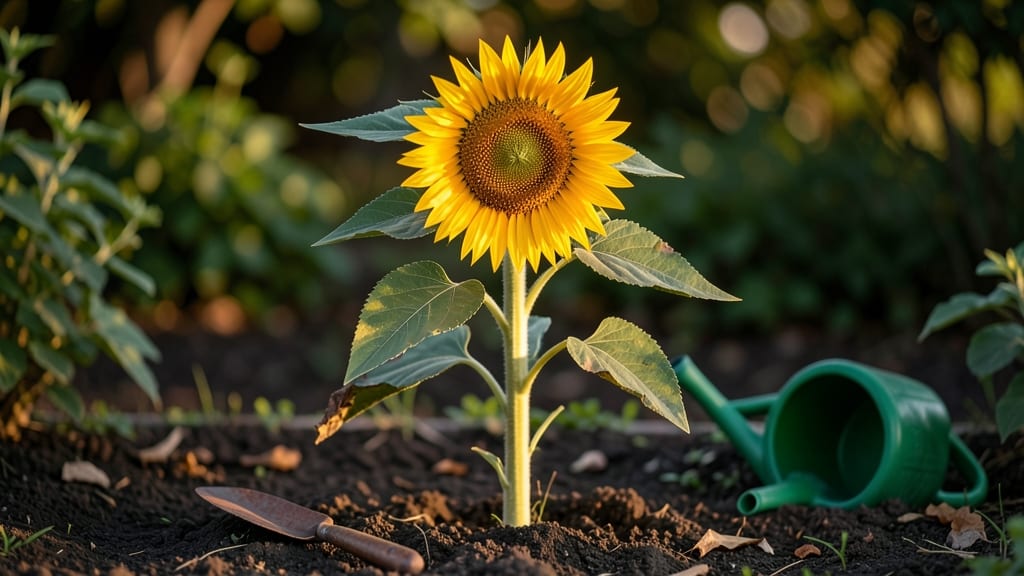
Planting sunflower seeds in Pennsylvania after the last frost—typically mid-April to mid-June—sets the stage for towering 🌻 blooms that brighten your garden all summer.
But get the timing wrong, and you’ll either watch delicate seedlings freeze in a late frost or struggle with leggy, weak stems from too much early heat.
Pennsylvania’s 5a-7b zones create a tricky balance—too soon, and frost zaps your efforts; too late, and your sunflowers race toward harvest before they’ve had time to mature.
Here’s the exact strategy to nail your planting window, from checking soil temperatures to adjusting for your specific zone. You’ll learn how to outsmart Pennsylvania’s unpredictable spring weather, whether you’re growing dwarf varieties for containers or giant sunflowers that reach for the sky.
Plus, I’ll share my go-to tips for direct sowing, spacing, and post-planting care—so your sunflowers grow strong, straight, and ready to turn heads (and cameras) by late summer.
Pennsylvania sunflower planting timeline by hardiness Zone (exact frost dates)
Pennsylvania’s diverse hardiness zones—from 5b in the north to 7a in the south—create big differences in when you can safely plant sunflower seeds. In Zone 5b, for example, frost lingers until May 15, while Zone 7a gardeners can start as early as April 1.
Getting the timing right means the difference between vibrant blooms and frost-nipped seedlings.
Sunflowers thrive when soil temperatures hit 55°F (13°C)—a threshold that arrives weeks apart across the state. I’ve broken down the exact planting windows for each zone, including last frost dates and soil readiness tips to help you avoid common mistakes.
Whether you’re growing dwarf varieties for containers or giant sunflowers for cut flowers, this timeline ensures your seeds sprout strong and healthy.
Here’s how Pennsylvania’s zones compare for sunflower planting, including ideal transplant dates and soil temperature guidelines to maximize your success:
If you’re in Zone 5b, don’t rush to plant before May 20—even if the weather looks warm. A late frost in May can wipe out tender seedlings overnight. I’ve learned this the hard way after planting too early in Erie and losing half my crop!
Instead, use row covers or wait until the soil stays consistently above 55°F (13°C) for 5 days straight.
For Zones 6a and 6b, the window opens earlier, but timing still matters. Planting in late April gives your sunflowers a head start, but avoid sowing before April 15 unless you’re using a greenhouse or cold frame.
In Lancaster, for example, I’ve found that May 1 is the sweet spot for semi-dwarf varieties, balancing frost risk with summer heat.
Gardeners in Zone 7a have the longest season, but don’t assume you can plant anytime after March 15. Soil in southern Pennsylvania can still be too cold for sunflower seeds, even if daytime temps are mild.
Use a soil thermometer to confirm the ground has warmed to 55°F (13°C)—this is especially critical for giant sunflowers, which need every warm day to reach their full height.
Pro tip: If you’re growing late-blooming varieties like ‘Moulin Rouge’ or ‘Russian Giant’, you can push planting to mid-June in most zones. These sunflowers have longer maturity times (90–120 days), so they’ll still produce stunning blooms before the first frost.
Just be sure to space them properly—giant varieties need 18–24 inches apart to avoid shading each other.
One mistake I see often is planting sunflowers too close together, which leads to weak stems and fewer blooms. Whether you’re in Zone 5b or 7a, follow these spacing guidelines: 6 inches apart for dwarf varieties, 12 inches for semi-d
How to adjust sunflower planting for early vs late varieties (with PA-specific tips)
Pennsylvania’s diverse climate—from the cool mountain valleys of the Poconos to the warmer river valleys like the Susquehanna—means your sunflower timing should vary by location.
Early varieties like 'Moulin Rouge' (2-4 ft tall) thrive when planted as soon as soil warms, while giant varieties like 'Russian Giant' (10-18 ft) need a longer growing season to reach their full height.
In Zone 5b (e.g., Erie, Scranton), aim for mid-May planting to avoid late frosts. In Zone 7a (e.g., Philadelphia, Pittsburgh), you can start as early as late April for early blooms. For late varieties, extend your season by choosing heat-tolerant hybrids or using row covers to protect young plants.
Dwarf sunflowers (2-4 ft tall) are perfect for containers or small gardens. Plant them 2-3 weeks after your last frost date—typically early May in most of PA—to ensure they bloom before summer’s heat peaks.
Giant varieties, however, need 70-120 days to mature, so plant them by mid-June in cooler zones to avoid fall frosts.
🌱 PA Sunflower Planting Cheat Sheet
Erie, Scranton
Early Varieties: May 10-20
Late Varieties: June 1-15
Harrisburg, State College
Early Varieties: April 25-May 10
Late Varieties: May 20-June 5
Philadelphia, Pittsburgh
Early Varieties: April 15-25
Late Varieties: May 15-June 10
Pro Tip: Use black plastic mulch to warm soil faster in cooler zones.
For mountainous regions like the Lackawanna Valley, push planting back to late May to avoid late spring frosts that can kill tender seedlings. In river valleys, where heat arrives earlier, you can start 3 weeks sooner—just monitor soil temps with a soil thermometer (aim for 55°F+).
To extend the season for late blooms, choose short-day varieties like 'Autumn Beauty', which respond to shorter daylight hours in fall. Pair them with row covers to shield them from early October frosts, especially in Zone 5b.
In Zone 7a, you might even get a second bloom cycle if you plant late-July succession seeds.
Remember, microclimates matter. A south-facing slope warms up faster than a north-facing yard, so adjust your planting window accordingly. If your garden is shaded, opt for dwarf varieties that tolerate partial shade better than giants.
With the right timing, you’ll enjoy sunflowers from July to October—no matter where in PA you garden! 🌻