
Plants
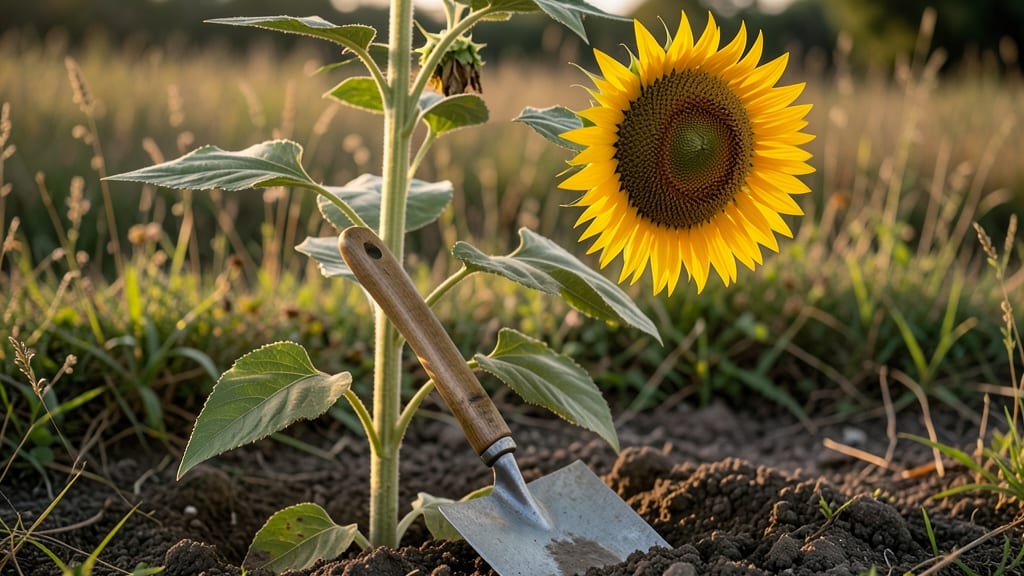
Planting sunflower seeds in Georgia at the right time means the difference between 10-foot giants and stunted, sad stalks 🌻 — and the clock starts when soil warms to 60°F.
Georgia’s warm climate and long growing season make it an ideal place for sunflowers, but timing is everything to ensure towering blooms and thriving plants. Miss the window, and you’ll end up with leggy, weak stems that struggle to support their own weight.
Most gardeners in USDA zones 7a-8b should aim for late March to early April, after the last frost date has passed. This gives your sunflowers 100+ days of warm weather to reach their full height potential.
Below, I’ll break down the exact frost-date guide by zone, soil prep tips, and how to adjust for Georgia’s humidity and heat—so you can grow sunflowers that rival the ones at the state fair.
Georgia sunflower planting dates by USDA zone: exact timing for frost-free success
Georgia's diverse USDA zones (7a-8b) create unique planting windows for sunflowers, where timing directly impacts your chance to grow 10-foot-tall giants like 'Russian Giant'. The key? Planting after soil reaches 60°F+ and avoiding late frosts that can stunt young seedlings.
Sunflowers thrive in Georgia's heat, but early spring planting risks bolting (premature flowering) from warm soil, while late summer sowing ensures fall blooms. Let's break down the exact planting windows by zone to maximize your sunflower's potential.
Pro Tip: Use a soil thermometer to confirm 60°F+ soil temperatures before planting—this prevents slow germination in cooler zones like 7a.
For tall varieties like 'Russian Giant' (12+ feet), aim to plant in late March to early April in most of Georgia. These giants need 90-120 days to mature, so timing is critical to avoid first frost risks in November.
In Zone 8b (South GA), you can push planting to mid-February for early blooms, but always verify soil temperatures—warm soil triggers bolting. For fall blooms, sow seeds in late August to enjoy sunflowers through October.
Remember: 'Russian Giant' needs space—plant at least 2 feet apart and provide stakes for windy areas. In humid Piedmont zones (7b), watch for powdery mildew and space plants for airflow.
How to adjust sunflower planting for Georgia’s microclimates: heat, humidity, and soil tips
Georgia’s humidity levels and intense heat can challenge sunflower growth, but with the right adjustments, you’ll grow towering, healthy plants. The key is understanding how to adapt planting times, manage soil conditions, and protect against common pests like powdery mildew.
Whether you’re in the coastal regions or the Piedmont, these tips will help you maximize your sunflower’s potential.
Sunflowers thrive in well-draining soil with a pH between 6.0 and 7.0, but Georgia’s clay-heavy soils in some areas can cause waterlogging. Amending your soil with compost or sand ensures roots stay healthy, especially during the hot summer months.
Additionally, mulching helps retain moisture and keeps roots cool—a must in Georgia’s sweltering afternoons.
Here’s how to fine-tune your approach for Georgia’s unique growing conditions:
Plant sunflower seeds after soil temperatures reach 60°F (typically mid-April in most of Georgia) to prevent premature bolting caused by warm spring nights.
Water deeply in the morning and avoid overhead sprinkling to reduce fungal spores. Space plants 12-18 inches apart for better airflow in humid areas like coastal Georgia.
Mix compost or perlite into heavy clay soils to improve drainage. Test your soil’s pH—sunflowers prefer 6.0-7.0, and Georgia’s native soils often skew acidic.
Use 30% shade cloth in May-June to protect seedlings from intense afternoon sun, especially in zones 8a-8b where heat spikes early.
Tall varieties like ‘Russian Giant’ need windbreaks (e.g., fences or nearby shrubs) in open fields to prevent stem breakage during Georgia’s summer storms.
For drought-prone areas like the western Piedmont, reduce watering once plants are established (after 4-6 weeks). Instead of daily watering, deep-soak weekly to encourage deep root growth.
In coastal regions, where humidity lingers, focus on fungal prevention—apply neem oil spray every 2 weeks during peak growing months.
Finally, rotate crops annually to prevent soil-borne diseases. Sunflowers are heavy feeders, so a balanced 5-10-10 fertilizer at planting and again in early summer will give them the boost they need to reach their full height potential—even in Georgia’s challenging climate.