
Companion Plants
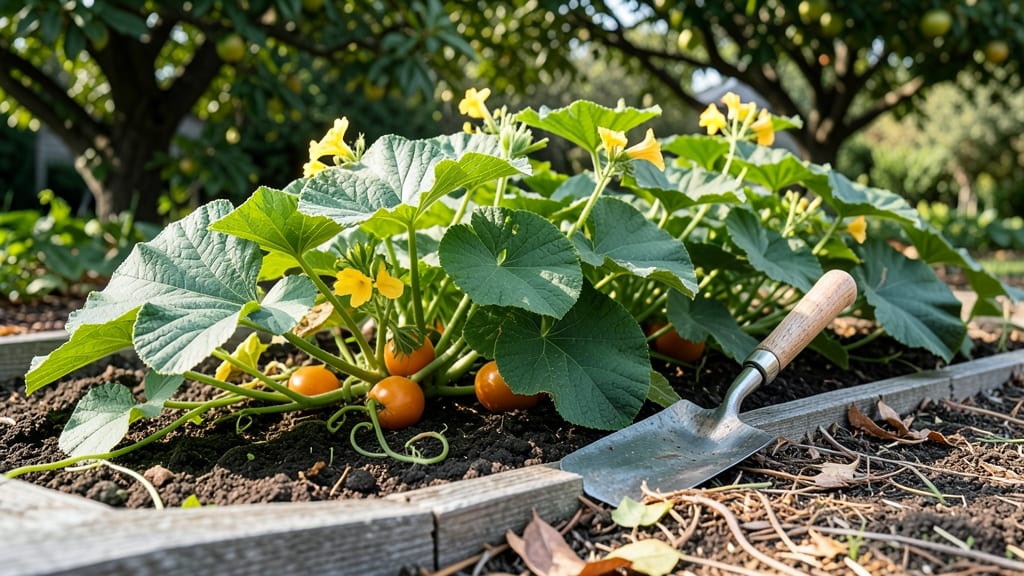
Planting pumpkin seeds in Pennsylvania after the last frost date — typically mid-April to early June — is your best bet for a thriving harvest 🎃.
Pennsylvania gardeners know timing is everything—plant pumpkin seeds too early, and frost will kill your crop; too late, and you’ll miss the growing season entirely. With PA’s diverse climate zones, the perfect planting window varies by region and pumpkin variety.
Whether you’re growing winter storage types or quick-harvest summer pumpkins, getting the timing right means fewer wasted seeds and bigger yields.
Below, I’ll break down the exact frost-date calculator by USDA Zone, the best varieties for PA’s short season, and how to extend your growing window when spring weather plays tricks.
You’ll also discover the 3 key mistakes that trip up even experienced gardeners, plus a foolproof method to tell when your pumpkins are truly ready to harvest before the first frost hits.
Pennsylvania pumpkin planting dates by USDA hardiness Zone (2024 guide)
Pennsylvania's USDA Zones 5-7 create unique challenges for pumpkin growers. In Zone 5a, where last frosts can linger until May 15, you’ll need early-maturing varieties or cold protection. Meanwhile, Zone 7b gardeners enjoy a 165-day frost-free window—perfect for giant varieties like 'Mammoth Gold'.
The key is matching your pumpkin variety to your zone’s last frost date and first frost date.
For accurate frost dates, check the Pennsylvania State Climate Office (link) or your local Cooperative Extension office. These resources provide hyperlocal data—critical when Zone 6a in central PA can have a 2-week earlier frost than Zone 7a in the southeast.
Always plant after soil temperatures reach 60°F (test with a soil thermometer) to ensure germination.
Winter squash varieties like 'Jack Be Little' (55 days) thrive in short-season zones, while summer pumpkins such as 'Howden' (110 days) need longer growing seasons. Below is a zone-by-zone breakdown of ideal planting windows, including adjustments for direct sowing vs. indoor starts.
In Zone 5a, where summers are shorter, prioritize smaller varieties like 'Baby Bear' (75 days) or 'Autumn Gold' (85 days). These mature quickly and tolerate cooler soils.
For Zone 7b, you can experiment with heirloom varieties like 'Long Island Cheese' (100 days) or even 'Atlantic Giant' (120+ days) if you’re ambitious.
If you’re starting seeds indoors, begin 4–6 weeks before your zone’s last frost date. Use biodegradable pots to avoid transplant shock, and harden off seedlings for 7–10 days before moving them outdoors.
Direct sowing is simpler for Zone 6b–7b gardeners, but always plant after Memorial Day to avoid late frosts—even in warmer zones, May nights can still dip below 40°F.
Pro tip: Mark your calendar for July 4th in Zone 5a and Labor Day in Zone 7b as your harvest deadlines. Pumpkins need 90–120 days to mature, so plan accordingly. For example, a 'Howden' pumpkin planted on
Best pumpkin varieties for Pennsylvania’s short vs. long growing seasons
Choosing the right pumpkin variety for Pennsylvania means balancing maturity days with your local frost dates. In USDA Zones 5-7, some varieties thrive in short seasons (like Zone 5a), while others need longer growing periods (Zone 7b).
My top picks focus on storage life and heat tolerance—critical for PA’s unpredictable summers.
For short-season gardens (60-90 days to maturity), I recommend varieties like 'Jack Be Little' or 'Baby Bear'. These dwarf pumpkins mature quickly and handle cool nights better than large vining types.
If you’re in Zone 6 or 7, you can afford slightly longer varieties like 'Howden' or 'Cinderella', which store well through winter.
🎃 Heat tolerance is another key factor—PA summers can swing from humid heat to sudden cool snaps. Varieties like 'Minnesota Golden Midget' (80 days) perform well in Zone 6-7 because they resist powdery mildew and cucumber beetles, common pests in PA.
For longer seasons, 'Sugar Pie' (110 days) is a favorite for its sweet flesh and disease resistance.
If you’re growing for fresh eating, prioritize smaller varieties like 'Sugar Pie' or 'Waltham Butternut'. These quick-maturing types (80-90 days) produce sweet, tender flesh perfect for pies and roasting.
For long-term storage, opt for 'Howden' or 'Cinderella', which keep well in cool, dry conditions (50-55°F) for up to 6 months.
Pro tip: In Zone 5, start dwarf varieties indoors 4-6 weeks before your last frost date. For Zones 6-7, direct sow after soil reaches 70°F (usually late May). Use black plastic mulch to warm the soil faster and extend your growing season.
My top 5 picks for PA balance speed, flavor, and storage potential. Whether you’re carving jack-o'-lanterns or baking pies, these varieties deliver reliable results—even in PA’s variable climate. 🪴