
Plants
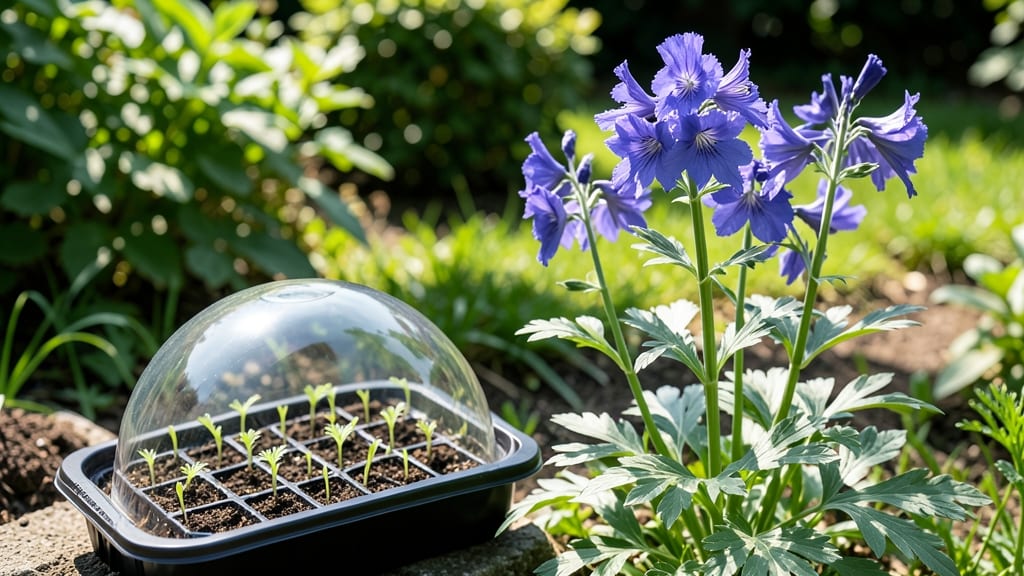
To plant larkspur seeds in Zone 8 for show-stopping 🌸 blooms, aim for late winter to early spring—typically February through March—when soil temperatures hover around 50°F.
Picture this: your garden bursting with towering spires of blue, purple, and white by May, only to fade by summer’s heat. That’s what happens when you miss the ideal window—larkspur thrives on cool weather and wilts under Zone 8’s relentless sun.
The secret? Planting early enough for roots to establish before the real heat arrives, but not so early that seeds rot in damp soil.
Most gardeners in Zone 8 swear by late February as the sweet spot, giving seedlings a head start before the last frost (mid-February on average). But cooler microclimates near hills or shaded areas can shift that timeline by weeks.
We’ll break down how to adjust for your specific patch of earth, plus the one soil trick that keeps larkspur from flopping over in summer winds.
Inside, you’ll find the exact planting depth (¼ inch deep, no deeper), spacing tips to prevent overcrowding, and a 3-step care routine that guarantees those signature blooms—no guesswork, just results.
Best planting months for larkspur in Zone 8: fall vs spring timing
Larkspur thrives in Zone 8's mild winters, but the best planting window depends on whether you choose fall or spring sowing. Unlike many annuals, larkspur seeds germinate best in cool soil temperatures between 50°F and 60°F.
In Zone 8, this creates two ideal planting opportunities—fall and spring—each with unique advantages for bloom timing and plant health.
Most gardeners in Zone 8 prefer fall planting because it allows larkspur to establish roots before summer heat arrives. However, spring planting can also work if you adjust for your specific microclimate. Let’s compare both approaches so you can choose what works best for your garden’s conditions.
⚠️ Key Consideration: Larkspur seeds do not transplant well, so direct sowing is essential. Avoid starting seeds indoors unless you’re prepared to harden them off carefully for outdoor planting.
| Factor | Fall Planting (August-September) | Spring Planting (February-March) |
|---|---|---|
| Ideal Soil Temp | 55°F–65°F | 50°F–60°F |
| Planting Window | Late August–early September | Late February–early March |
| Bloom Time | Spring (March–May) | Late spring (May–June) |
| Frost Risk | Low (established roots) | Moderate (late frosts possible) |
| Heat Stress Risk | Low (avoids summer heat) | High (seedlings vulnerable) |
| Best For | Early blooms, cooler microclimates | Warmer microclimates, delayed planting |
For fall planting, aim to sow larkspur seeds 8–10 weeks before your first frost (typically late August to early September in Zone 8). This timing ensures seeds germinate and establish roots before winter dormancy.
The plants will then bolt quickly in spring, producing vibrant blooms from March to May—just as other spring flowers begin to fade.
If you choose spring planting, sow seeds 4–6 weeks before your last frost date (usually late February to early March). However, be cautious: seedlings struggle in Zone 8’s heat, and late frosts can damage young plants.
To mitigate this, use row covers or plant in partial shade until seedlings are established.
In cooler microclimates (e.g., higher elevations or shaded areas), you can push fall planting slightly later—even into early October. Conversely, in warmer microclimates, spring planting may need to start as early as January to avoid heat stress. Always check your local frost dates and adjust accordingly.
One critical advantage of fall planting is that larkspur seeds require stratification (a cold period) to germinate. Fall sowing naturally provides this, while spring planting may need pre-chilling seeds for 2–4 weeks before sowing. Simply place seeds in a moist paper towel in the fridge for the required time.
For longer bloom duration, consider staggered planting: Sow half your seeds in fall and half in early spring. This creates a sequential bloom display from March through June, extending your garden’s color palette. Just ensure each batch gets consistent moisture to prevent leggy growth.
Remember, larkspur seeds are tiny and delicate. Press them lightly into soil (no deeper than ¼ inch) and keep the surface moist but not soggy. Mulch lightly with straw or compost to retain moisture and suppress weeds—especially important in Zone 8’s dry summers.
Whether you choose fall or spring, patience is key. Larkspur seeds can take 2–3 weeks to germinate, and seedlings grow slowly at first. But once established, these dramatic spires will reward you with months of color—if you plant them at the right time.
How to time larkspur planting for longer blooms in Zone 8’s heat
Zone 8’s summer heat can shorten larkspur’s blooming season, but with the right timing and care, you can stretch those elegant spires for weeks longer. The key lies in staggered plantings and heat-tolerant varieties that thrive when temperatures dip slightly.
Unlike cooler climates, Zone 8 gardeners must work with the late-winter/early-spring window while preparing for summer’s intensity.
Larkspur seeds need consistent moisture and cool soil to germinate, making March the ideal month in most of Zone 8. However, if your area experiences early heat waves (like inland valleys), shift plantings to February. The goal? Beat the 90°F+ temperatures that stress seedlings and stunt growth.
- 🌱 Step 1: Start seeds indoors 6-8 weeks before your last frost (typically early February for Zone 8). Use seed trays with well-draining mix to prevent damping-off.
- 🌡️ Step 2: Harden off seedlings when night temps stay above 50°F (usually late March). Acclimate for 7-10 days to avoid transplant shock.
- 🌿 Step 3: Plant outdoors after soil reaches 55-60°F. Space seeds 12-18 inches apart—crowding invites disease in humid Zone 8 summers.
- ☀️ Step 4: Succession plant every 2 weeks until early May. This ensures continuous blooms as early plantings fade in the heat.
- 💧 Step 5: Water deeply at soil level (not overhead) to prevent fungal issues. Mulch with straw to retain moisture and cool roots.
For heat-tolerant varieties, opt for ‘Royal Family’ or ‘Tall Spike’ larkspur, which handle Zone 8’s late-spring heat better than standard types. These cultivars also produce longer stems (up to 5 feet), perfect for cutting gardens. Pair them with shade-loving perennials like coleus or impatiens to create a cooler microclimate.
Adjust your watering schedule to match larkspur’s needs: deep watering every 2-3 days during peak heat (June-July) prevents wilting. Avoid evening watering—wet foliage overnight invites powdery mildew, a common Zone 8 issue. Instead, water early morning when temps are cooler and evaporation is minimal.
To protect seedlings from late-summer heat stress, use lightweight row covers or shade cloth (30-50%) during the hottest hours (11 AM–3 PM). Remove covers by late afternoon to allow photosynthesis. This trick extends the blooming window by 3-4 weeks, giving you larkspur spires well into early July.
With these strategies, your Zone 8 garden can enjoy larkspur’s dramatic blooms for nearly half the year—from late spring through summer’s edge. The secret? Timing, variety selection, and heat management work together to outsmart the climate. 🌸