
Lawn
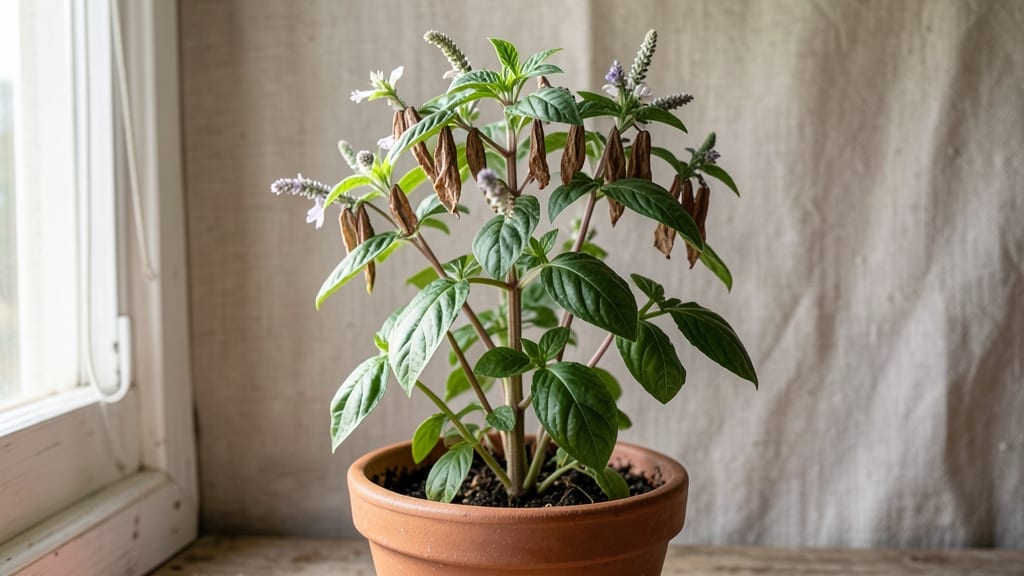
Harvesting basil seed pods turns last year’s plants into next year’s garden gold. 🌱 I’ve saved seeds from my own basil for three seasons now, and the process is simpler than you’d think—no fancy equipment, just patience and a little know-how to ensure those tiny seeds stay viable.
The key is timing: wait until the pods turn from green to brown and start cracking open on their own. Snap them off the stems before they release seeds everywhere, then lay them out on a screen or paper towel in a dry, dark spot.
Proper drying takes about 1-2 weeks, and you’ll know they’re ready when the pods crumble easily between your fingers.
Once dried, store the seeds in a labeled envelope or jar in a cool, dark place. They’ll stay good for 2-3 years, ready to grow into fresh basil whenever you need it.
The first time I grew from saved seeds, I was shocked at how robust the new plants were—better than anything I’d bought at the store.
Common challenges like mold or poor germination happen when pods aren’t fully dry or seeds get damp during storage. Keep an eye out for those telltale signs, and you’ll have a foolproof system for year-round basil. Here’s how to do it right the first time.
📚 In This Guide
- What you need
- Instructions
- Tips and common mistakes
- Wrapping up and next steps
What you need
- ● Mature basil plants: 3–5 healthy, flowering basil plants (e.g., Genovese, Thai, or Purple basil). Let flowers bloom fully (50–70 days post-planting).
- ● Pruning shears or sharp scissors: 1 pair (sterilized with rubbing alcohol to prevent disease).
- ● Brown paper bags or breathable mesh bags: 3–5 medium-sized bags (10x12 inches) for drying pods.
- ● Rubbing alcohol (70% or higher): Small bottle (for sterilizing tools).
- ● Small paintbrush or cotton swabs: 1–2 (for gentle seed extraction).
- ● Air-tight glass jars or seed envelopes: 2–3 (for storage; label with date!).
- ● Pencil or marker: 1 (for labeling).
- ● Hair dryer (cool setting): Speeds up drying time for pods.
- ● Fine-mesh sieve: 1 (to separate seeds from chaff easily).
- ● Humidity pack (silica gel): 1–2 packets (keeps stored seeds dry).
- ● Garden twine: Small roll (to hang pods for drying if space is tight).
- ● Notebook: 1 (to track seed varieties and harvest dates).
How to harvest basil seed pods for year-round viability
Here's how I collect and store basil seeds without the usual mess or waste.
🌿 Step 1: Identify and Select Mature Seed Pods
Wait until your basil plants produce brown, papery seed pods that feel dry to the touch. These form after flowers bloom and wither—usually 60-90 days after planting. I pinch off the pods when they're fully brown but before they crack open on their own.
Check pods daily during harvest season. If you wait too long, seeds scatter everywhere, and you lose potential. A gentle squeeze should make the pod feel crisp rather than soft. Avoid green or partially brown pods—they won't contain viable seeds.
✂️ Step 2: Harvest and Dry the Pods Properly
Use clean scissors or fingers to snip the pods from stems. Place them in a single layer on a paper towel or mesh screen. This prevents moisture buildup that causes mold. I like to lay them out in a warm, dry spot with indirect sunlight for 3-5 days.
Don't rush drying—seeds need time to fully mature. If humidity is high, prop up the screen with a small box to improve airflow. You'll know they're ready when the pods crumble easily between your fingers and seeds rattle inside.
🪴 Step 3: Extract and Store Seeds for Long-Term Viability
Once completely dry, gently crush the pods between your palms or roll them on a clean surface to release seeds. I use a small sieve to separate seeds from chaff. Store the seeds in a paper envelope or small glass jar in a cool, dark place—like a pantry or fridge.
Label each container with the variety and harvest date. Basil seeds stay viable for 2-4 years when stored properly. I always test a few seeds before full planting to confirm germination—sometimes older seeds need a quick soak in warm water to encourage sprouting.
☀️ Step 4: Encourage Next Year's Seed Pods
To ensure future harvests, allow some basil plants to flower naturally. Pinch back 30% of new growth in early summer to promote branching. This creates more flowers and seed pods. I also avoid heavy fertilizing after flowering—too much nitrogen delays seed formation.
Watch for pests like aphids during flowering—they love tender basil blooms. A quick spray of water or neem oil keeps them away. Healthy plants produce more robust seed pods, so prioritize consistent watering and sunlight.
Tips & tricks for perfect basil seed pod harvesting
Here's what I learned after harvesting basil seeds for years—these tricks make all the difference.
Timing is Everything: The 60-90 day window for mature pods is crucial. I've found that late afternoon harvesting works best because the pods are fully dry from daytime warmth but haven't absorbed evening moisture. If you're in a humid climate, harvest earlier in the day to prevent premature cracking.
Drying Strategy: Those 3-5 days of drying might seem long, but they're non-negotiable for viability. I've tried rushing it with heat lamps, but that actually reduces germination rates. Instead, I place a small fan nearby to maintain gentle airflow without direct heat—this keeps humidity low while maintaining a consistent temperature.
Seed Extraction Hack: For stubborn pods, I roll them on a clean kitchen towel over a bowl. The friction helps release seeds without crushing them. If you're dealing with a large harvest, a clean coffee filter works great as a makeshift sieve to separate seeds from chaff. Just shake gently—no need to be rough!
Storage Wisdom: The 2-4 year viability window is impressive, but I've found that seeds stored in paper envelopes actually last longer than those in plastic containers. The paper allows for better moisture exchange, preventing condensation buildup. Always write the harvest date on the envelope—older seeds benefit from a 24-hour soak in warm water before planting.
Pro Tips for Basil Seed Pods
- Here's what I learned after harvesting basil seeds for years—these tricks make all the difference.
- Timing is Everything: The 60-90 day window for mature pods is crucial.
- Drying Strategy: Those 3-5 days of drying might seem long, but they're non-negotiable for viability.
Frequently asked questions
Got questions about harvesting and storing basil seed pods? You’re not alone! Here are some of the most common queries—and their easy answers—to help you master the process without the stress.
How do I know when basil seed pods are ready to harvest?
Basil seed pods mature when they turn from green to tan or light brown and start splitting open on their own. If you see tiny black seeds inside (or hear them rattling!), it’s time to act! Harvest them in the morning when humidity is low to prevent mold. Pro tip: If pods stay green too long, your seeds may not germinate well.
How long do basil seed pods take to dry after harvesting?
Freshly picked pods need 1–2 weeks to fully dry in a cool, dark, and well-ventilated spot (like a paper bag with holes). Spread them out on a tray or hang small bundles upside down. Avoid direct sunlight or heat, which can ruin seeds. Patience is key! If pods dry too fast, seeds may not stay viable.
Can I save seeds from store-bought basil plants?
Yes, but with a caveat: Store-bought basil is often hybridized for flavor or disease resistance, so seeds may not grow true to the parent plant. For reliable seeds, grow basil from seed pods you harvest yourself from healthy, organic plants. If you’re experimenting, try it—worst case, you’ll learn (and maybe discover a new favorite variety!).
How should I store basil seed pods long-term?
Once fully dry, place seeds in an airtight container (like a glass jar or envelope) and store them in a cool, dark place (your fridge or freezer works great!). Label with the date—seeds stay viable for 2–4 years if kept dry. Pro tip: Add a silica gel packet to absorb any lingering moisture for extra protection!
What do I do if my basil seed pods won’t open or produce seeds?
If pods stay green and closed, it could mean overcrowded plants, poor pollination, or stress (like heat or pests). Try these fixes:
- Prune aggressively to improve airflow and encourage flowering.
- Hand-pollinate by gently brushing flowers with a paintbrush.
- Ensure consistent watering (not too much, not too little).
Wrapping up and next steps
Harvesting basil seed pods doesn’t have to be a stressful task—with the right tools and timing, you can enjoy viable, year-round seeds effortlessly! Whether you’re a seasoned gardener or just starting, these pods are a game-changer for extending your basil’s life cycle. 🌱
Now that you’re equipped with the knowledge, take the next step: grab those scissors, head to your garden, and start harvesting! Share your success (or tips!) with fellow green thumbs—your basil’s future seeds are waiting! 🌟