
How To
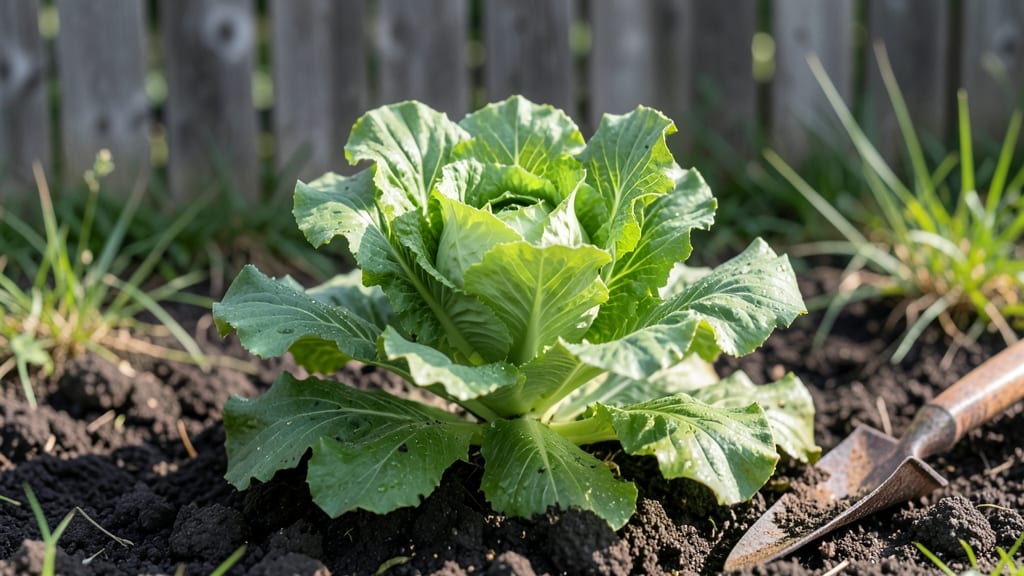
Planting seeds with the right number per hole is the difference between a thriving garden and a patch of stunted plants fighting for space.
Overcrowding seeds in planting holes can stunt growth and reduce yields—yet many gardeners accidentally plant too many or too few, leading to wasted resources or weak plants. 🌱
This isn’t just about following a rule; it’s about understanding how each plant grows. Tiny lettuce seeds need room to spread, while tomatoes thrive when given space to stretch their roots deep. The key? Knowing your plant type and adjusting spacing accordingly.
Below, I break down the exact number of seeds to plant per hole for common vegetables, herbs, and flowers—plus how to thin seedlings if you’ve already overcrowded your garden.
How many seeds to plant per hole by plant type: expert spacing rules
Getting the right number of seeds per hole makes all the difference between a thriving garden and wasted effort. Too few seeds mean sparse growth, while too many lead to competition for nutrients and stunted plants.
The key lies in understanding each plant's root system, growth habits, and mature size. For example, tomatoes need room to sprawl, while lettuce can handle closer spacing because it grows low to the ground.
Container gardens require even more precision since space is limited. In pots, you’ll often plant 1 seed per hole for larger plants like peppers or 2-3 seeds for fast growers like radishes, then thin them carefully.
The goal is to mimic the natural spacing these plants would have in the ground while working within your container’s boundaries.
Here’s the golden rule: small seeds (like carrots or parsley) can be planted 3-5 per hole because they’re easy to thin, while large seeds (like beans or sunflowers) usually get 1-2 per hole due to their size.
Always check the seed packet for specific instructions—manufacturers test these guidelines for optimal results.
| Plant Type | Seeds Per Hole | Spacing Between Holes (inches) | Mature Plant Size | Key Notes |
|---|---|---|---|---|
| Tomatoes (determinate) | 1-2 | 18-24 | 3-5 ft tall | Thin to strongest seedling; stake early |
| Lettuce (leaf varieties) | 3-5 | 6-12 | 6-12 in tall | Harvest outer leaves to encourage regrowth |
| Marigolds | 1 | 8-12 | 1-2 ft tall | Direct sow after frost; repels pests |
| Carrots | 1-2 | 2-3 | 6-12 in long | Plant in loose soil; thin to prevent forking |
| Basil | 1-2 | 12-18 | 1-2 ft tall | Pinch back flowers for bushier growth |
| Radishes | 2-3 | 2-3 | 6-12 in tall | Harvest quickly to avoid bolting |
For root vegetables like carrots or beets, planting 1-2 seeds per hole is ideal because their roots need space to expand. Crowding them leads to forked or stunted growth.
In contrast, leafy greens like lettuce or spinach can handle 3-5 seeds per hole because you’ll thin them to the strongest seedlings, ensuring only the healthiest plants remain.
Adjust your spacing based on whether you’re planting in the ground or containers. In-ground gardens offer more flexibility, while containers require tighter spacing.
For example, in a 5-gallon pot, you might fit 1 tomato plant or 4-6 lettuce plants instead of the 2-3 you’d plant in a larger in-ground bed. Always leave 1-2 inches of space between plants to prevent disease spread.
Herbs like basil or cilantro often need
Common mistakes that waste seeds (and how to fix them)
Even experienced gardeners sometimes make costly seed-planting errors that lead to wasted seeds, stunted growth, or poor yields. One of the most common mistakes is planting too many seeds in a single hole, which creates competition for nutrients and sunlight.
For example, I once planted 5 radish seeds per hole—only to end up with a dense, tangled mess instead of crisp, uniform harvests.
Another frequent error is ignoring the specific needs of different plant types. Root vegetables like carrots or beets need individual holes, while leafy greens can handle closer spacing.
Without proper spacing, you risk forked roots, poor air circulation, or disease spread—all of which can kill your plants before they even mature.
Packets list optimal spacing—deviating can lead to competition for nutrients.
⚠️ Warning: Carrots, beets, and onions need individual holes; planting multiple seeds per hole causes forking or stunted growth.
Radishes (30 days to harvest) smother slower growers like kale if spaced incorrectly.
Letting seedlings grow too close weakens plants; thin to the strongest seedling per hole.
⚠️ Warning: Plants like potatoes or squash release toxins when overcrowded, harming nearby crops.
To fix these mistakes, always follow seed packet instructions as a starting point. For example, tomatoes should get 1-2 seeds per hole spaced 18-24 inches apart, while lettuce can handle 3-5 seeds per hole with 6-12 inches between holes.
Use a small ruler or spacing tool to ensure accuracy—it’s easier than you think!
If you’ve already planted too closely, don’t panic. Thin seedlings early (when they’re 2-3 inches tall) to give remaining plants room to thrive. For root crops, gently pull weaker seedlings, leaving the healthiest one per hole.
For leafy greens, you can even harvest outer leaves to encourage bushier growth without thinning.
Remember, proper spacing isn’t just about avoiding mistakes—it’s about maximizing your garden’s potential. When plants have enough room, they grow stronger, produce more, and resist diseases better. Next time you’re planting, take a few extra minutes to measure and space your seeds correctly. Your future harvest will thank you!