
Plants
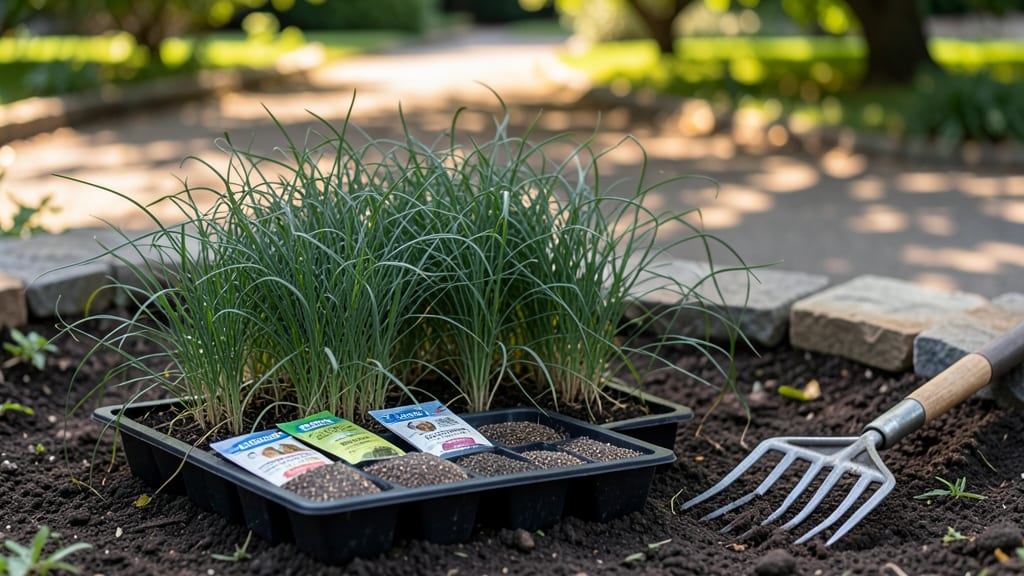
You can plant grass seed in spring when soil temperatures consistently reach 50–60°F (10–15°C), usually falling between mid-April and early June based on your USDA hardiness zone. Northern climates (Zones 3–5) should delay until late spring, while southern regions (Zones 7–10) can start earlier. Always verify frost dates and moisture levels before seeding.
Timing matters because grass seeds need warm soil to germinate properly—below 50°F (10°C), growth slows dramatically. 🌱 I recommend using a soil thermometer to confirm temperatures, especially in unpredictable spring weather.
For example, Zone 5 gardeners often wait until after the last frost (usually mid-May) to ensure seeds don't rot in cold, wet soil. The right timing also depends on your grass type: cool-season grasses like Kentucky bluegrass thrive in early spring, while warm-season varieties like Bermuda prefer late spring planting.
Don't forget to prep your lawn properly—loosen compacted soil and level the area before seeding. A light mulch of straw can help retain moisture while new grass establishes. Consistent watering (about 1/4 inch per week) is critical during the first few weeks after planting to encourage strong root development.
💡 In This Article
- Soil Temperature and USDA Zone Guidelines for Spring Grass Seed Planting
- Step-by-Step Spring Grass Seed Planting Checklist by Climate
Soil temperature and USDA Zone guidelines for spring grass seed planting
Grass seeds germinate best when soil temperatures are consistently between 50–60°F (10–15°C) because this range triggers the metabolic processes that break seed dormancy. Below 50°F (10°C), enzymes required for germination slow down, delaying sprouting by weeks.
The ideal temperature range activates the seed's stored energy reserves, allowing roots to penetrate the soil and shoots to emerge.
For example, Kentucky bluegrass seeds may take 14–21 days to germinate at 55°F (13°C), but this stretches to 28+ days at 45°F (7°C)—a critical difference for spring planting schedules. 🌱
USDA hardiness zones dictate regional planting windows because they correlate with average last frost dates and soil warming patterns. Northern zones (3–5) typically see soil reach 50°F (10°C) by late May, while southern zones (7–10) hit this threshold as early as mid-March.
For instance, in Zone 6 (Midwest), gardeners often wait until after Memorial Day to plant cool-season grasses, whereas in Zone 9 (California), seeding can begin in February.
A soil thermometer (placed 2 inches deep) is essential—temperatures fluctuate daily, and seeds need 3 consecutive days above 50°F (10°C) for reliable germination.
Frost risk complicates timing because even light frosts can damage tender seedlings. In Zones 3–5, where late frosts are common, planting too early (before May 15) risks seedling loss.
Warmer zones (7–10) face different challenges: drought stress becomes the primary concern if seeding occurs before consistent rainfall patterns establish. For example, in Zone 8 (Southeast), planting in March requires daily watering (1/4 inch) to prevent soil from drying out before germination completes. 💧
Regional microclimates add another layer of complexity. Coastal areas (like Pacific Northwest) may have slower soil warming due to ocean breezes, while inland valleys (like Central California) warm faster.
To account for this, I recommend checking local Almanac frost forecasts and using a seed germination calculator (available from seed suppliers) to estimate your specific window.
For instance, tall fescue seeds germinate best at 60–65°F (16–18°C), so Zone 4 gardeners should delay planting until late May to avoid cold-soil setbacks.
Soil type also influences optimal planting times. Clay soils warm 2–3 weeks later than sandy loams because they retain moisture longer, slowing temperature increases. In Zone 5, this means sandy soils may be ready by mid-April, while clay-heavy soils might not reach 50°F (10°C) until early June.
A simple test: press your finger 2 inches deep—if the soil feels cool to the touch, wait another week. This tactile check complements thermometer readings for a more accurate assessment. 🌡️
What most people overlook is how moisture levels interact with temperature. Seeds need consistent dampness (not soggy) to germinate, but cold, wet soil promotes fungal diseases like Pythium.
In Zones 4–6, I recommend waiting until soil temperatures are stable at 55°F (13°C) and the forecast shows 3+ days without rain before seeding. This balance ensures seeds germinate quickly rather than rotting in the ground.
For example, 2023's record wet spring in the Midwest caused many early plantings to fail due to waterlogged conditions—highlighting why patience pays off. ✨