
Plants
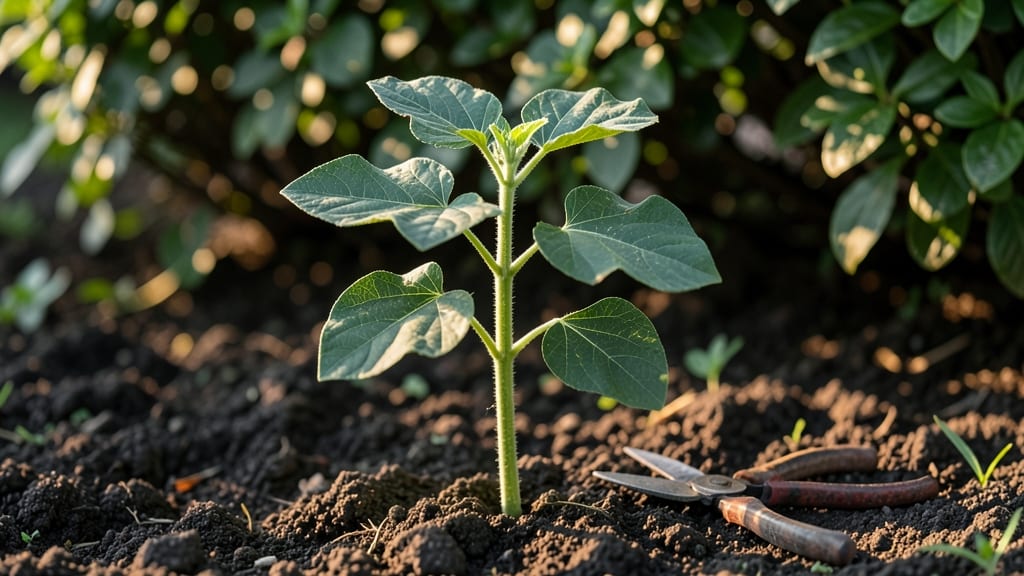
Okra seedlings start as tiny, round leaves that look like tiny maple leaves with a slightly fuzzy texture—nothing like the spiky pods they’ll become. 🌱 Within 10 days, you’ll spot 2-4 inches of bushy green stems with leaves arranged alternately, not in pairs like weeds.
The first true leaves are broad and slightly serrated, while the first "heart-shaped" cotyledons (seed leaves) fall off quickly. Confusing them with weeds is easy, but okra’s hairy stems and distinct leaf veins set them apart.
Healthy seedlings stand sturdy with vibrant green leaves, while weak ones look pale or leggy—signs they need more light. Pests like aphids hide under leaves, so check the undersides if growth stalls. By 3 weeks, seedlings should have 5-7 true leaves and a sturdy base.
If leaves yellow or curl, it’s often overwatering or fungus—space plants wider to improve airflow. The key is patience: okra grows fast once established, but those first weeks are critical. This guide covers every stage—from sprouts to bushy plants—so you’ll never mistake okra for a weed again.
Whether you’re starting seeds indoors or direct-sowing, these details help you spot the real deal early.
Root Causes Of Seedling Struggles
Understanding why okra seedlings may not match your expectations starts with examining the environmental and biological factors influencing their growth. Below, we break down the most common reasons—backed by science—so you can troubleshoot effectively.
Okra seeds require specific conditions to sprout correctly, and deviations can lead to weak or malformed seedlings. Here’s why:
- Temperature Fluctuations 🌡️ Okra thrives in warm soil (70–90°F / 21–32°C). If temperatures drop below 60°F (15°C), germination slows or halts entirely. Cold soil can cause seeds to sprout weak, leggy stems or fail to emerge at all.
- Moisture Imbalance 💧 Too little water = dry, shriveled seedlings that struggle to break through the soil. Too much water = rotten seeds or seedlings with blackened stems (a sign of fungal infection). Actionable fix: Keep soil consistently moist (not soggy) during germination.
- Improper Seed Depth 📏 Planting okra seeds too deep (1+ inch / 2.5+ cm) can starve seedlings of oxygen, leading to stunted growth or failed emergence. Ideal depth: ½ inch (1.25 cm)—just enough to cover the seed lightly.
Okra seedlings are hungry for nutrients early on, and deficiencies show up in their appearance:
- Nitrogen (N) Shortage 🌿 Symptoms: Pale yellow leaves (chlorosis) starting from the older leaves, slow growth, and weak stems. Why? Nitrogen fuels leafy growth. Without it, seedlings prioritize root development over shoots, making them look stunted and bushy but weak.
- Phosphorus (P) Deficit ⚡ Symptoms: Dark green, purple-tinged leaves, delayed germination, and small, slow-growing seedlings. Why? Phosphorus helps energy transfer in cells. A lack of it means seedlings struggle to convert food into growth, resulting in tiny, underdeveloped plants.
- Micronutrient Gaps (Zinc, Iron, Magnesium) 🔬 Symptoms: Yellowing between leaf veins (iron), stunted growth with crinkled leaves (zinc), or yellow patches on older leaves (magnesium). Why? These trace minerals act as catalysts for enzyme reactions.
Without them, seedlings can’t process nutrients efficiently, leading to distorted or slow growth.
Quick fix: Use a balanced fertilizer (10-10-10) at planting, or side-dress with compost after 2–3 weeks.
Okra seedlings crave sunlight and personal space—denying them leads to unhealthy growth patterns:
- Insufficient Light 🌑 Symptoms: Long, thin stems (etiolation), small, dark green leaves, and seedlings leaning toward light sources. Why? Without enough photosynthesis, seedlings stretch excessively to reach light, becoming weak and prone to falling over.
- Overcrowding 🏢 Symptoms: Seedlings growing toward each other, yellowing leaves, or stunted height. Why? Competition for water, nutrients, and light forces seedlings to compete aggressively, leading to malformed growth and increased disease risk from poor airflow.
Solution: Thin seedlings to 12–18 inches (30–45 cm) apart once they’re 4–6 inches tall (10–15 cm).
Even before seedlings emerge, hidden threats can sabotage their development:
- Seedling Blight (Fungal Infections) 🍄 Symptoms: Dark, water-soaked spots on cotyledons (first true leaves), yellowing leaves, and seedlings collapsing. Why? Fungi like Pythium or Rhizoctonia thrive in cool, wet conditions, attacking young seedlings before they can defend themselves.
- Cutworms or Slugs 🐌 Symptoms: Cleanly severed stems at soil level, holes in leaves, or slime trails near seedlings. Why? These pests target weak, newly sprouted plants, often decimating entire trays before you notice.
Prevention:
- Use row covers for early protection.
- Apply fungicide (copper-based) if blight is suspected.
- Handpick pests at dusk when slugs are active.
Not all okra seeds are created equal—and poor-quality seeds can lead to unexpected seedling traits:
- Old or Stored Improperly ⏳ Symptoms: Low germination rate, weak, slow-growing seedlings, or irregular leaf shapes. Why? Seeds lose viability over time, especially if stored in high humidity or extreme temperatures.
- Hybrid vs. Heirloom Traits 🌱✨ Symptoms: Bushy growth vs. tall vining (depending on variety), darker/lighter leaves, or different leaf textures. Why? Some okra varieties are bred for compact growth, while others are vining types.
If you expected one but got another, seedling appearance may vary drastically.
Fix: Always buy fresh seeds (from reputable suppliers) and check variety descriptions before planting.
Fixing Common Okra Seedling Issues
If your okra seedlings aren’t thriving, don’t panic—most problems have simple fixes. Below, we’ve mapped common issues to practical solutions, along with prevention tips to keep your seedlings strong and healthy.
Cause: Too much competition for nutrients, light, or space. Fix:
- Thin seedlings 🔪: Use clean scissors or your fingers to snip or gently pull out weaker seedlings, leaving only the strongest 12–18 inches apart.
- Repot if needed 🏺: If seedlings are overcrowded in trays, transplant them into individual pots with well-draining soil.
- Boost light exposure ☀️: Move seedlings to a sunnier spot (6+ hours of direct sunlight daily) or use a grow light.
Prevention:
- Start with proper spacing (1–2 seeds per pot, 12–18 inches apart in the ground).
- Use larger containers (5+ inches deep) if growing in pots.
Cause: Overwatering, underwatering, or nutrient deficiencies. Fix:
- Check soil moisture 💧: Stick your finger 1–2 inches deep—if dry, water deeply; if soggy, let it dry out.
- Adjust watering 🚰: Water at the base (not leaves) in the morning, and ensure pots have drainage holes.
- Fertilize lightly 🌿: Use a balanced, water-soluble fertilizer (10-10-10) diluted to half strength every 2–3 weeks.
Prevention:
- Use well-draining soil (mix potting soil with perlite or sand).
- Monitor weather ☔: Reduce watering during rainy seasons.
Cause: Aphids, spider mites, or fungal issues (like powdery mildew). Fix:
- Spray with neem oil 🌿: Mix 1 tsp neem oil + 1 tsp mild soap in 1 quart of water. Spray seedlings thoroughly (repeat every 5–7 days).
- Remove affected leaves 🗑️: Snip off yellowed or spotted leaves to prevent spread.
- Improve airflow 🌬️: Space plants wider apart or use a small fan (on low) to dry leaves faster.
Prevention:
- Rotate crops 🔄: Avoid planting okra in the same spot yearly.
- Inspect new plants 🔍: Quarantine new seedlings for 1–2 weeks before introducing them to others.
Cause: Poor soil, cold temperatures, or lack of nutrients. Fix:
- Warm the soil 🔥: Okra thrives in warm conditions (70–90°F). Use black plastic mulch or a heat mat if nights are chilly.
- Add compost 🌱: Mix in 2–3 inches of well-aged compost or worm castings before planting.
- Test soil pH 📊: Okra prefers slightly acidic to neutral soil (pH 6.0–6.8). Adjust with lime (to raise pH) or sulfur (to lower it).
Prevention:
- Start seeds indoors 🏠 (if in a short season) and transplant after the last frost.
- Use a slow-release fertilizer 💊 (like 14-14-14) at planting time.
- Harvest early ✂️: Pick okra pods at 3–4 inches long to encourage bushier growth.
- Mulch well 🌿: Apply 2–3 inches of straw or grass clippings to retain moisture and deter weeds.
- Watch for bolting 🌱: If seedlings flower too early, trim blooms to redirect energy to leafy growth.
With these fixes, your okra seedlings should perk up quickly! Remember, consistency is key—monitor them daily and adjust care as they grow. 🌟
Frequently asked questions
How can I tell if my okra seedling is healthy or diseased?
Healthy okra seedlings have vibrant green leaves with a hairy stem and alternate leaf arrangement. Look for 2-4 inches of growth in 2 weeks. Watch for red flags: yellowing leaves (nutrient deficiency), dark spots (fungus), or holes (pests). Check leaf undersides for tiny insects like aphids.
Why do my okra seedlings look leggy and stretched?
Leggy seedlings result from insufficient light—they stretch toward any available source. Move them to a sunny window (6+ hours of direct light) or use a grow light 12 inches above. If already outdoors, they may need thinning to reduce competition for light.
Can I transplant okra seedlings that are only 1-2 inches tall?
Yes, but wait until they have 2-3 true leaves (not just the first heart-shaped cotyledons). Handle seedlings gently by their leaves (never stems) and plant at the same depth they were growing. Water thoroughly after transplanting to reduce shock.
What should okra seedlings look like at 3 weeks old?
At 3 weeks, healthy okra seedlings should be 4-6 inches tall with 5-7 true leaves that are broad and slightly serrated. The stems should be sturdy and green, not pale or wilting. If they're smaller, they may need more light or nutrients.
How do I distinguish okra seedlings from weeds?
Okra seedlings have hairy stems and alternate leaves (one leaf per node), while most weeds have paired leaves or smooth stems. The first true leaves are broad and rounded, unlike the narrow leaves of common weeds like pigweed or lambsquarters.