
Propagation
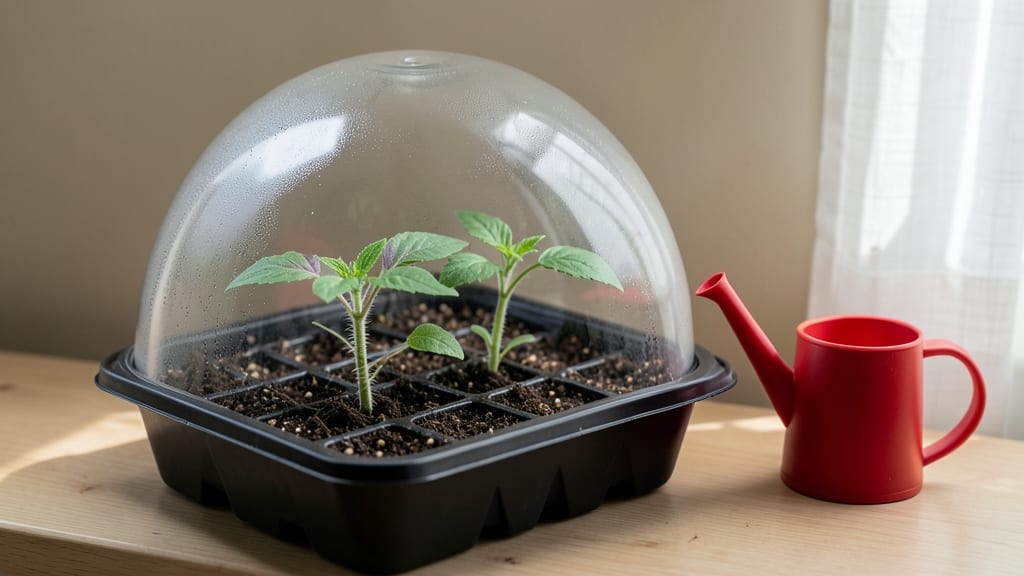
The moment your seedlings unfurl their first true leaves is the signal you’ve been waiting for—it’s time to transplant them for stronger roots. 🌱 I’ve learned the hard way that rushing or waiting too long can stunt growth, so timing matters more than you’d think.
Those tiny true leaves (not the first cotyledons) mean the plant is ready to stretch its roots into bigger soil.
Now’s when to give them a permanent home, whether that’s a larger container or the garden bed. Keep the soil moist but not soggy, and place them in bright, indirect light for the first week.
Most seedlings need about 2-3 inches of space between plants, but check your specific variety—some, like peppers, need more room to avoid competition. Watch for leggy growth (a sign of weak stems) or damping-off (a fungal warning), and adjust light or watering if needed.
📚 In This Guide
- What you need
- Instructions
- Tips and common mistakes
- Wrapping up and next steps
What you need
- ● Seedlings: 2–4 weeks old, with cotyledons (first leaves) but no true leaves yet (or just emerging). Quantity: Adjust based on your garden space!
- ● Seedling trays or pots: 2–3 inch (5–7.5 cm) deep with drainage holes. Quantity: 1 tray or 6–12 individual pots per batch.
- ● Well-draining potting mix: Lightweight, sterile blend (e.g., 50% peat/coir + 50% perlite or vermiculite). Quantity: Enough to fill containers to 1 inch below the rim.
- ● Transplanting tool: Small hand trowel or butter knife for gentle soil scooping.
- ● Misting bottle or spray nozzle: For hydrating roots without disturbing seedlings.
- ● Grow lights or sunny windowsill: 12–16 hours of light daily (LED or fluorescent bulbs work best).
- ● Rooting hormone: Powder or gel to boost root development (e.g., Mycorrhizal fungi or seaweed extract).
- ● Fertilizer: Diluted fish emulsion (5-5-5 NPK) or worm castings for post-transplant nourishment.
- ● Humidity dome or plastic wrap: To retain moisture while seedlings acclimate (remove after 3–5 days).
- ● Thermometer/hygrometer: To monitor ideal temps (65–75°F / 18–24°C) and humidity (50–70%).
- ● Labeling tags: To track seedling varieties and transplant dates.
When to transplant seedlings: recognizing the first true leaves
This is the moment that separates weak, stunted plants from thriving, bushy growth—here's how to spot it.
🌱 Step 1: Identify Cotyledons vs. True Leaves
The first leaves you see—those tiny, rounded ones—aren't true leaves. These are cotyledons, the plant's baby food leaves that only store nutrients. They're your signal that germination worked, but they don't mean the plant is ready for transplanting. True leaves look completely different: they'll be smaller versions of the mature plant's leaves (needle-like for pine trees, serrated for tomatoes, etc.).
I always wait until I see at least two sets of true leaves before touching the seedlings. If you transplant too soon, you'll disturb the delicate root system that's just starting to branch out. Here's the thing—those first true leaves appear when the seedling has used up its stored energy and is now photosynthesizing on its own. That's your green light.
☀️ Step 2: Assess Seedling Strength Before Moving
Strong seedlings have thick stems that don't wobble when you gently tug them. The leaves should be vibrant green, not yellow or purple-tinged. If your seedlings look leggy (stretched out with pale stems), they need more light before transplanting. I like to give them a week under stronger grow lights to beef up their stems before moving them outside.
Check the roots too—if you can see them through the bottom of the container or if they're circling, it's definitely time to transplant. Roots growing in circles will strangle themselves when planted in soil. Healthy roots should be white and spreading outward. This is the moment that matters: you're not just moving plants, you're giving them room to grow.
🪴 Step 3: Time Your Transplant with Weather and Growth Stage
Don't rush to transplant just because you see true leaves. Wait until nighttime temperatures stay above 50°F consistently. Cold soil shocks seedlings and stunts root growth. I always check the forecast and aim to transplant when we have a stretch of warm, cloudy days—less sun means less stress on the plants as they adjust.
For most vegetables, you'll want 4-6 weeks of growth from seed to transplant. Herbs like basil and parsley can handle transplanting slightly earlier (after 3-4 weeks), while tomatoes and peppers need that full 6 weeks to develop strong root systems. This timing ensures the seedlings have enough energy reserves to handle the transplant shock without setting them back.
✂️ Step 4: Transplant Using the Right Technique
Handle seedlings by their leaves, never the stems. The oils from your hands can damage delicate tissue. I like to water the seedlings thoroughly 24 hours before transplanting—this makes the roots more flexible and reduces transplant shock. Dig holes just as deep as the seedling's current container, then gently remove it by squeezing the sides of the pot.
Place the seedling in the hole and fill around it with soil, pressing lightly to remove air pockets. Water deeply right after transplanting to help settle the roots. Don't fertilize immediately—newly transplanted plants need time to establish their root systems before they can use nutrients effectively. This is where most gardeners go wrong: rushing to feed the plants instead of letting them focus on growing roots.
Tips & tricks for transplanting seedlings at the perfect growth stage
Here's what nobody tells you about transplanting seedlings—these tricks make all the difference between struggling plants and a thriving garden.
True Leaf Count Matters: In Step 1, when you're checking for true leaves, don't just count one! Aim for at least two sets of true leaves before transplanting. The first set signals the plant has started photosynthesis, but the second set means it's truly ready to handle the stress of transplanting. I've seen gardeners rush after just one set, only to have their seedlings wilt within days.
Root Health is Non-Negotiable: In Step 2, if you see roots circling the bottom of the container, that's your signal to transplant immediately. Roots that grow in circles will strangle themselves when planted in soil. I like to gently squeeze the sides of the container to loosen the root ball before removing seedlings—this helps prevent root damage during transplanting.
Weather Timing is Everything: Step 3 mentions waiting for nighttime temperatures above 50°F, but here's the thing: I always check for a stretch of warm, cloudy days. Bright sunshine after transplanting can stress seedlings, while gentle cloud cover gives them time to adjust. This is especially important for tomatoes and peppers, which need that full 6 weeks of growth to develop strong root systems.
Pre-Transplant Watering Works Wonders: The 24 hours of thorough watering before transplanting in Step 4 is a game-changer. I've found that seedlings watered this way handle the transplant shock much better. The extra moisture makes the roots more pliable, so they're less likely to break when you remove the seedling from its container. Plus, it gives you a chance to check for root health before planting.
Pro Tips for First Leaves On Seedlings
- Here's what nobody tells you about transplanting seedlings—these tricks make all the difference between struggling plants and a thriving garden.
- True Leaf Count Matters: In Step 1, when you're checking for true leaves, don't just count one!
- Root Health is Non-Negotiable: In Step 2, if you see roots circling the bottom of the container, that's your signal to transplant immediately.
Frequently asked questions
Got questions about those first precious leaves on your seedlings? You’re not alone! Here are answers to the most common concerns—so you can transplant with confidence and watch your plants thrive.
What do the first true leaves on seedlings look like?
The first leaves (cotyledons) are simple and often heart-shaped. True leaves—the ones you’re waiting for—are smaller, more complex (with veins or serrated edges), and resemble the mature plant’s foliage. For example, tomato seedlings’ true leaves are jagged, while basil’s are smooth and lobed.
How long after germination should I expect the first true leaves?
Timing varies by plant: fast growers (like radishes) sprout true leaves in 7–10 days, while slower ones (e.g., tomatoes) take 2–3 weeks. Check your seed packet for species-specific estimates. Pro tip: If leaves don’t appear within 3 weeks, gently check for moisture or rot.
Can I transplant seedlings too soon after the first true leaves appear?
Wait until seedlings have 2–4 true leaves and sturdy stems (about 2–3 inches tall). Transplanting too early stresses roots. Signs they’re ready: Firm stems, vibrant leaves, and no signs of legginess (weak, stretched stems). Harden off for 5–7 days before moving outdoors!
What if my seedlings only have cotyledons and no true leaves?
Don’t panic! Some plants (like beans) skip true leaves entirely. Others may need more light, warmth, or patience. If cotyledons yellow but no true leaves emerge, check for overwatering, poor soil, or weak germination. Adjust care and monitor closely.
Are there alternatives if my seedlings don’t develop true leaves?
If leaves fail to appear, try these fixes:
- Light: Move seedlings to a sunny window or under grow lights (12–16 hours/day).
- Heat: Use a seedling heat mat (70–75°F) for slow starters.
- Soil: Ensure well-draining, sterile mix (add perlite if compacted).
- Patience: Some seeds (e.g., peppers) take 4+ weeks for true leaves.
If all else fails, reseed—some plants are just finicky!
Wrapping up and next steps
Watching those first leaves unfurl on your seedlings is a thrilling sign of success! The moment they appear is your cue to act—transplanting at the right time strengthens roots, boosts growth, and sets your plants up for a lush, thriving future. 🌱✨
Now that you’re armed with the when, why, and how, it’s time to roll up your sleeves and give your seedlings the care they deserve. Start small—even a single seedling can make a big impact. Happy growing!
- Next step: Pick a sunny day, gather your tools, and transplant with confidence!