
Propagation
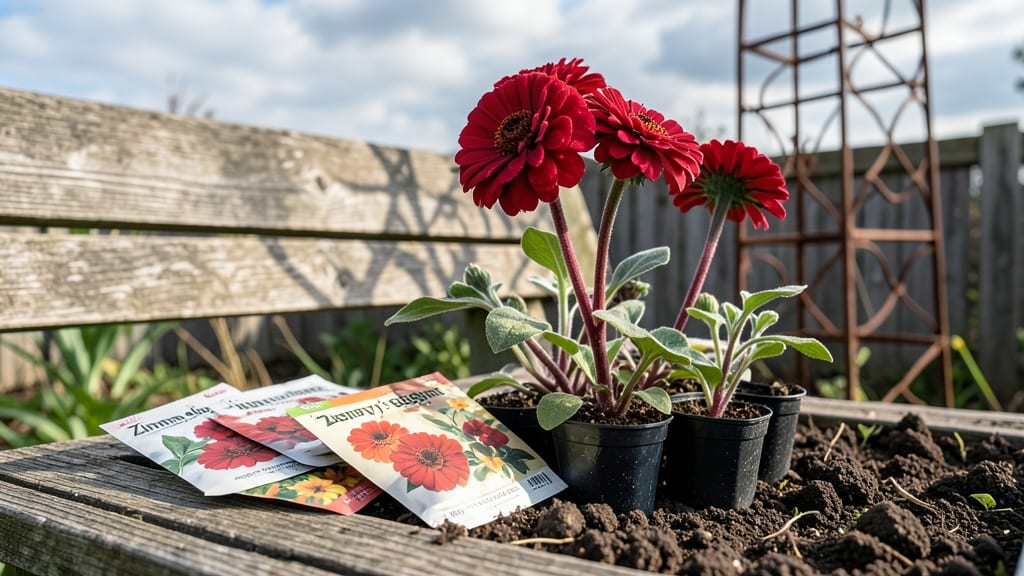
Unusual zinnia seeds hold the secret to garden drama—think velvety black centers, double-petaled ruffles, or sunset-hued blooms that make neighbors do double takes. 🌻 I’ve grown everything from classic ‘Benary’s Giant’ to rare ‘Envy’ zinnias with their deep burgundy petals, and the difference isn’t just in the color—it’s in the confidence that comes from growing something truly unique.
These heirloom varieties often outperform hybrids in heat and drought once established, making them the unsung heroes of summer gardens.
The trick to unlocking their potential starts with cold-stressing seeds—a simple process that mimics winter’s chill to harden roots before spring planting. I’ve seen seeds that might otherwise struggle in hot summers produce stockier plants with twice the blooms when pre-chilled for 7–10 days.
You’ll need a basic seed-starting tray, a zip-top bag, and a fridge (no fancy equipment). The payoff? Zinnias that rebloom nonstop from early summer until frost, even in zones where regular zinnias fade by August.
By mid-July, your garden will be a riot of unexpected textures and colors—zinnias with quilled petals, picotee edges, or mahogany centers that look like they belong in a painter’s palette.
The key is deadheading spent blooms religiously (I set a timer on my phone to remind me every 3 days) and giving them full sun with afternoon shade in scorching climates. Even my black-thumb friends have nailed this method, and the results are nothing short of show-stopping.
These varieties thrive in raised beds, containers, or directly in garden soil, so space isn’t an issue. For cut flowers, harvest stems in the early morning when buds are just opening—they last 10–14 days in a vase, longer than most grocery store blooms.
The best part? You’re not just growing flowers; you’re preserving heirloom genetics that commercial seed companies have phased out. Let’s get those unusual zinnias growing!
📚 In This Guide
- What you need
- Instructions
- Tips and common mistakes
- Wrapping up and next steps
What you need
- ● Unusual zinnia seeds: Choose heirloom, hybrid, or cold-hardened varieties (e.g., Zinnia elegans ‘Benary’s Giant’ or ‘Crystal’). Quantity: 10–50 seeds (adjust based on desired plant count).
- ● Seed-starting trays or pots: 2–4" deep with drainage holes. Quantity: 1 tray (12–24 cells) or 6–12 small pots.
- ● Seed-starting mix: Lightweight, sterile blend (e.g., 50% peat moss, 30% perlite, 20% vermiculite). Quantity: 2–3 quarts.
- ● Grow lights or sunny windowsill: Full-spectrum LED or fluorescent lights (12–16 hrs/day) or a south-facing window with 6+ hours of sunlight.
- ● Misting bottle or spray nozzle: For gentle watering (avoid soaking seeds).
- ● Plastic wrap or humidity dome: To retain moisture during germination.
- ○ Heat mat (optional but recommended): 70–75°F (21–24°C) for faster germination.
- ● Fertilizer: Balanced liquid fertilizer (e.g., 10-10-10) or fish emulsion (diluted to half-strength).
- ● Transplanting tools: Small hand trowel, tweezers, and biodegradable pots (if hardening off).
- ● Refrigerator or cold frame: For 7–10 days of vernalization (chilling seeds at 35–40°F (2–4°C) in a damp paper towel).
- ● Thermometer: To monitor cold temps accurately.
- ● Patience! Cold-stressing slows initial growth but yields hardier, more vibrant flowers later.
- ● pH test kit (ideal soil pH: 6.0–7.0 for zinnias).
- ● Epsom salt (1 tsp/gallon of water) for magnesium boost during transplanting.
- ● Label markers or plant tags (to track varieties!).
- ● Garden journal (note cold-stress durations and bloom differences!).
How to grow unusual zinnia varieties using cold-stress techniques
Here's how to coax extraordinary zinnia blooms by mimicking nature's cold-hardening process.
🌱 Step 1: Select and Prepare Your Unusual Zinnia Seeds
Choose heirloom or hybrid zinnia varieties with striking colors or unique forms like 'Benary's Giant,' 'Crystal,' or 'Profusion.' Unlike common zinnias, these often respond better to cold-stressing. I like to soak seeds in a lukewarm water bath for 12 hours before planting—this softens the hard seed coat and speeds germination. Place seeds between damp paper towels in a sealed container overnight.
Watch for the seed coats to split slightly—this means they're ready for planting. If your seeds are tiny, I recommend mixing them with fine sand before sowing to prevent overcrowding. The goal is even spacing so each plant gets proper airflow and sunlight later.
❄️ Step 2: Cold-Stress the Seeds for Stronger Roots
After soaking, transfer the seeds to a refrigerator for 7-10 days in a sealed container with moist paper towels. This mimics winter conditions and triggers deeper root growth. I place the container on the middle shelf where temperatures stay 38-42°F—consistent but not freezing.
Check moisture daily—seeds shouldn't dry out. You'll see nothing dramatic yet, but this period builds resilience. Real talk: Skipping this step often results in leggy, weak stems that flop under heavy blooms later. Patience here pays off with sturdier plants.
☀️ Step 3: Plant in Well-Draining Soil Under Gentle Light
After cold-stressing, sow seeds ¼ inch deep in a sterile seed-starting mix (never garden soil—it's too dense). I use 4-inch pots for each seed to prevent root competition. Keep the soil surface slightly moist but not soggy—overwatering here causes damping-off before seeds even sprout.
Place pots under grow lights set to 12-14 hours daily at 65-70°F. Avoid direct sunlight until sprouts appear—this prevents desiccation. You'll see first true leaves in 7-14 days, but unusual varieties sometimes take longer. Watch for dark green, sturdy cotyledons—these signal healthy development.
🌿 Step 4: Harden Off and Transplant for Bold Blooms
Two weeks before your last frost date, move seedlings outdoors to a shaded, sheltered spot for 1-2 hours the first day. Gradually increase exposure over 10-14 days, ending with full sun. Cold-stressed zinnias handle temperature swings better than typical varieties—this is the secret to their bold blooms.
Transplant after soil warms to 55°F and nighttime temps stay above 45°F. Space plants 12-18 inches apart in full sun (6+ hours daily). Here's where it gets fun: Pinch back the first set of true leaves to encourage bushier growth. You'll see multiple stems forming within weeks, each capable of supporting heavy blooms.
✂️ Step 5: Maintain for Continuous Color Displays
Deadhead spent blooms regularly to encourage new flowers. Unlike common zinnias, unusual varieties often produce longer stems—support them with bamboo stakes if needed. Water at the base deeply once weekly (unless rain occurs), ensuring top 2 inches of soil stay dry between waterings. Overhead watering spreads disease in dense foliage.
Fertilize lightly with a balanced 10-10-10 formula every 4-6 weeks during the growing season. Too much nitrogen results in leafy growth at the expense of blooms. You'll know you're doing it right when your zinnias produce bold, vibrant blooms from early summer through fall—often longer than standard varieties.
Tips & tricks for perfect cold-stressed zinnia blooms
These game-changing techniques will help you coax extraordinary color and resilience from your unusual zinnia varieties.
Soaking Secret: The 12-hour lukewarm water soak isn't just about softening seed coats—it's also your chance to test germination readiness. If your seeds are particularly hard, you might notice some splitting after just 8 hours. That's your cue to plant them immediately rather than waiting the full 12 hours. Just be sure to keep the water temperature between 70-75°F for optimal enzyme activation.
Cold-Stress Precision: That 7-10 day refrigerator period is where the magic happens, but consistency is key. I've found placing the container on the middle shelf at exactly 38-42°F gives the most reliable results. Use a small refrigerator thermometer if yours varies—some fridges can fluctuate by 10°F or more between shelves! This cold exposure actually triggers deeper root systems that support those bold blooms later.
Lighting Strategy: The 12-14 hours of grow light exposure at 65-70°F is crucial for preventing leggy seedlings. I recommend using full-spectrum LED grow lights positioned just 4-6 inches above the seedlings. If you notice them stretching toward the light or developing pale yellow leaves, they need either more light intensity or slightly closer positioning. This is especially important for unusual varieties that often have slower growth rates.
Transplant Timing: Waiting until soil warms to 55°F and nighttime temps stay above 45°F is non-negotiable for cold-stressed zinnias. I've learned this the hard way—planting too early can shock the delicate root systems we've worked so hard to develop. Use a soil thermometer to verify temperatures, and consider using row covers for the first week after transplanting to protect against any unexpected chilly nights.
Pro Tips for Unusual Zinnia Seeds
- These game-changing techniques will help you coax extraordinary color and resilience from your unusual zinnia varieties.
- Soaking Secret: The 12-hour lukewarm water soak isn't just about softening seed coats—it's also your chance to test germination readiness.
- Cold-Stress Precision: That 7-10 day refrigerator period is where the magic happens, but consistency is key.
Frequently asked questions
Got questions about growing unusual zinnia seeds? You’re not alone! Here are some of the most common queries—plus straightforward answers to help you succeed.
How long does it take for unusual zinnia seeds to germinate?
Most unusual zinnia seeds sprout within 7–14 days under ideal conditions (warm soil, 70–75°F, and consistent moisture). Cold-stressed varieties may take slightly longer—up to 21 days. Keep soil damp (not soggy) and avoid moving seedlings until sprouts appear. Patience pays off!
Can I grow unusual zinnias from seeds indoors, or should I start them outside?
Indoor starts work great if you begin 6–8 weeks before your last frost. Use seed trays with drainage, keep soil warm, and provide bright light (or grow lights). Once seedlings have 2–3 true leaves, transplant them outdoors after nighttime temps stay above 50°F. Hardening off for 7–10 days boosts survival rates!
Why aren’t my unusual zinnia seeds sprouting? Troubleshooting tips?
Check these common culprits:
- Cold soil: Zinnias need warmth to germinate. Use a heat mat or wait for soil to reach at least 60°F.
- Old seeds: Unusual varieties may lose viability after 2–3 years. Test a few seeds in damp paper towels to confirm viability.
- Poor moisture: Keep soil evenly moist but avoid waterlogging. A spray bottle works well for delicate seeds.
- Light needs: Some varieties need light to germinate. Press seeds lightly into soil (¼ inch deep) but don’t bury them too deep.
Are there any unusual zinnia varieties that don’t require cold-stressing?
While cold-stressing enhances hardiness and vigor, some unusual zinnias like ‘Benary’s Giant’ or ‘Crystal’ tolerate regular growing conditions. For bold colors and unique forms (e.g., double blooms or striped petals), try ‘Profusion’ or ‘Zahara’ series—they’re cold-stress-friendly but still stunning without it!
Can I save seeds from unusual zinnias for next year?
Let some blooms fade naturally on the plant and form seed heads. Once the heads turn brown and dry (usually 4–6 weeks after flowering), snip them off, dry the seeds, and store them in a cool, dark place. Label varieties to avoid mix-ups—saved seeds may not be identical to the parent plant but often retain color and form!
Wrapping up and next steps
Exploring unusual zinnia seeds through cold-stressed propagation isn’t just a gardening trick—it’s your ticket to vibrant, hardy blooms that stand out in any garden! 🌸 By mastering this technique, you’re not only expanding your floral palette but also gaining a deeper connection to nature’s resilience.
Ready to put your newfound knowledge to work?
🌱 Your Next Step: Experiment & Share!
Start small—try a few unusual zinnia varieties with cold-stressed roots, and don’t forget to document your progress. Once you see those bold blooms thrive, share your success (or even your homemade cold-stress setup) with fellow gardeners!
Who knows? You might inspire the next big trend in zinnia growing. Happy planting! 🌿