
Planting
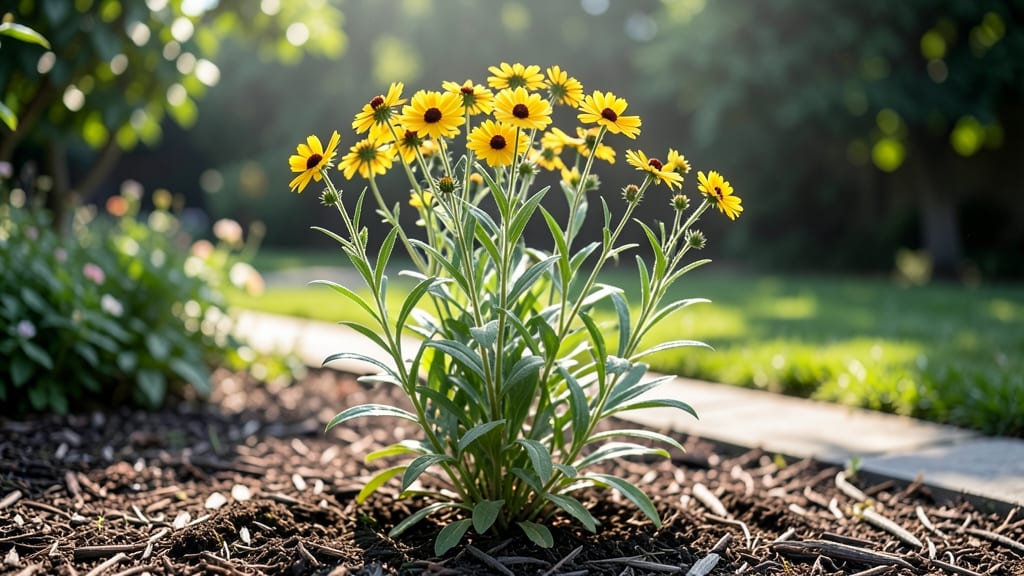
The tickseed plant care turns my sunniest spots into nonstop color factories—cheerful yellows, oranges, and pinks from early summer straight through fall. 🌻 The best part? They thrive on neglect, making them perfect for busy gardeners who still want bold, reliable blooms without the fuss of constant care.
Start with well-draining soil—they hate soggy roots—and plant in full sun (at least 6 hours daily). Water only when the top inch feels dry; their drought tolerance means you’ll rarely need to touch them after the first season.
A light spring pruning keeps them bushy, and deadheading spent blooms extends the show.
You’ll end up with clusters of daisy-like flowers that attract pollinators and last longer than most annuals. The plants grow 1-3 feet tall, depending on the variety, and spread gently over time—ideal for borders, containers, or wildflower gardens. Even my black thumb can’t kill these.
Watch for powdery mildew in humid climates (space plants for airflow) and spider mites if drought-stressed. A weekly misting in summer keeps them happy, but otherwise, they’re basically self-sufficient. Perfect for low-maintenance gardeners who want high-impact results with almost no effort.
📚 In This Guide
- What you need
- Instructions
- Tips and common mistakes
- Wrapping up and next steps
What you need
- ● Tickseed seeds or seedlings: Choose from varieties like Coreopsis verticillata (threadleaf) or Coreopsis grandiflora (largeflower). Buy 3-5 seeds for a small patch or 10+ seeds for a fuller display.
- ● Well-draining potting mix: A blend of 50% garden soil, 30% perlite or sand, and 20% compost works perfectly. For containers, use 1 gallon of mix per plant.
- ● Containers or garden bed: For pots: Use 5-7 inch diameter containers with drainage holes.
- ● For garden beds: Ensure 6+ hours of sunlight daily and loose, well-drained soil.
- ● Watering can or hose with a gentle nozzle: Tickseeds hate soggy roots—opt for 1 inch of water per week (adjust for rain).
- ● Hand trowel – For transplanting seedlings or mixing soil.
- ● Pruning shears – To trim dead blooms and encourage new growth.
- ○ Mulch (optional) – 2-3 inches of shredded bark or straw to retain moisture and suppress weeds.
- ● Fertilizer (balanced, 10-10-10) – Apply once in early spring if your soil is nutrient-poor.
- ● Plant labels – To track varieties and care notes!
How to cultivate lush, long-lasting tickseed plants
Tickseed (Coreopsis) thrives with surprisingly little effort—once you nail light, soil, and spacing.
🌱 Step 1: Select the Right Location and Prepare Soil
Tickseed adores full sun—at least 6-8 hours daily—and tolerates poor soil better than most perennials. I always choose a spot with well-draining soil (amend heavy clay with 2-3 inches of compost if needed) and avoid low-lying areas where water pools. The key is dry, rocky, or sandy soil—tickseed despises soggy roots.
Loosen the soil to a depth of 12 inches with a garden fork, breaking up any compacted layers. Mix in a balanced 10-10-10 fertilizer at planting time to jumpstart growth. If your soil tests acidic, add ground limestone to raise the pH to 6.0-7.0—tickseed performs best in neutral to slightly alkaline conditions.
☀️ Step 2: Plant at the Correct Depth and Spacing
For bare-root plants, dig holes twice as wide as the root ball but only as deep—the top of the root ball should sit flush with the soil surface. Press the surrounding soil firmly to eliminate air pockets, then water deeply to settle everything. Container-grown plants can go in a bit deeper, but never bury the crown more than ½ inch—this invites rot.
Space plants 12-18 inches apart for single-stem varieties and 18-24 inches apart for bushier cultivars. Crowding leads to leggy stems and fewer blooms. Here’s the thing—tickseed self-seeds aggressively, so if you love it, let some seeds drop and thin volunteers in spring. They’ll fill in gaps naturally.
💧 Step 3: Water Deeply but Infrequently
Once established, tickseed is drought-tolerant, but young plants need consistent moisture for the first 2-3 weeks after planting. Water deeply 1-2 times per week until the soil 4 inches down feels moist—stick your finger in to check. Overwatering is the fastest way to kill tickseed; let the top 2 inches of soil dry out between waterings once roots are settled.
Mulch with 2-3 inches of gravel or coarse bark to suppress weeds and retain soil moisture without smothering roots. Organic mulches like wood chips break down too quickly and can compact, while inorganic mulches stay in place and improve drainage—perfect for tickseed’s rocky soil preferences.
✂️ Step 4: Prune for Continuous Blooms and Shape
Deadhead spent blooms every 2-3 weeks to encourage nonstop flowering through late summer. I snip stems just above a set of healthy leaves with clean, sharp pruners—this prevents disease and stimulates new growth. For a bushier plant, cut back one-third of the oldest stems in early spring before new growth appears.
If your tickseed gets leggy, prune back by half in mid-summer. The plant will rebloom vigorously, often producing a second flush of flowers by early fall. Avoid heavy pruning in fall—this perennial needs its foliage to photosynthesize and store energy for winter.
⏰ Step 5: Overwinter with Minimal Effort
Tickseed is hardy to USDA zones 3-9, so winter care is minimal. In colder zones, mulch with 4-6 inches of straw or leaves after the first hard freeze to insulate roots. In zones 8-9, no protection is needed—tickseed handles mild winters like a champ. Come spring, remove old mulch and fertilize lightly with 5-10-10 once new growth appears.
Watch for leaf spot in humid summers—remove affected foliage immediately and space plants for better airflow. If you live in a rainy climate, avoid overhead watering to prevent fungal issues. With proper care, your tickseed will return year after year, spreading and brightening your garden with cheerful yellow, pink, or red blooms from early summer to frost.
Tips & tricks for perfect tickseed plant cultivation
These game-changing insights will help you turn your tickseed into a garden superstar with minimal effort—and maximum impact.
Sunlight Strategy: While tickseed thrives with 6-8 hours of sun daily, I've noticed it actually performs even better with morning sun exposure (6-8 hours) followed by afternoon shade in hot climates. This prevents leaf scorch while maintaining vibrant blooms. If your plants start looking stressed in peak afternoon heat, consider providing light afternoon shade during summer months—especially in zones 8-9 where temperatures regularly exceed 90°F.
Soil Science: The instructions mention amending heavy clay with 2-3 inches of compost, but here's the thing—tickseed actually benefits from coarse sand or perlite mixed into the soil (about 20% by volume) to improve drainage. This mimics its natural rocky habitat and prevents root rot. For containers, use a mix of 60% potting soil, 30% perlite, and 10% compost for perfect drainage. The key is creating that well-draining environment tickseed craves.
Pruning Precision: When deadheading every 2-3 weeks, I've found using clean, sharp pruners makes all the difference. Dull tools crush stems and invite disease. Make cuts at a 45-degree angle just above a leaf node—this encourages new growth while preventing water from pooling on the cut surface. For bushier plants, I recommend cutting back one-third of the oldest stems in early spring before new growth appears, rather than waiting until mid-summer when the plant may already be stressed from heat.
Winter Prep: That 4-6 inches of mulch in colder zones is perfect, but here's what nobody tells you—tickseed actually benefits from removing mulch in late winter (around early March) to allow soil to warm up. This jumpstarts spring growth. Just be sure to replace it after the last frost when nighttime temperatures consistently stay above freezing. The mulch then serves its purpose of insulating roots during any unexpected late frosts.
Pro Tips for Tickseed Plant Care
- These game-changing insights will help you turn your tickseed into a garden superstar with minimal effort—and maximum impact.
- Sunlight Strategy: While tickseed thrives with 6-8 hours of sun daily, I've noticed it actually performs even better with morning sun exposure (6-8 hours) followed by afternoon shade in hot climates.
- This mimics its natural rocky habitat and prevents root rot.
Frequently asked questions
How often should I water my tickseed plant?
Water your tickseed plant when the top 1–2 inches of soil feel dry. These drought-tolerant beauties prefer underwatering over soggy roots—aim for about once a week in warm, dry climates, but reduce frequency in cooler weather or humid areas. Mulching helps retain moisture without overdoing it!
When is the best time to plant tickseed?
Spring or early fall is ideal for planting tickseed! These hardy annuals (or perennials in warm zones) hate extreme heat when transplanting. If starting from seed, sow directly in the garden 4–6 weeks before your last frost date. For potted plants, wait until nighttime temps stay above 50°F (10°C).
Why are my tickseed leaves turning yellow?
Yellowing leaves usually signal overwatering or poor drainage. Let the soil dry out completely between waterings, and ensure pots have drainage holes. If yellowing spreads to stems, check for powdery mildew—improve airflow and avoid wetting foliage. Pro tip: Deadhead spent blooms to encourage fresh growth!
Can tickseed grow in containers, and what’s the best pot size?
Tickseed thrives in containers as long as the pot is at least 12 inches wide and deep. Use well-draining soil and repot every 2–3 years to refresh nutrients. For trailing varieties, opt for hanging baskets—just ensure they get 6+ hours of sunlight daily.
Are tickseed plants deer- or rabbit-resistant?
Good news: Tickseed is deer- and rabbit-resistant thanks to its milky sap and slightly bitter taste. However, hungry critters might nibble if other food sources are scarce. Protect young seedlings with a light mesh or companion plant them with mints or marigolds to deter pests naturally.
Wrapping up and next steps
Caring for a tickseed plant is a breeze—just a splash of sunlight, well-draining soil, and a little patience to unlock year-round beauty with minimal fuss! 🌿 Whether you’re a seasoned gardener or a beginner, this hardy plant rewards you with vibrant blooms and lush foliage while asking for very little in return.
Ready to watch your garden thrive?
Your next step? Pick your favorite variety—like the classic Coreopsis verticillata or the bold Coreopsis grandiflora—and get planting! With these tips in hand, you’re all set to enjoy a garden that’s as easy to maintain as it is stunning. Happy growing! 🌸