
Propagation
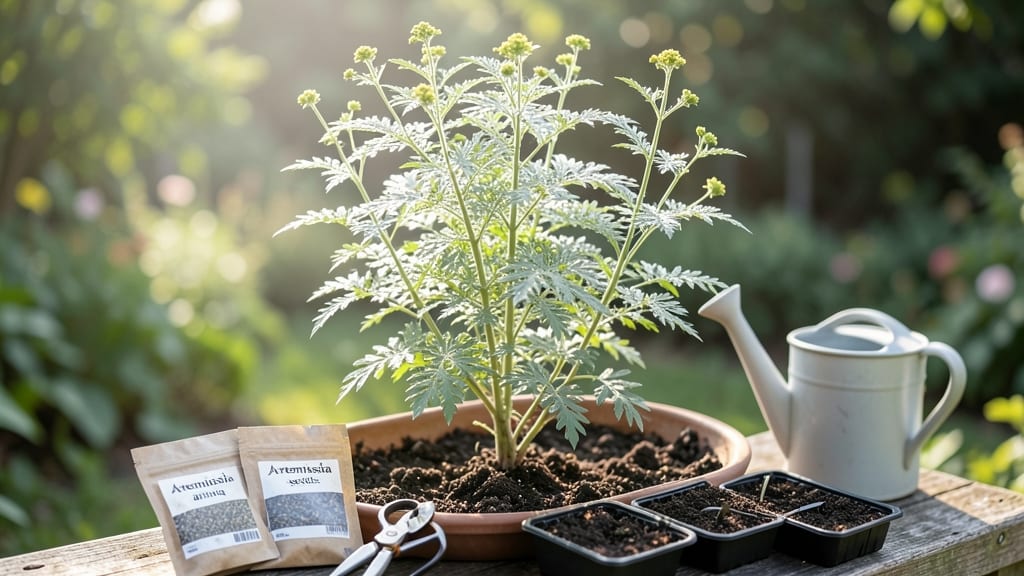
Sweet wormwood seeds need a cold trick to wake up—stratification turns stubborn seeds into fast-growing seedlings. 🌱 I learned this the hard way after months of waiting for nothing, but now my plants pop up in 10-14 days instead of never.
The secret? A simple freezer step that mimics winter's natural signal. You'll need just three things: seeds, a damp paper towel, and your fridge. No fancy equipment, no complicated setups—just patience and a little science.
This herb thrives on neglect once it starts, but getting those first sprouts right makes all the difference. Once germinated, you'll have bushy, aromatic plants ready for transplant in 4-6 weeks. The leaves stay fragrant and silvery, perfect for teas, pest control, or medicinal uses.
The trick? Keep soil lightly moist but never soggy—overwatering kills these tough little plants faster than anything. Works indoors or out, in containers or garden beds. Here's how to do it without losing a single seed to the "maybe next year" pile.
📚 In This Guide
- What you need
- Instructions
- Tips and common mistakes
- Wrapping up and next steps
What you need
- ● Sweet wormwood seeds – 1 packet (approx. 50-100 seeds) (ensure they’re fresh for best germination rates!)
- ● Seed-starting trays or small pots – 4-6 inch diameter (biodegradable pots work great too!)
- ● High-quality seed-starting mix – lightweight, well-draining (avoid garden soil—it’s too dense!)
- ● Clear plastic dome or plastic wrap – For humidity retention (a ziplock bag in a pinch!)
- ● Spray bottle – Fine mist setting (gentle watering is key!)
- ● Grow lights or sunny windowsill – 6-8 hours of light daily (sweet wormwood loves brightness!)
- ● Heating mat – 70-75°F range (speeds up germination—sweet wormwood loves warmth!)
- ● pH meter or test kit – Ideal soil pH: 6.0-7.0 (slightly acidic to neutral)
- ● Fertilizer (balanced, water-soluble) – Diluted to half-strength (once seedlings sprout)
- ● Tweezers or small spoon – For delicate seed handling (prevents damage!)
- ● Notebook or app – To track germination progress (fun and useful!)
How to germinate sweet wormwood seeds for fast, bushy growth
Here's the method I've used to get sweet wormwood seedlings popping in days instead of weeks.
🌱 Step 1: Pre-Treat Seeds for Faster Germination
Sweet wormwood seeds have a tough outer coating that slows germination. I soak them in lukewarm water for 12-24 hours to soften that shell. Place them in a small bowl or jar with enough water to cover them completely. You'll see them plump up noticeably after just a few hours—that's your signal the treatment is working.
After soaking, drain the water and let the seeds air-dry on a paper towel for 30 minutes. This prevents them from rotting when planted. I like to lay them out on a clean kitchen towel while I prepare the pots—it's a great time to check their readiness by gently pressing one between your fingers. If it feels slightly soft but still holds shape, it's ready to plant.
💧 Step 2: Plant in Warm, Moist Soil
Use a lightweight seed-starting mix (never garden soil) and fill your containers to 1 inch below the rim. Moisten the mix until it feels like a damp sponge—squeeze a handful and it should hold together but not drip water. I like to work the mix with my fingers to create small pockets where seeds will nestle comfortably.
Plant the pre-treated seeds ¼ inch deep, spacing them ½ inch apart in rows. Two seeds per cell works well if you're using small containers, but I've found sweet wormwood germinates so reliably that one seed per spot is usually plenty. Gently press the soil around them to ensure good contact without compacting too tightly.
☀️ Step 3: Create a Warm, Humid Environment
Sweet wormwood seeds germinate best in 75-80°F soil. I use a seedling heat mat set to 80°F for the first 5-7 days—this is the secret to fast germination. Without heat, you might wait 2-3 weeks to see sprouts. Cover the containers with clear plastic wrap or a humidity dome to trap moisture and warmth.
Check daily for condensation on the plastic. If it's heavy, lift the cover for 10 minutes to prevent mold. You'll see the first tiny green shoots in just 3-5 days—sometimes even sooner. That's when you remove the cover completely and move the seedlings to a sunny windowsill or under grow lights.
🌿 Step 4: Thin and Transplant for Bushy Growth
Once seedlings reach 2 inches tall with 2-3 true leaves, thin them to the strongest plant per cell. Use small scissors to snip weak seedlings at soil level—this prevents disturbing the roots of the plants you're keeping. I've found sweet wormwood responds beautifully to this early thinning, producing bushier plants that fill out faster.
When seedlings have 4-5 leaves (about 3-4 weeks after germination), transplant them into 3-4 inch pots with fresh potting mix. Handle them gently by the leaves, never the stems. After transplanting, water lightly and place them in bright, indirect light for a week to help them recover.
⏰ Step 5: Maintain Fast Growth Through Pruning
Sweet wormwood grows quickly but can get leggy if light is insufficient. I pinch back the growing tips when plants reach 6 inches tall to encourage bushier growth. Use clean scissors to cut just above a set of leaves where new growth will emerge. You'll see new side shoots form within 7-10 days—that's your reward for this simple trick.
Continue pinching throughout the growing season whenever stems exceed 6-8 inches. This keeps plants compact and encourages the dense, aromatic foliage that sweet wormwood is prized for. Water when the top inch of soil feels dry, and always water at the base to prevent fungal issues on the leaves.
Tips & tricks for fast sweet wormwood germination
Here's what nobody tells you about speeding up those stubborn sweet wormwood seeds.
Soaking Test: After the 12-24 hour soak, test one seed by pressing it between your fingers—it should feel noticeably softer than before. If it's still firm, extend the soak another 6-12 hours. This simple check prevents over-soaking which can cause seeds to rot before planting. I've learned this the hard way after ruining three batches!
Heat Hack: The 80°F heat mat is non-negotiable for speed—without it, germination can stretch to 2-3 weeks. If you don't have a heat mat, place containers on top of your fridge (the motor creates gentle warmth) or use a warm spot near your kitchen lights. Just monitor soil temperature with your finger—it should feel warm like a cozy bath, not hot like a sauna.
Transplant Timing: When moving seedlings to 3-4 inch pots at the 3-4 week mark, don't rush! Wait until you see at least 4-5 leaves with the third leaf pair fully developed. This ensures roots are strong enough to handle the transition. I've seen seedlings collapse after transplanting too soon—it's heartbreaking but avoidable.
Pruning Precision: For that 7-10 day regrowth after pinching at 6 inches, make your cuts just above a leaf node where new growth emerges. Avoid cutting at stem joints or you'll stunt future growth. I use clean scissors dipped in rubbing alcohol between cuts to prevent spreading any potential plant diseases.
Pro Tips for Sweet Wormwood Seeds
- Here's what nobody tells you about speeding up those stubborn sweet wormwood seeds.
- Soaking Test: After the 12-24 hour soak, test one seed by pressing it between your fingers—it should feel noticeably softer than before.
- Heat Hack: The 80°F heat mat is non-negotiable for speed—without it, germination can stretch to 2-3 weeks.
Frequently asked questions
Got questions about growing sweet wormwood from seeds? You’re not alone! Here are some of the most common queries—and their answers—to help you get started on the right foot.
How long does it take for sweet wormwood seeds to germinate?
Sweet wormwood seeds are notoriously slow to sprout, often taking 14–30 days (or even longer!) under ideal conditions. Patience is key—keep the soil consistently moist and warm (around 70–75°F) to encourage germination. A heat mat can speed things up if you’re eager to see those first green shoots!
Can I grow sweet wormwood from seeds indoors before transplanting?
Start seeds indoors 6–8 weeks before your last frost date for a head start. Use small pots or seed trays with well-draining soil, and place them in a sunny window or under grow lights. Just be prepared for the long wait—transplant seedlings outdoors after the soil has warmed up to avoid stunted growth.
What’s the best soil mix for sweet wormwood seeds?
Sweet wormwood thrives in light, sandy, and well-draining soil. Mix equal parts potting soil, perlite, and sand (or coconut coir) to prevent waterlogging. Avoid heavy clay soils, which can suffocate seeds and lead to rot. A slightly acidic to neutral pH (6.0–7.0) works best. Pro tip: Sterilize your mix to avoid fungal issues!
Why aren’t my sweet wormwood seeds sprouting? Troubleshooting tips.
If your seeds refuse to germinate, check these common culprits:
- Temperature: Too cold? Use a heat mat (aim for 70–75°F).
- Moisture: Keep soil damp (not soggy)—seeds need consistent hydration.
- Light: Seeds germinate in the dark, but seedlings need light afterward.
- Seed viability: Sweet wormwood seeds can lose potency over time. Try fresh seeds or soak them in warm water for 24 hours to soften the hard outer shell.
Are there faster alternatives to growing sweet wormwood from seeds?
If you’re craving sweet wormwood fast, consider these shortcuts:
- Division: Split mature plants in spring for instant growth.
- Cuttings: Root semi-hardwood cuttings in water or soil (best in early summer).
- Buy transplants: Check local nurseries or online seed sellers for young plants.
Just remember: Seed-grown plants often develop stronger root systems and better disease resistance over time!
Wrapping up and next steps
Sweet wormwood seeds may seem tricky, but with the right germination tricks—like scarification, warm stratification, and a cozy humidity setup—you’re well on your way to nurturing a lush, bushy plant in no time! 🌱 Whether you’re growing for culinary, medicinal, or ornamental purposes, patience and consistency are your best allies.
Ready to harvest your rewards? Start small with a few seeds, experiment with the methods that work best for your space, and soon you’ll be enjoying the vibrant, aromatic benefits of sweet wormwood in your garden or kitchen.
🌿 Next Steps:
- Monitor progress—keep an eye on your seedlings and adjust humidity/temperature as needed.
- Transplant carefully once they’ve sprouted 2-3 true leaves.
- Share your success! Tag us in your garden updates or ask questions in the comments.