
Planting
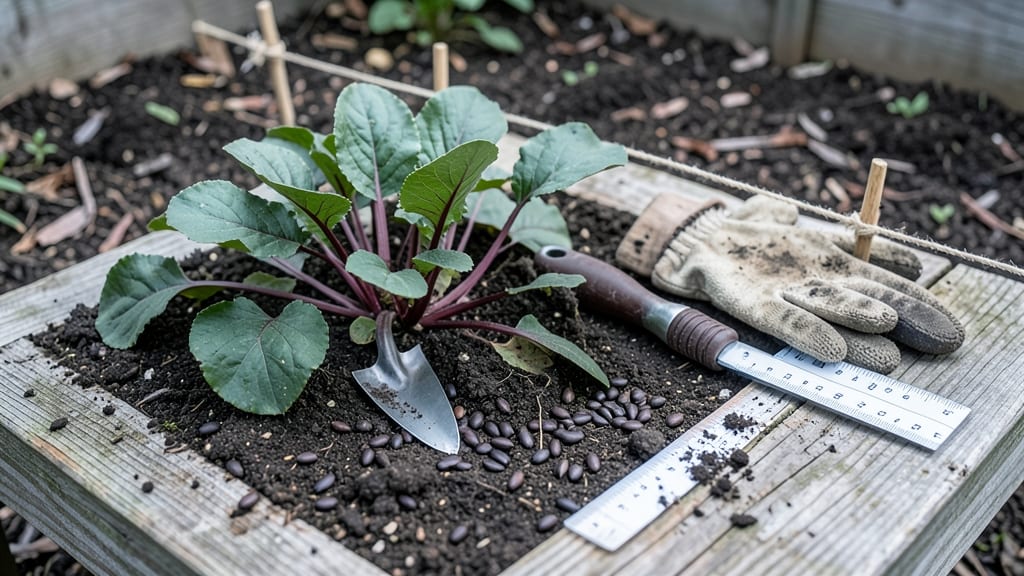
Perfect beet seed spacing turns scraggly roots into bushy, uniform harvests—and the secret is in those first few inches. 🌱 I’ve learned the hard way that cramming seeds too close leads to stunted growth, while spacing them just right gives you plump, sweet beets that rival the store-bought (but taste 10x better).
The magic number? 1–2 inches apart for individual plants, with 12–18 inches between rows—that’s all you need to avoid competition for nutrients.
Start with loose, well-drained soil—beets hate soggy roots—and mix in a handful of compost to give them a nutrient boost. Plant seeds ½ inch deep (they’re tiny, so don’t overthink it), then water gently to settle the soil without washing them away.
Thin seedlings to your spacing targets once they’re 2–3 inches tall, snipping at soil level to avoid disturbing roots. This might sound tedious, but trust me: overcrowding is the #1 reason beets turn small and woody.
By midseason, you’ll see vibrant green tops and the promise of earthy, tender roots just below the surface. Beets thrive in cool weather, so aim for 50–85°F—plant in early spring or late summer for two harvests.
With the right spacing, you’ll pull consistently sized beets (no more "jackpot" or "midget" surprises) and enjoy a harvest that lasts weeks longer than crowded plants.
Pro tip: Mark your rows with stakes or string to avoid guessing—especially if you’re new to spacing. And if you’re short on room? Try succession planting every 2 weeks for a steady supply.
The key is patience: beets take 50–70 days to mature, but the payoff is worth every inch of careful planning.
📚 In This Guide
- What you need
- Instructions
- Tips and common mistakes
- Wrapping up and next steps
What you need
- ● Beet seeds: Choose certified organic or heirloom varieties (e.g., Detroit Dark Red, Golden Beets). Aim for 1–2 oz per 100 sq ft (about 300–600 seeds).
- ● Planting container or garden bed: For containers: 12–18" deep pots with drainage holes (1–2 seeds per pot).
- ● For in-ground planting: Loose, well-draining soil enriched with compost (minimum 1–2 inches deep).
- ● Compost or organic fertilizer: 2–3 cups per 10 sq ft (balanced NPK, e.g., 5-5-5).
- ● Watering can or hose with a gentle spray nozzle: For consistent moisture without disturbing seeds.
- ● Row marker or string: To guide 12–18" spacing between rows (or 3–4" between seeds in rows).
- ○ Hand trowel or transplanting tool: For creating precise furrows (optional but helpful!).
- ● Seed starter kit: If sowing indoors (e.g., biodegradable pots for transplanting).
- ● Mulch (straw or shredded leaves): To retain moisture and suppress weeds.
- ● Plant labels: Mark varieties and planting dates (especially useful for mixed gardens).
- ● Glove: Protects hands from soil and thorns (if handling mature beets).
How to space beet seeds for maximum yield and disease resistance
Perfect spacing is the secret to preventing crowded, misshapen roots and boosting your harvest.
🌱 Step 1: Prepare the Soil for Even Germination
Work the soil to a depth of 6 inches using a garden fork or tiller, breaking up any compacted layers. Beets thrive in loose, well-draining soil with a pH between 6.0 and 7.0. I like to mix in 2 inches of compost per square foot to improve fertility and moisture retention without compacting the soil.
Rake the surface smooth to create a fine seedbed. Press down lightly with the back of a rake to eliminate air pockets—this ensures consistent contact between seeds and soil. If your soil is sandy, add a thin layer of mulch afterward to help retain moisture during germination.
🌱 Step 2: Sow Seeds at the Correct Depth and Spacing
Scatter beet seeds in rows spaced 12 inches apart—this gives roots room to expand without competing. Since beet seeds are actually seed balls (each containing 2-3 seeds), space them 1 inch apart within the row. Press them ½ inch deep into the soil; deeper planting slows germination while shallower sowing risks drying out the seeds.
I tap the seed packet gently against my palm to release seeds one at a time—planting too many in a cluster leads to weak, forked roots. After sowing, lightly cover with soil and mist the area until the surface looks uniformly damp, not soaked. Overwatering here can wash seeds deeper than intended.
🌿 Step 3: Thin Seedlings to Optimal Spacing for Full-Grown Beets
When seedlings develop first true leaves (about 3-4 weeks after sowing), thin them to 3-4 inches apart in the row. This spacing prevents overcrowding, which causes beets to grow small and misshapen. Use sharp scissors or your fingers to snip seedlings at soil level—pulling risks disturbing nearby roots.
I always thin on a cloudy day to reduce transplant shock. Leave the strongest, most vibrant seedlings, discarding the weaker ones. If you're growing baby beets, you can harvest thinned seedlings as microgreens—just pull them carefully by the leaves to avoid damaging roots.
✂️ Step 4: Maintain Spacing Through Harvest to Prevent Disease
As beets mature, monitor their growth and thin again if needed to maintain 4-inch spacing between plants. Crowded beets develop powdery mildew or leaf spot due to poor airflow. I space rows 18 inches apart in the final layout to allow for easy weeding and harvesting without disturbing neighboring plants.
When harvesting, grasp beets firmly at the base and twist gently to lift them from the soil. Leave 1 inch of the stem attached to prevent bleeding—this keeps the root intact. If you notice any yellowing leaves or stunted growth, check spacing immediately; beets need room to breathe.
💧 Step 5: Adjust Watering to Support Proper Spacing Benefits
Water beets 1 inch per week, ensuring the soil stays consistently moist but not soggy. Deep, infrequent watering encourages strong root development. I water in the early morning to allow foliage to dry before evening, reducing fungal risks. Mulch around plants helps maintain even moisture and suppresses weeds that compete for nutrients.
If your soil dries out too quickly, reduce spacing slightly to 2-3 inches—beets will still perform well, though yields may be slightly smaller. Always prioritize airflow over density; healthy leaves mean healthy roots, and that’s where the harvest quality lives.
Tips & tricks for perfect beet seed spacing
Here's what nobody tells you about planting beets—these tricks will transform your harvest from scraggly to show-stopping.
Soil Prep Secret: In Step 1, don't just loosen the soil—test its moisture first. Stick your finger 2 inches deep; if it feels drier than a desert, add a sprinkle of water before planting. Beets need consistent moisture to germinate, and sandy soils dry out faster than you'd think. After amending with compost, press the soil gently but firmly—think "pillow-soft," not powdery. This creates that perfect seedbed contact that makes all the difference.
Seed Placement Precision: When sowing in Step 2, resist the urge to eyeball spacing. Use a simple ruler or string with knots tied at 1-inch intervals to mark your rows. Beet seeds are notorious for producing multiple sprouts per seed ball, so that 1-inch spacing within rows is your insurance against forked, ugly roots. Pro tip: Plant in staggered rows (like brickwork) to maximize space efficiency while still giving each plant room to breathe.
Thinning Strategy: In Step 3, timing is everything for thinning. Wait until those first true leaves appear—this means the seedlings have developed enough to handle the shock. Use sharp scissors (not your fingers) to snip at soil level, and do it on a cloudy day when temperatures are cooler. The shock of sudden sunlight on a hot day can stress seedlings, making them more susceptible to disease. Save the thinnings for microgreens—they're packed with nutrients and perfect for salads.
Disease Prevention: Step 4 isn't just about spacing—it's about airflow. That 18-inch row spacing isn't arbitrary; it creates a microclimate where air circulates freely, preventing fungal spores from settling. If you notice yellowing leaves, don't panic—it's often a sign of poor spacing rather than disease. Simply widen the gaps between plants immediately, and you'll see new growth within days. Healthy leaves equal healthy roots, and that's where the sweet, satisfying harvest lives.
Pro Tips for Beet Seed Spacing
- Here's what nobody tells you about planting beets—these tricks will transform your harvest from scraggly to show-stopping.
- Soil Prep Secret: In Step 1, don't just loosen the soil—test its moisture first.
- Seed Placement Precision: When sowing in Step 2, resist the urge to eyeball spacing.
Frequently asked questions
about beet seed spacing—because every gardener deserves a thriving harvest! Here’s what you’ve been wondering:What’s the ideal distance between beet seeds?
For bush beets, space seeds 1–2 inches apart in rows 12–18 inches apart. For long, tapered beets, thin seedlings to 3–4 inches apart once they sprout. Crowding leads to small, misshapen roots—no one wants that!
When should I thin my beet seedlings?
Thin seedlings when they’re 2–3 inches tall (about 3–4 weeks after planting). Use scissors or your fingers to snip at soil level—avoid pulling to prevent disturbing roots. Pro tip: Snip on a cloudy day to reduce stress on remaining plants.
Can I plant beets too close together?
Yes! Overcrowding causes competition for nutrients, leading to small, woody, or forked beets. If you’ve already planted densely, thin immediately or harvest early (they’ll be tiny but edible). Prevention: Follow spacing guidelines to avoid this headache.
Does beet seed spacing change in hot climates?
In hot, dry areas, increase spacing to 4–6 inches to reduce moisture competition. Mulch rows with straw to retain soil dampness. Beets thrive in cool weather (50–80°F), so plant in spring or fall in warm zones for best results.
What if I don’t have enough space—can I interplant?
Beets are great interplant companions. Pair them with lettuce, radishes, or onions (they share space well). Avoid planting near pole beans or sunflowers, which can shade beets. Rotate crops yearly to prevent disease.
| Quick Fixes for Common Issues |
|---|
| Problem: Beets bolting (going to seed early) |
| Solution: Plant in cool weather or use shade cloth. Avoid over-fertilizing with nitrogen—it speeds up flowering. |
| Problem: Yellowing leaves |
| Solution: Check for overwatering (beets hate soggy soil) or nutrient deficiency (add compost). Yellowing at the base? It’s normal as they mature. |
Wrapping up and next steps
Perfect beet seed spacing is your secret weapon for bountiful, healthy harvests—whether you're growing for vibrant salads, hearty soups, or pickling! 🌱 By following the right spacing (1–2 inches apart in rows 12–18 inches apart), you’ll avoid competition, boost root development, and enjoy plump, sweet beets all season long.
Now that you’re armed with the know-how, roll up your sleeves and plant with confidence! Start small in a sunny patch, keep soil moist, and watch those greens and roots thrive. Ready for the next step? Try companion planting with lettuce or radishes to maximize your garden’s potential! 🌿