
Lawn
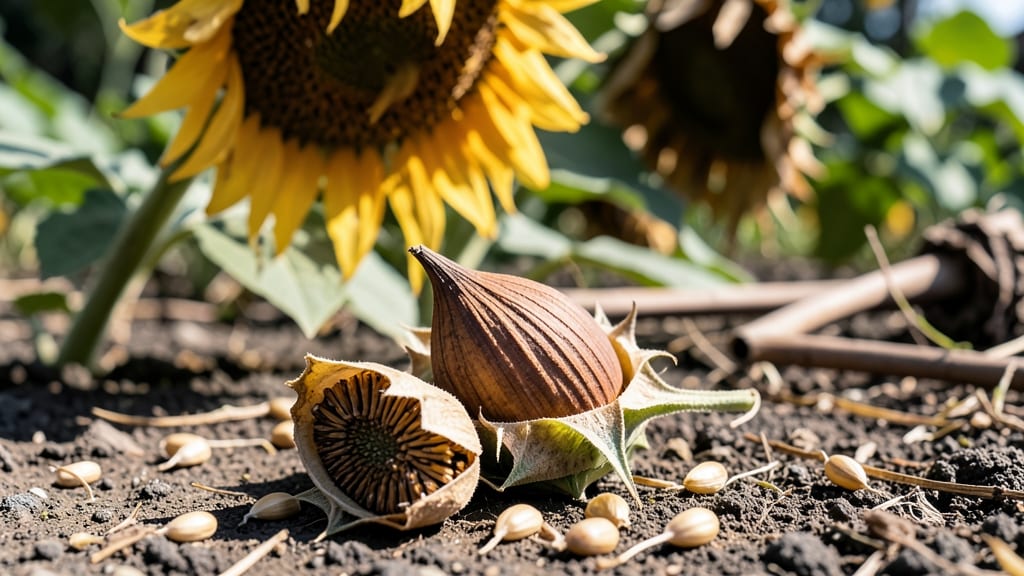
Extracting the sunflower seed inside its shell can feel like solving a puzzle—until you learn the trick. 🌻 The key lies in letting the pods dry completely, then gently twisting them apart with your fingers.
I’ve cracked dozens this way, and the seeds inside are always ready for planting without a struggle.
Start by selecting fully mature pods—those that turn brown and feel dry to the touch. Place them in a warm, dry spot for a week to ensure they’re completely dehydrated.
Once ready, twist the base of the pod until it splits open, revealing the seed still wrapped in its papery husk. This method works best for large, sturdy varieties like Mammoth or Russian Giant.
Before planting, check for viability by placing a few seeds in a glass of water—good seeds sink while hollow ones float. For faster germination, soak seeds overnight in warm water, then let them dry slightly before pressing them 1 inch deep into loose, well-drained soil.
Sunflowers thrive in full sun and need consistent moisture until established.
Common mistakes include planting seeds too deep or in cold soil, which delays germination. If you’re growing in cooler climates, wait until the soil reaches 55°F before sowing. With the right prep, you’ll see sprouts in 7-14 days, and those towering stems will soon follow.
📚 In This Guide
- What you need
- Instructions
- Tips and common mistakes
- Wrapping up and next steps
What you need
- ● Sunflower seeds: Choose open-pollinated varieties like 'Russian Mammoth' or 'Autumn Beauty' (50–100 seeds, depending on desired yield). Opt for heirloom seeds for natural pod-opening traits.
- ● Well-draining soil: A mix of 60% topsoil, 30% compost, and 10% perlite/sand (2–3 cubic feet per plant). Sunflowers thrive in pH 6.0–7.5.
- ● Garden space or containers: For in-ground planting: 12–18 inches of spacing between seeds, 24–36 inches between rows.
- ● For containers: 5-gallon pots or larger (at least 12 inches deep) with drainage holes.
- ● Watering can or hose: With a gentle spray nozzle to avoid disturbing seedlings.
- ○ Fertilizer (optional but recommended): Balanced 10-10-10 fertilizer (1 tbsp per plant at planting) or compost tea for organic growth.
- ● Phosphorus-rich fertilizer (e.g., bone meal, 1 tbsp per plant when flowers emerge) to encourage strong pods.
- ● Garden trowel or transplanting tool (for planting seeds 1–2 inches deep).
- ● Pruning shears (for trimming dead foliage or adjusting plant structure if needed).
- ○ Gloves (optional but helpful for handling prickly stems or soil).
- ● Sunlight access: Full sun (6–8 hours daily)—sunflowers are not shade-tolerant!
- ● Patience: Sunflowers take 80–120 days to mature, depending on the variety.
- ● Trellis or stake: For tall varieties (e.g., 'Mammoth'), use a 6-foot stake to support stems and prevent lodging.
- ● Bird netting: If squirrels or birds are a problem, cover flowers with lightweight netting during pollination.
- ● Garden journal: To track planting dates, watering schedules, and pod development.
- ● Seed-saving kit: For preserving seeds from your best pods (include paper bags and labels).
How to grow sunflowers that open naturally without twisting
Here's the method I use to grow sunflowers with pods that pop open cleanly—no twisting, no mess.
🌱 Step 1: Choose the Right Variety and Plant in Well-Draining Soil
Start with a non-hybrid, open-pollinated variety like 'Russian Giant' or 'Mammoth'—these develop sturdy stems that resist twisting. Plant seeds in loose, well-draining soil mixed with compost (I use the 1 gallon of compost from my list) to ensure roots get oxygen and nutrients without compacting.
Dig holes 1 inch deep, spacing them 12-18 inches apart—crowding causes stems to compete and twist under their own weight. Gently press soil around each seed to secure it, then water lightly. The key here is even moisture without soggy soil—sunflower roots hate sitting wet.
☀️ Step 2: Provide Full Sun and Consistent Watering
Sunflowers need at least 6-8 hours of full sun daily—no compromise here. If your garden gets partial shade, pick a south-facing spot where they’ll get the most light possible. I’ve seen pods twist when plants don’t get enough sun early on, so don’t skimp on placement.
Water deeply 2-3 times per week once seedlings sprout, aiming for 1-2 inches of moisture per week. Let the top 2 inches of soil dry out between waterings—this prevents weak stems that can’t support heavy pods. Mulch with 2 inches of straw (using the 1 bag from your supplies) to keep soil moist and cool.
🪴 Step 3: Support Stems Early to Prevent Twisting
When plants reach 12-18 inches tall, tie them to sturdy stakes or cages (using the 4 bamboo stakes you’ve got) with soft twine or old fabric strips. I avoid wire—it can cut into stems as they thicken. Secure the tie loosely so stems can grow without restriction, but tight enough to prevent swaying in wind.
Check ties every 2 weeks—stems thicken fast, and tight bindings can girdle them, causing stress that leads to twisting. If you see a stem leaning, gently guide it upright without bending—sunflowers are strong but not flexible.
✂️ Step 4: Prune for Airflow and Pod Development
When buds form, remove any side branches below the main flower head using clean pruners. These suck energy from the pod development, and crowded growth leads to uneven drying and twisting. I snip just above a leaf node where new growth can emerge if needed.
Leave 2-3 strong side branches if they’re well-spaced—they’ll develop smaller pods, but the main head stays the priority. Deadhead spent blooms (those that wilt completely) to redirect energy to the remaining pods. This keeps the plant focused on one or two primary pods that open cleanly.
💧 Step 5: Dry Pods Properly for Natural Opening
Once pods turn brown and dry, stop watering entirely—this signals the plant to finish maturing seeds. Let them stay on the stem until they pop open on their own, which usually takes 2-4 weeks after browning. If rain is forecast, move pods indoors to a dry, shaded spot to prevent premature cracking.
Here’s the trick: don’t harvest until pods split naturally. If you cut them too soon, seeds won’t dry evenly, and the pod may twist as it tries to open. I wait until at least 50% of the pod has split before handling them—this ensures seeds are fully mature and ready to store.
Tips & tricks for perfect sunflower pods that open naturally
Here's what I've learned after growing sunflowers for years—these simple tricks will help you avoid twisting and get pods that pop open beautifully.
Variety Matters: The open-pollinated varieties like 'Russian Giant' or 'Mammoth' are specifically bred for sturdy stems that resist twisting. I've tried hybrid varieties before, and they often develop weak stems that can't support heavy pods. Stick with these proven varieties to avoid frustration.
Sunlight Strategy: Those 6-8 hours of full sun are non-negotiable, but here's the secret: position your plants with their backs to the prevailing wind. This prevents constant swaying that weakens stems. I always plant mine with north-facing backs in my garden zone to maximize stability.
Support System: When you're tying up those 12-18 inch tall stems, use soft fabric strips instead of wire—they won't cut into the thickening stems as they grow. I've had plants twist dramatically because wire bindings became too tight as the stems thickened. Check those ties every 2 weeks to adjust as needed.
Pruning Precision: In Step 4, when you're removing side branches, make your cuts just above a leaf node. This creates a natural growth point that can develop into a new branch if needed. I've seen plants develop gnarled growth when cuts were made too close to the main stem, which creates weak points that can lead to twisting.
Pro Tips for Sunflower Seed Inside
- Here's what I've learned after growing sunflowers for years—these simple tricks will help you avoid twisting and get pods that pop open beautifully.
- Variety Matters: The open-pollinated varieties like 'Russian Giant' or 'Mammoth' are specifically bred for sturdy stems that resist twisting.
- Sunlight Strategy: Those 6-8 hours of full sun are non-negotiable, but here's the secret: position your plants with their backs to the prevailing wind.
Frequently asked questions
Got questions about sunflower seed pods that pop open naturally? You’re not alone! Here are some of the most common queries—and their easy answers—to help you grow twist-free sunflowers with confidence.
Why do some sunflower pods twist while others pop open naturally?
Sunflower pods twist due to uneven drying or genetic traits in certain varieties. Twist-free pods (like ‘Russian Mammoth’ or ‘Autumn Beauty’) are bred to split cleanly when fully mature. Overwatering or humidity can also cause twisting—let pods dry completely on the stalk before harvesting!
How do I know when sunflower pods are ready to pop open?
Look for these signs: the back of the pod turns brownish-yellow, the seeds rattle when shaken, and the petals fall off. If you harvest too early, pods may not split; too late, and seeds could scatter. Aim for a crispy, dry texture—like a paper bag!
Can I grow twist-free sunflowers in containers?
Choose dwarf varieties like ‘Teddy Bear’ or ‘Moulin Rouge’ (3–5 feet tall). Use a 5-gallon pot with drainage, fill with well-draining soil, and place in full sun. Containers dry faster, so monitor moisture—underwatering can stress pods and reduce natural popping.
What should I do if my sunflower pods stay closed?
Try these fixes:
- Dry them further: Hang pods upside-down in a warm, dry spot (like a garage) for 1–2 weeks.
- Gently crack them: Place pods in a paper bag and shake lightly to loosen seeds.
- Check humidity: High moisture can seal pods—use a dehumidifier if needed.
Are twist-free sunflower seeds edible if the pod doesn’t pop?
Yes! Even if the pod doesn’t split naturally, the seeds inside are still safe to eat. Remove them by hand, shell them, and roast for a tasty snack. Just avoid moldy or discolored seeds—discard those to stay safe.
Wrapping up and next steps
Discovering the sunflower seed inside a twist-free pod is like unlocking nature’s secret—no fuss, just pure, effortless beauty! These pods remind us that sometimes the best things come naturally, with minimal effort and maximum reward.
Whether you’re growing them for their stunning blooms or crunchy seeds, embracing this low-maintenance approach makes gardening feel like a joyful breeze.
Ready to try it yourself? Grab your supplies, follow the simple steps, and let these twist-free pods do the work for you. Soon, you’ll be harvesting seeds with ease—and maybe even sharing the magic with fellow gardeners! 🌻✨