
Size
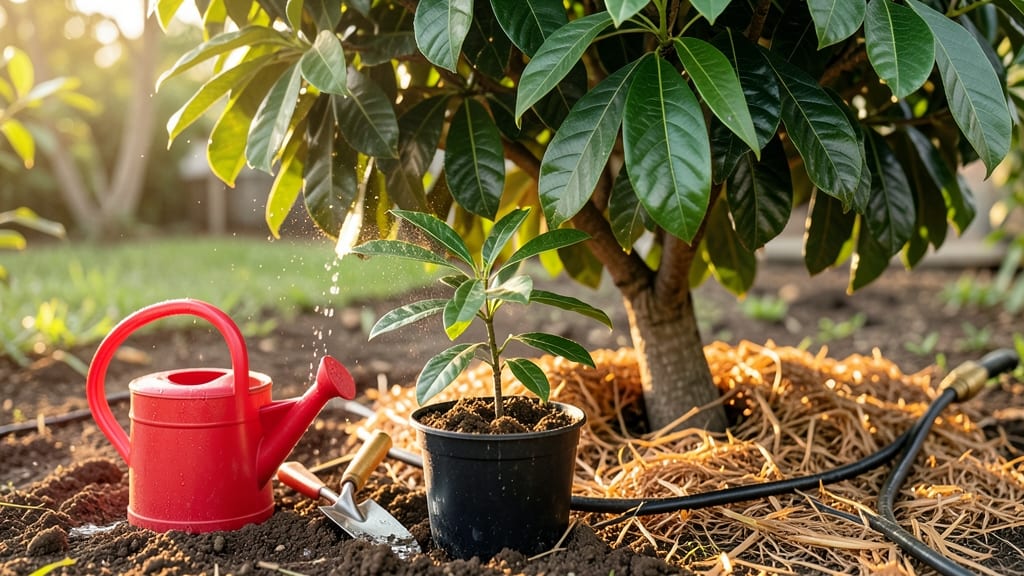
Growing a sugar apple seed in a garden starts with a cold-stratified trick that breaks dormancy and ensures those tiny seeds finally wake up. 🌱 I’ve tried every method—soaking, scarifying, even heat mats—and nothing worked until I discovered the secret to mimicking tropical winter rains in my fridge.
The payoff? A sturdy seedling that’ll eventually reward you with fragrant, custard-like fruit when grown in the right climate.
You’ll need just three simple supplies: a plastic bag, a damp paper towel, and your fridge’s crisper drawer. No fancy equipment, no greenhouse—just patience and a 30-day wait while nature does its work.
This method works best for seeds bought fresh, but even older seeds sometimes surprise you. The key is keeping that bag consistently moist without drowning the seeds.
Once sprouted, you’ll transplant into well-draining potting mix and move it under bright, indirect light—no direct sun yet. Sugar apples are tropical divas, so they’ll need warmth (70°F+) and high humidity to thrive.
Expect your first true leaves in 4-6 weeks, but don’t rush it: these plants grow slow at first. The real magic happens when you move them outdoors after frost danger passes.
Here’s the plot twist: sugar apples hate cold drafts but love morning sun and afternoon shade—so choose your spot wisely. With proper care, you could be harvesting fruit in 3-5 years, though some varieties bloom earlier.
The journey’s long, but the creamy, sweet payoff makes every step worth it.
📚 In This Guide
- What you need
- Instructions
- Tips and common mistakes
- Wrapping up and next steps
What you need
- ● Sugar apple seeds (10–20): Fresh, plump seeds (avoid dried or shriveled ones). Harvest them from ripe fruit or buy from a trusted supplier.
- ● Cold-stratification medium: Option 1: Damp paper towels (2–3 layers) or coir mats (reusable and eco-friendly).
- ● Option 2: Moistened peat moss or coco coir (sterilized, 1–2 cups).
- ● Sealed plastic bag or container: A ziplock bag (quart-sized) or small Tupperware with an airtight seal.
- ● Refrigerator space: A cold, dark spot (34–40°F / 1–4°C) for 30–60 days (e.g., fridge crisper drawer).
- ● Planting pots (2–4): 3–4 inch diameter pots with drainage holes (use biodegradable pots for transplanting).
- ● Well-draining potting mix: A blend of 50% peat/coco coir, 30% perlite, and 20% compost (sterilized).
- ● Spray bottle: For gentle watering (avoid soaking the mix).
- ● Grow lights or sunny windowsill: Sugar apples thrive in bright, indirect light (12+ hours/day).
- ● Humidity dome or plastic wrap: To retain moisture while sprouts emerge.
- ● Seedling heat mat (70–75°F / 21–24°C): Speeds up germination post-stratification.
- ● pH test kit: Aim for a pH of 6.0–7.0 in your soil mix.
- ● Fungicide (e.g., neem oil or mycorrhizal inoculant): Prevents damping-off in young seedlings.
- ● Support stakes or trellis: Sugar apple vines can grow 10+ feet—plan for vertical space!
- ● Garden journal: Track stratification dates, germination times, and growth milestones.
Step-by-Step instructions for cold-stratifying sugar apple seeds
Here's how I break down the process for reliable germination and strong saplings.
🌱 Step 1: Prepare Seeds for Stratification
Sugar apple seeds require cold stratification to break dormancy. First, remove seeds from their pulp and rinse them thoroughly under lukewarm water to remove any remaining fruit residue. This ensures no mold forms during stratification—moldy seeds won't germinate.
Place the cleaned seeds in a small paper towel or cotton cloth, moistening them just enough to feel damp but not soaking. Fold the towel around them and place the bundle inside a resealable plastic bag. Seal it loosely—you want airflow to prevent rot, but not so much that the seeds dry out.
❄️ Step 2: Cold Stratify for 6-8 Weeks
Store the sealed bag in your refrigerator's crisper drawer, where temperatures hover around 35-40°F. This mimics winter conditions and triggers germination hormones. Check the seeds every 2-3 weeks—if they feel dry, mist the towel lightly with water and reseal.
You'll know stratification is working when the seeds begin to plump slightly or develop a tiny white root. This usually happens after 4-6 weeks, but some may take the full 8 weeks. Patience here is critical—rushing this step often leads to weak, slow-growing seedlings later.
🌱 Step 3: Plant Stratified Seeds in Moist Growing Medium
Once stratified, fill a small seed tray or biodegradable pots with a sterile seed-starting mix. Moisten the mix until it's damp but not soggy—you should be able to squeeze a handful and have it hold together without dripping. Press the soil down lightly to remove air pockets.
Plant each seed ½ inch deep, spacing them 1 inch apart in the tray. Cover them lightly with additional mix, then mist the surface with water until evenly moist. Place the tray in a warm, shaded area (around 70-75°F) where they won't be disturbed. Germination typically occurs within 2-4 weeks—watch for the first tiny leaves to push through the soil.
☀️ Step 4: Provide Warmth and Light for Seedlings
As soon as the first true leaves (not the initial seed leaves) appear, move the seedlings to a bright location with indirect sunlight. Sugar apple seedlings need 12-14 hours of light daily, so a grow light positioned 3-4 inches above them works best if natural light is insufficient.
Keep the soil consistently moist but never waterlogged—let the top ½ inch dry out between waterings. Overwatering at this stage causes damping-off, a fungal disease that collapses seedlings overnight. You'll know you're doing it right when the soil feels damp but not wet to the touch.
🪴 Step 5: Transplant and Harden Off Before Outdoor Planting
When seedlings develop 3-4 sets of true leaves (usually after 8-12 weeks), they're ready for individual pots. Gently remove them from the tray, keeping the root ball intact, and transplant into 4-inch pots with fresh well-draining potting mix. Water lightly after transplanting to help roots settle.
Before moving them outdoors, harden off the seedlings over 1-2 weeks. Start by placing them outside in partial shade for 1-2 hours daily, gradually increasing exposure to full sun and wind. Once they tolerate a full day outside without wilting, they're ready for their permanent spot in the garden.
Tips & tricks for perfect sugar apple seed stratification
These pro tips will help you maximize germination rates and grow sturdy saplings from your sugar apple seeds.
Moisture Balance is Key: In Step 1, when wrapping seeds in a damp paper towel, aim for the consistency of a wrung-out sponge—not dripping wet, not bone dry. Overly wet towels create anaerobic conditions that promote mold, while too-dry towels prevent the seeds from absorbing necessary moisture. I've learned this the hard way after watching entire batches develop fuzzy mold after just 3 weeks.
Stratification Temperature Matters: The 35-40°F range in Step 2 is non-negotiable for sugar apple seeds. If your refrigerator runs cooler (common in older models), transfer the bag to a garage or unheated basement where temperatures stay consistently above freezing. I once tried using a freezer compartment and lost all my seeds to frost damage—don't make that mistake!
Visual Cues Over Time: Instead of just waiting the full 6-8 weeks, watch for these signs in Step 2: the seed coat should develop a slight sheen, and you may notice tiny white root hairs emerging from one end. These visual cues mean the seeds are ready for planting, even if they haven't reached the full 8 weeks. This can save you weeks of unnecessary waiting when you're eager to see growth.
Lighting Strategy for Seedlings: For Step 4's 12-14 hours of light, I recommend using a simple LED grow light on a timer rather than relying on natural light alone. Position it just 3-4 inches above the seedlings—closer than most packages suggest—and adjust the height as they grow. This creates optimal conditions without the risk of leaf scorch from direct sunlight through windows.
Pro Tips for Sugar Apple Seed In Grow A Garden
- These pro tips will help you maximize germination rates and grow sturdy saplings from your sugar apple seeds.
- Moisture Balance is Key: In Step 1, when wrapping seeds in a damp paper towel, aim for the consistency of a wrung-out sponge—not dripping wet, not bone dry.
- Stratification Temperature Matters: The 35-40°F range in Step 2 is non-negotiable for sugar apple seeds.
Frequently asked questions
Got questions about growing sugar apple seeds? You’re not alone!
Here are answers to the most common queries—from timing to troubleshooting—to help you cultivate these tropical gems with confidence.
How long does cold stratification take for sugar apple seeds?
Cold stratification typically requires 60–90 days in the fridge (34–40°F). Place seeds in a damp paper towel or peat moss, then check monthly for sprouting. Patience is key—some seeds may take longer, especially if they’re older. Pro tip: Label your containers to track progress!
Can I grow sugar apple seeds without cold stratification?
Yes, but success rates drop significantly. Without stratification, seeds may take 3–6 months to sprout (or not at all). For faster, more reliable germination, always cold-stratify for at least 2 months. If you’re short on time, try soaking seeds in warm water for 24 hours before planting—though results vary.
What’s the best soil mix for sugar apple seedlings?
Use a light, well-draining mix like 50% potting soil + 50% perlite or coconut coir. Sugar apple seedlings hate soggy roots, so avoid heavy clay. Add a slow-release fertilizer (like 5-5-5) at planting to give them a nutrient boost. Warning: Overwatering is the #1 killer—let the top inch dry between waterings!
How long until sugar apple trees produce fruit?
Patience, gardener! Sugar apple trees from seed can take 5–10 years to bear fruit—some even longer. Grafted trees (from nurseries) may fruit in 3–5 years. To speed things up, choose a fast-growing variety like ‘Ice Cream’ or provide ideal conditions (warmth, humidity, and full sun).
Why aren’t my sugar apple seeds sprouting?
Check these common culprits:
- Old seeds: Sugar apple seeds lose viability quickly—use fresh ones (or store them in a cool, dry place for up to 6 months).
- Improper stratification: Ensure seeds stay moist but not waterlogged during cold treatment.
- Temperature issues: Seeds need warmth (70–80°F) to germinate after stratification. Move them to a sunny windowsill or heat mat.
- Fungal rot: If seeds smell foul or turn mushy, they’re rotting—start fresh!
Still stuck? Try scarifying (lightly nicking the seed coat) or soaking in hydrogen peroxide (3%) for 10 minutes to boost germination.
Wrapping up and next steps
Growing sugar apple seeds with cold stratification isn’t just rewarding—it’s a game-changer for gardeners eager to cultivate this tropical gem! 🌱 With patience and the right techniques, you’ll unlock vibrant blooms and luscious fruit.
Start small, experiment with your setup, and soon you’ll be sharing your success with fellow plant enthusiasts.
Ready to take the next step? Plant your first batch this season—your future sugar apple tree is waiting! For extra inspiration, explore local gardening forums or connect with tropical fruit growers in your area.