
Propagation
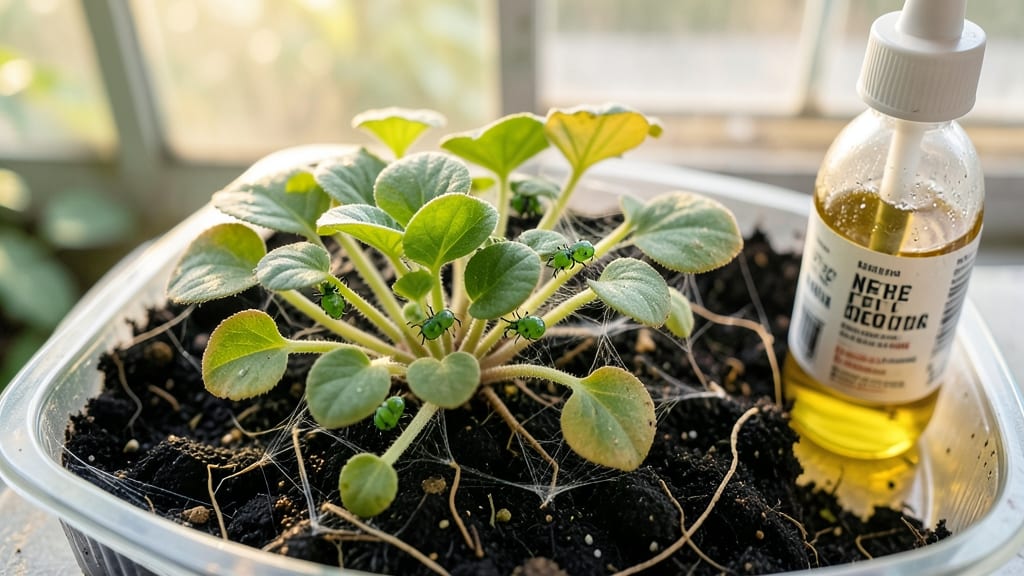
Growing geraniums from seed offers vibrant blooms and lush foliage, but success depends on proper technique. These ten proven steps ensure faster germination, stronger seedlings, and thriving plants from start to finish—ideal for both beginners and experienced gardeners.
Optimal Seed Starting Time for Geraniums
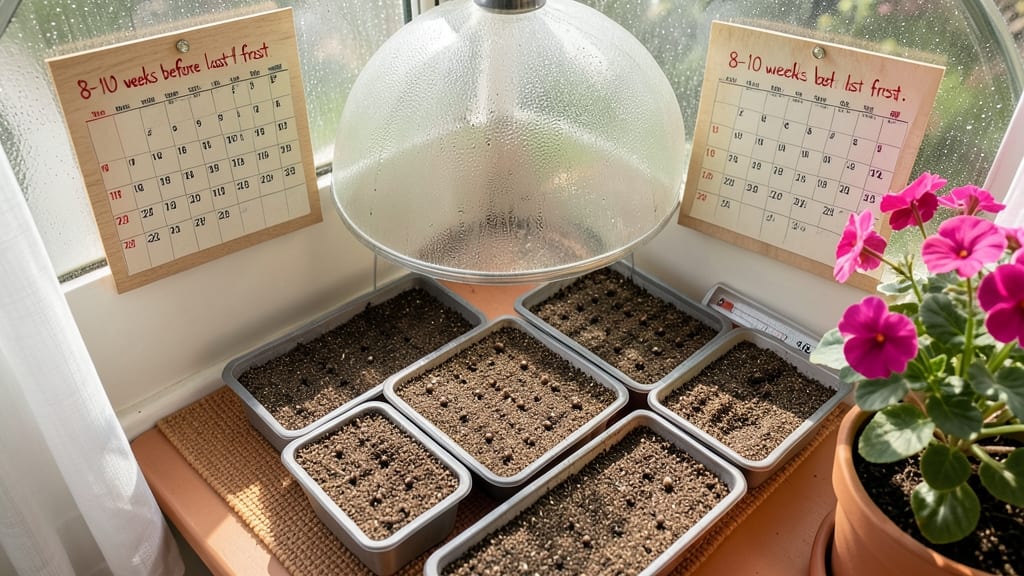
Timing your geranium seeds correctly indoors is the secret to avoiding transplant shock and getting those vibrant blooms earlier. Unlike cuttings, seeds need a precise window to mature before outdoor temperatures stabilize—typically 8-10 weeks before your last frost date.
For most climates, start seeds indoors 10-12 weeks before spring's final frost. This ensures seedlings develop strong roots and sturdy stems (4-6 inches tall with 4-6 true leaves) before transitioning outdoors. Use a seedling heat mat to jumpstart germination, then provide 12-16 hours of light daily to prevent leggy growth.
This timing strategy is especially valuable for gardeners in cooler regions, where a longer indoor period prevents the shock of sudden outdoor temperature swings. 🌱
Best Seed Starting Mix for Geranium Germination
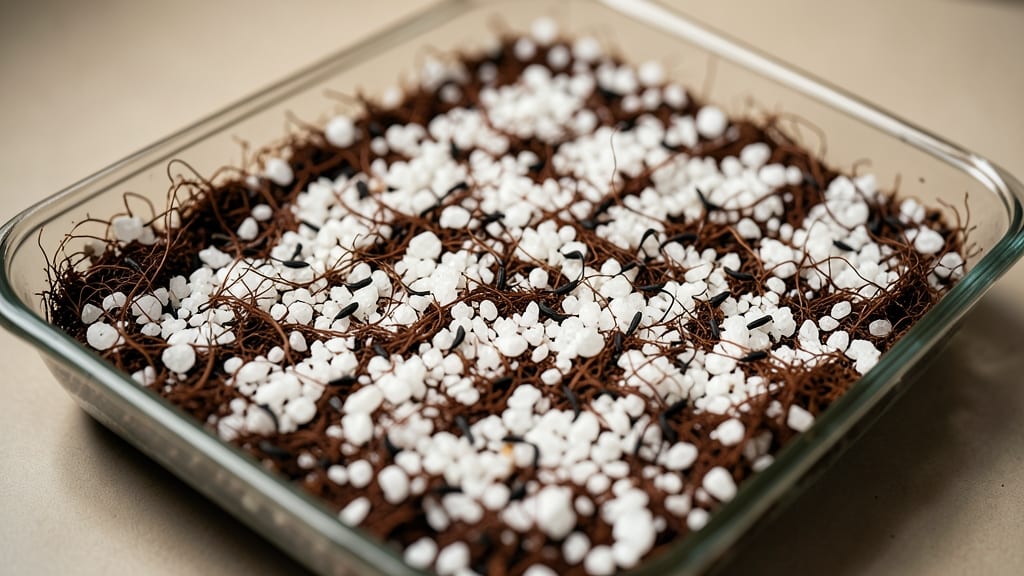
Skip the generic potting soil—geranium seeds thrive in a lightweight, sterile mix designed specifically for delicate seedlings. A blend of perlite and coco coir creates the perfect airy environment, preventing the dreaded damping-off while encouraging strong root development from the start.
Look for pre-mixed seed-starting formulas labeled for "fine seeds" or "annuals," which typically contain 50-70% perlite or vermiculite to improve drainage. Moisten the mix with room-temperature water until damp (not soggy), then gently press geranium seeds into the surface—no need to bury them. This sterile foundation gives your seedlings the best chance to grow without fungal competition.
New gardeners and urban balcony growers will appreciate how this mix reduces transplant shock and speeds up germination. Just avoid compacted soils or garden dirt, which can introduce pathogens and suffocate tender roots. 🌱
Warmth Requirements for Faster Germination
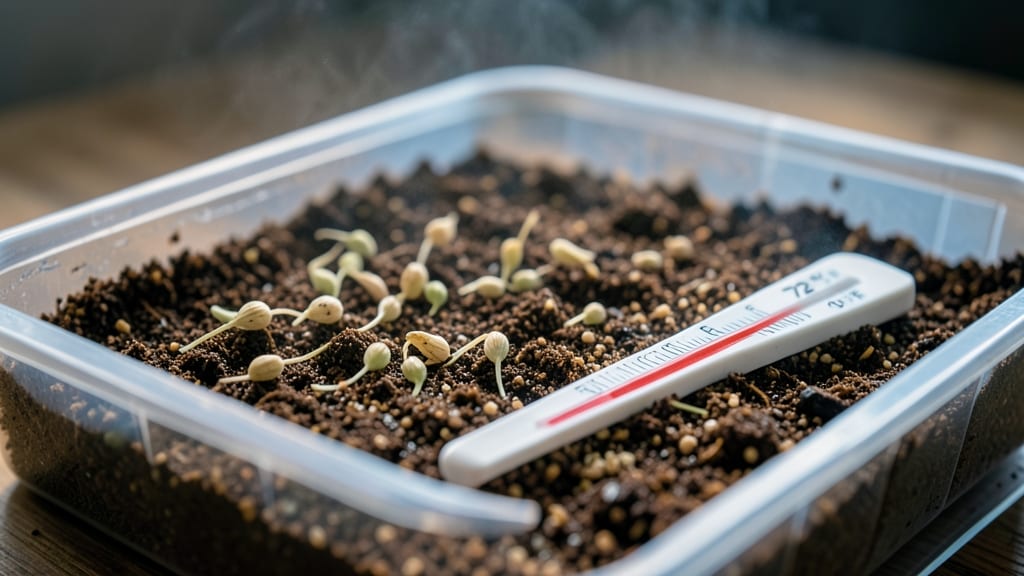
If your geranium seeds are taking forever to sprout, the issue might be temperature—these finicky seeds crave warmth to break dormancy. Without consistent heat, germination can stretch into weeks, leaving you wondering if your seeds are even viable.
Geranium seeds thrive when kept between 70-75°F, mimicking their natural tropical origins. Placing your seed trays on a seedling heat mat or using a bottom heater under pots creates the ideal environment. This simple setup cuts germination time from 3-4 weeks to just 10-14 days, giving you a head start on the growing season. For extra reliability, pair warmth with a humidity dome to retain moisture while the seeds wake up.
This warmth trick is especially helpful for urban gardeners with limited space or cool-climate growers—it’s the secret to turning patience into rapid results without a greenhouse. 💡
Proper Lighting Solutions for Seedlings
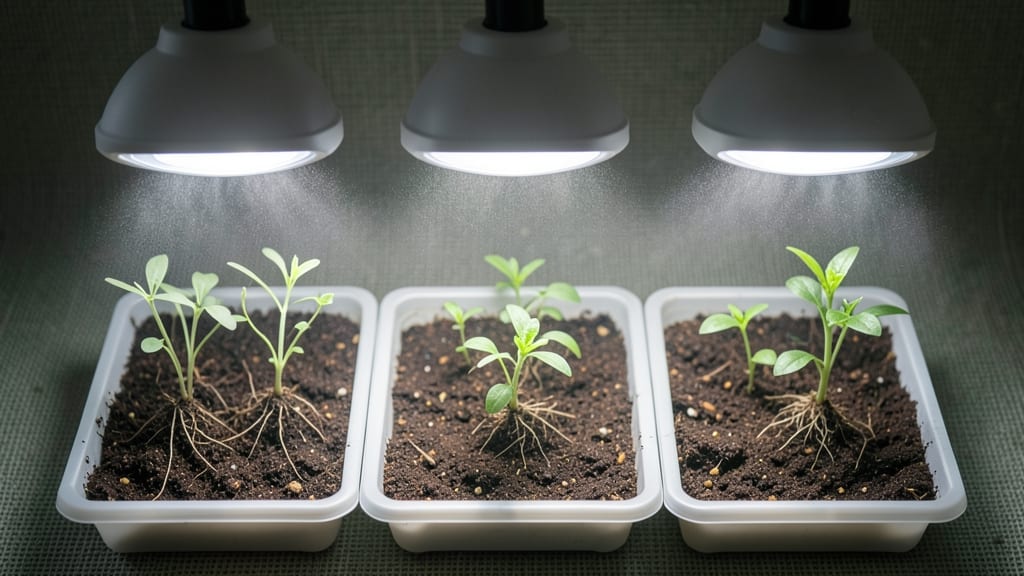
Leggy, weak seedlings are a common frustration when starting geraniums from seed—but the fix is simpler than you think. Grow lights or a south-facing windowsill provide the 12-16 hours of light seedlings crave daily, preventing those stretched-out stems while building strong roots.
Position lights 2-4 inches above seedlings and adjust as they grow. If using natural light, rotate trays daily for even exposure. Avoid west-facing windows, which can cause overheating. For urban gardeners with limited sunlight, LED grow lights (6000K color temperature) are energy-efficient and mimic full sun.
This lighting routine transforms floppy seedlings into sturdy plants ready for transplanting. 💡
Watering Techniques to Prevent Seed Rot
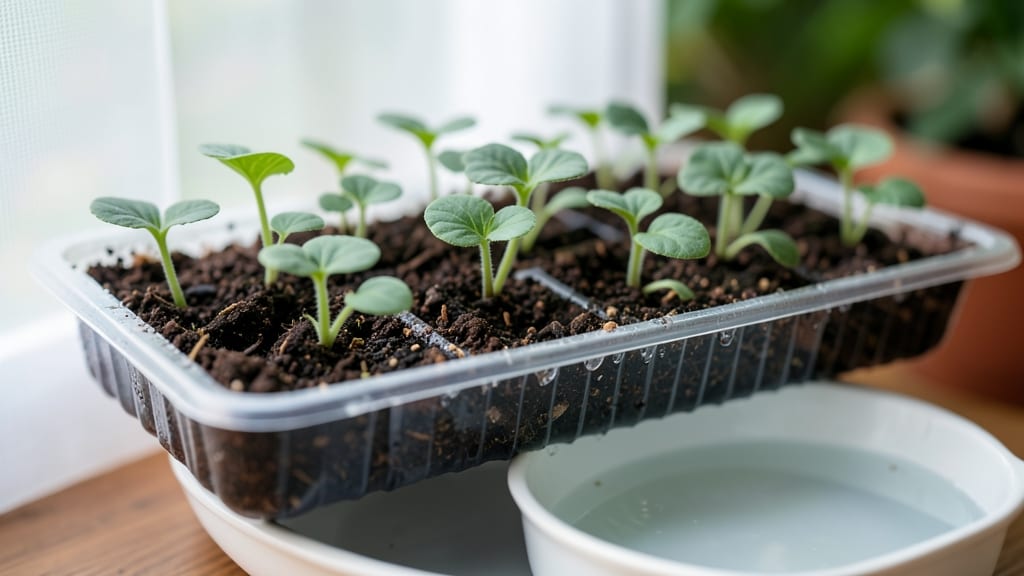
Geranium seedlings are delicate, and too much water can turn your promising starts into a fungal buffet. The key to success? Bottom-watering and gentle misting—techniques that keep soil moist without drowning your tiny plants in stagnant water.
Start by placing your seedling trays in a shallow dish of water for 5-10 minutes twice a week. This lets roots absorb moisture evenly while preventing surface puddles that breed damping-off fungi. For extra humidity, use a spray bottle to mist leaves lightly in the morning—just enough to mimic morning dew. Avoid overhead watering, which can leave seeds and stems damp for too long.
This method is especially helpful for beginners or those with limited space, as it requires minimal equipment and reduces the risk of mold. With the right moisture balance, your geranium seedlings will grow strong and healthy—ready to bloom beautifully. 💚
Thinning Seedlings for Stronger Growth
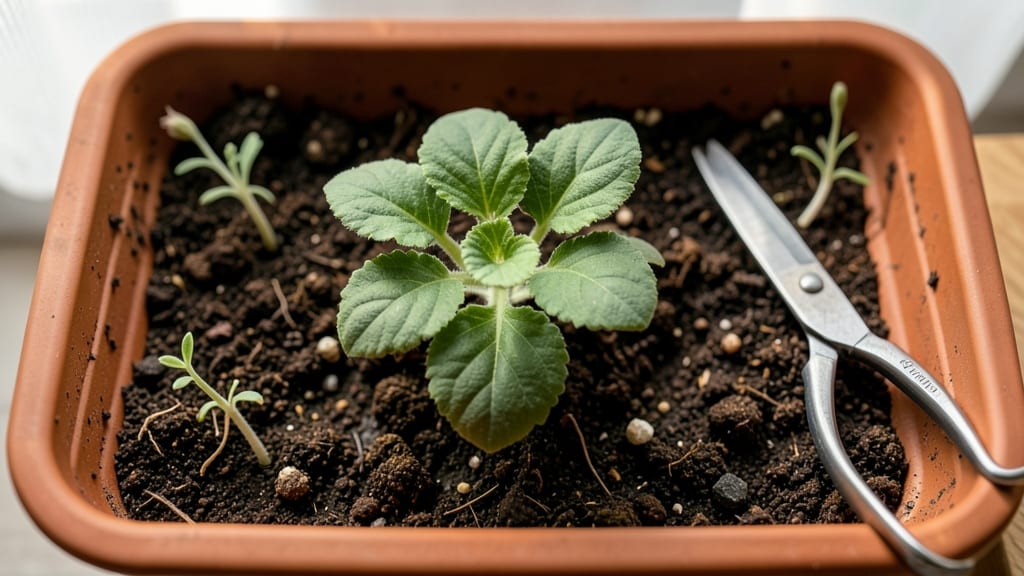
Once your geranium seedlings have sprouted and developed their first true leaves, it's time for a crucial step: thinning. This process might seem harsh, but removing weaker seedlings early actually strengthens the survivors by eliminating competition for water, light, and nutrients.
Use clean scissors or your fingers to snip or gently pull seedlings, leaving only the healthiest ones spaced 2-3 inches apart. This spacing allows roots to spread freely, resulting in bushier plants with stronger stems and more vibrant blooms later. Avoid thinning too late—waiting until seedlings are crowded can stunt their growth permanently.
This step is especially valuable for beginners who might feel guilty about removing plants. Remember, you're creating space for hardier geraniums that will reward you with more abundant flowers. 🌻
Fertilizing Schedule for Young Geraniums
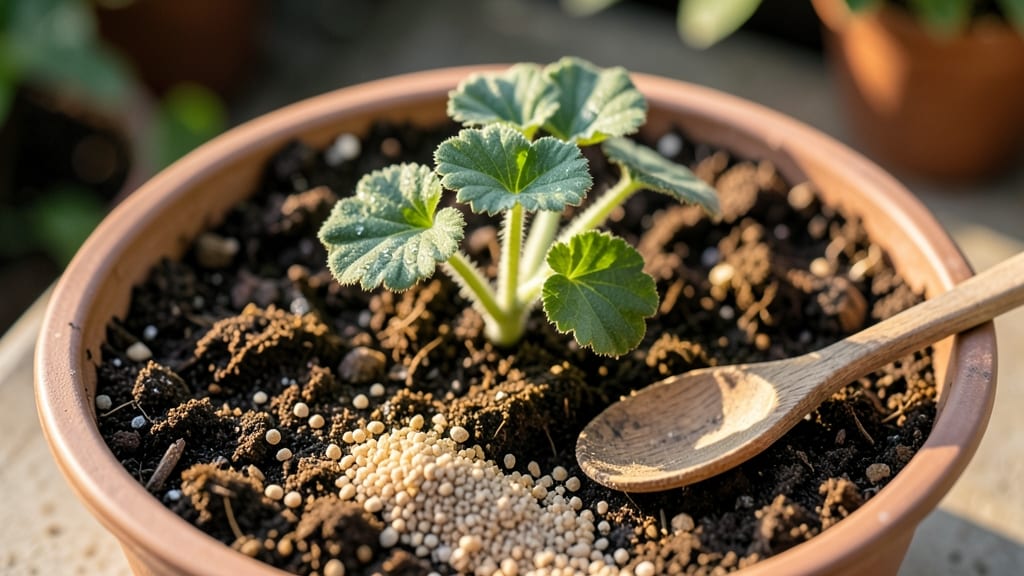
Once your geranium seedlings develop their first set of true leaves (not the initial seed leaves), it’s time to introduce fertilizer—but timing and type matter. A light, balanced 5-5-5 fertilizer (equal parts nitrogen, phosphorus, and potassium) is ideal, as it won’t overwhelm their delicate roots while fueling steady growth.
Apply the fertilizer every 2-3 weeks after true leaves appear, using half-strength solution to avoid chemical burns. Water thoroughly before and after applying to help distribute nutrients evenly. This schedule supports vibrant foliage and sets the stage for abundant blooms later in the season.
This approach is perfect for gardeners who want to nurture strong seedlings without the risk of over-fertilizing—ideal for both containers and garden beds. 🌻
Hardening Off Seedlings Before Transplanting
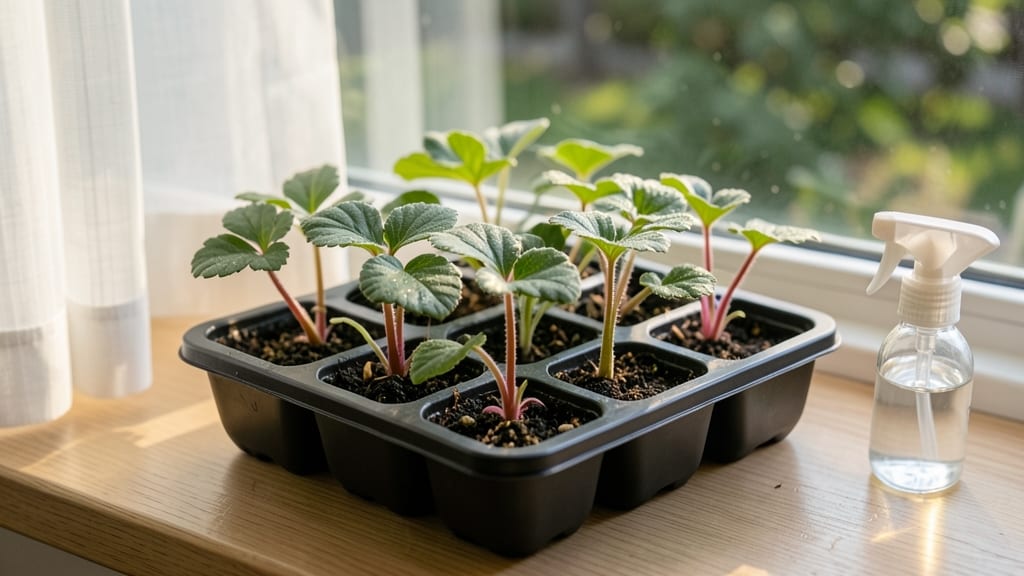
Your geranium seedlings are thriving indoors, but the real test comes when they face outdoor conditions. Hardening off is the secret to helping them adapt—gradually exposing them to wind, sunlight, and temperature shifts over 1-2 weeks prevents transplant shock and ensures survival.
Start by placing seedlings in a shaded, sheltered spot for just an hour on day one, then slowly increase exposure by 1-2 hours daily. After a week, move them to partial sunlight and introduce light breezes to toughen stems. Avoid direct afternoon sun or frost during this period—geraniums are tender until fully hardened.
This step is especially critical for beginners or urban gardeners with limited outdoor space. A well-hardened seedling will bloom faster and withstand pests better once planted. 🌱
Choosing the Right Containers for Growth
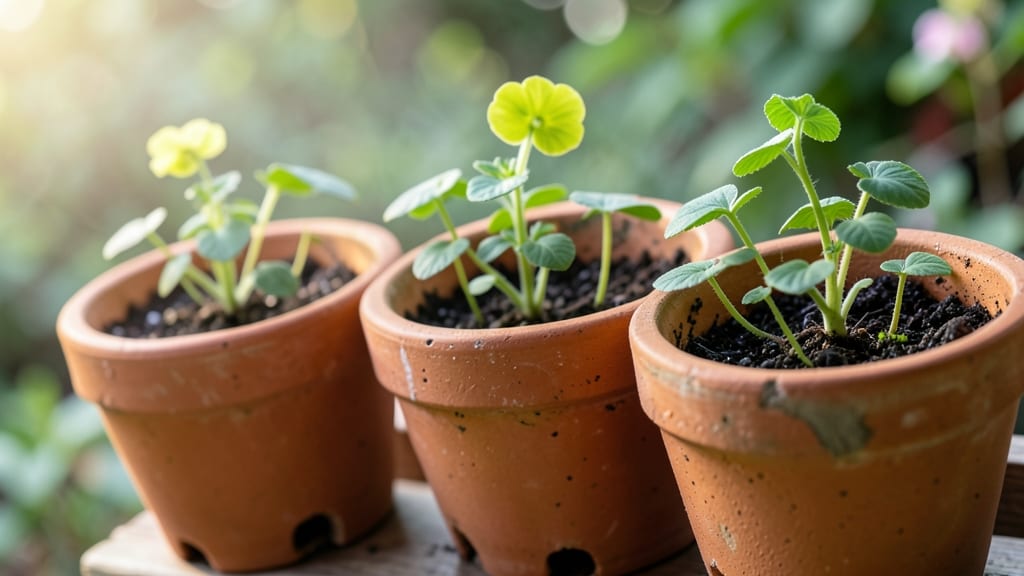
Skipping the right containers can turn your geranium seedlings from thriving to tragic—4-6 inch deep pots with drainage holes are your secret weapon against root rot. These pots strike the perfect balance for both indoor seed starting and eventual outdoor transitions, ensuring your delicate seedlings never sit in soggy soil.
Start with well-draining materials like terracotta or plastic pots (just avoid glazed containers that trap moisture). The drainage holes are non-negotiable—they prevent fungal diseases that can wipe out seedlings in days. For indoor starting, use clear plastic cell packs if you prefer mobility, but always elevate them on trays to catch excess water. When transitioning outdoors, upgrade to slightly larger containers (6 inches) to accommodate growing roots.
This container strategy works especially well for urban gardeners with limited space or beginners who want foolproof success. The right pots mean less fuss and more flowers—no guesswork, just happy plants. 🌱
Pest Control for Healthy Seedlings

Tiny invaders like aphids and spider mites can derail your geranium seedlings before they even get a chance to bloom. These pests thrive on tender new growth, sapping energy and leaving seedlings weak—so early action is your best defense.
Use neem oil or insecticidal soap as soon as you spot pests, applying them in the early morning or late evening when temperatures are mild. These natural solutions smother pests without harming your plants, and they work fast—usually within 24-48 hours. For stubborn infestations, repeat every 3-5 days until the pests disappear. Always test a small area first to ensure your seedlings tolerate the treatment.
This proactive approach is especially valuable for beginner gardeners or those growing geraniums in containers, where pests can spread quickly. A little prevention now means stronger, healthier plants ready to burst into color. 💚