
Planting
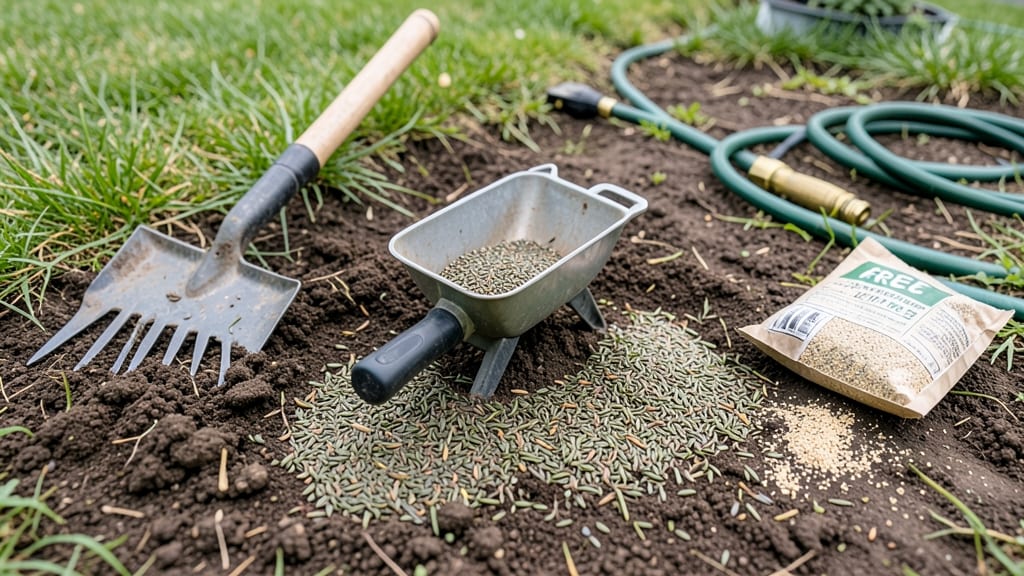
Autumn is the secret season for sowing lawn seed—when cooler temps and gentle rains create the perfect conditions for thick, lush grass. 🌱 I’ve seen bare patches transform into vibrant lawns just by planting in October, and the science backs it up: weeds slow down, moisture stays in the soil, and seedlings establish before winter’s chill.
The key is timing—aim for 4-6 weeks before your first frost, when soil stays warm enough for germination but nights cool down to prevent stress.
You’ll need a rake, a spreader (or a simple hand method), and seed suited to your climate—cool-season grasses like fescue or ryegrass thrive in fall’s mild weather. By spring, you’ll have a lawn that’s disease-resistant, drought-tolerant, and free of summer’s brown spots. The secret?
Light, frequent watering (think misting, not drowning) and a thin layer of straw to protect young sprouts from drying winds. Works in most climates, but adjust for early frosts in the North or wetter falls in the South. Here’s how to nail it every time—no guesswork, just results.
📚 In This Guide
- What you need
- Instructions
- Tips and common mistakes
- Wrapping up and next steps
What you need
- ● Lawn seed: Choose cool-season grass seed (e.g., Kentucky bluegrass, fescue, or ryegrass) for autumn planting.
- ● Quantity: 5–10 lbs per 1,000 sq ft (check seed bag for exact coverage rates).
- ● Soil preparation tools: Rake (bow or leaf rake, medium-tooth for loosening soil).
- ● Garden hoe or till (for compacted or weedy areas).
- ● Lawn aerator (manual or rented spike or slice-type, 1–2 passes recommended).
- ● Fertilizer: Slow-release, high-nitrogen fertilizer (e.g., 24-0-6 or 30-0-4).
- ● Apply ½ lb of nitrogen per 1,000 sq ft before seeding.
- ○ Topsoil or compost: Optional but helpful for thin soil: ¼–½ inch layer to improve seed contact.
- ● Watering supplies: Garden hose with fine-mist nozzle or sprinkler.
- ○ Water timer (optional but highly recommended for consistency).
- ● Seed spreader (broadcast or drop type for even coverage).
- ● Lawn roller (lightweight, 10–20 lbs, to press seed into soil).
- ● Weed barrier fabric (if overseeding in heavily weedy areas).
- ● Soil test kit (to check pH; ideal range: 6.0–7.0 for cool-season grass).
- ● Mulching hay or straw (¼ inch thick, to retain moisture—avoid thick layers!).
Step-by-Step instructions for sowing lawn seed in autumn
Autumn’s mild temperatures and consistent moisture create perfect conditions for establishing a lush, thick lawn.
🪴 Step 1: Prepare the Soil for Optimal Seed Contact
Start by mowing your existing grass as short as possible—this helps sunlight reach the soil and gives new seeds a better chance to establish. Use a rake to remove any debris and loosen the top layer of soil about ¼ inch deep. The goal is to create a smooth, firm surface that seeds can snuggle into without sinking too deep.
For bare patches or new lawns, work in a thin layer of compost or starter fertilizer (about ½ pound per 100 square feet) to provide nutrients as roots develop. A light pass with a garden roller afterward ensures good seed-to-soil contact—critical for germination.
🌱 Step 2: Spread Seed Evenly for Uniform Growth
Use a broadcast spreader to distribute seed evenly, working in two perpendicular directions (north-south, then east-west) to avoid thick or thin spots. For 4 servings, aim for about 8-12 pounds of seed per 1,000 square feet, depending on the grass type. Lightly rake the area again to press seeds into the soil without burying them—most seeds need just ¼ inch of coverage.
Watch for wind or uneven spreading by checking small sections first. If you see clumps, break them up with your fingers or a rake. The key is consistency—uneven seed distribution leads to patchy lawns later.
💧 Step 3: Water Gently and Frequently for Germination
Keep the soil moist but never soggy for the first 2-3 weeks—this is when seeds germinate. Water lightly every 1-2 days (about ¼ inch per session) to prevent the top layer from drying out. You’ll know moisture is right when the soil feels damp ½ inch deep.
Use a sprinkler with fine mist settings or a gentle hose spray to avoid dislodging seeds. Avoid walking on the area until you see first green shoots—usually within 7-14 days. Overwatering here can suffocate seeds, while underwatering stalls growth.
☀️ Step 4: Maintain Moisture and Light for Strong Establishment
Once germination begins, reduce watering frequency slightly but increase depth—½ inch per week—to encourage deep root growth. Avoid heavy foot traffic until grass reaches 2-3 inches tall, as fragile seedlings can be easily damaged. If your lawn starts to look dry or yellow, it’s a sign to water again.
Keep the area free of debris and weeds by hand-pulling any sprouts that appear. Autumn’s cooler temps mean fewer weeds, but staying vigilant now prevents competition later. Within 4-6 weeks, your new grass should be thick enough to mow at 3-4 inches high.
⏰ Step 5: Adjust Care as Seasons Shift
By late autumn, reduce watering to once a week unless rainfall is insufficient. If frost arrives, stop watering entirely until spring—wet soil freezes harder and can damage roots. Apply a winter mulch layer (like straw) over bare spots to protect seeds from temperature swings.
Come spring, you’ll notice your lawn’s density and resilience—thanks to the strong root system established in autumn. This is the secret to a lawn that stays thick and green year after year.
Tips & tricks for perfect autumn lawn establishment
Autumn's cooler weather gives you the edge for growing a thick, resilient lawn—here's how to make the most of it.
The Soil Prep Secret: After mowing your grass short in Step 1, take an extra moment to check for rocks or debris larger than a quarter. These can create uneven seed contact and lead to bare spots. I like to use a stiff broom to sweep away larger debris before raking—it makes the final seed distribution so much smoother. The ¼-inch deep loosening should feel like crumbling dry cake, not compacted dirt.
Seed Distribution Pro Tip: When using a broadcast spreader in Step 2, walk in a crisscross pattern but overlap your passes by about 6 inches to prevent streaks. For smaller areas, try the "hand method": sprinkle seed from about 6 inches above the ground, moving your hand in smooth motions. The ¼-inch coverage should feel like dusting flour—just enough to cover without piling up.
Watering Wisdom: The 2-3 week germination window is critical, so set a reminder for your watering schedule. I use a simple rain gauge to measure ¼ inch of water—it's the thickness of a nickel! Water in the early morning so the soil has all day to absorb moisture before evening evaporation. If you see water pooling, you're overdoing it—seeds need moisture, not a swamp.
Weed Prevention Strategy: In Step 4, when you're hand-pulling weeds, focus on the roots! A quick tug won't remove the whole plant. Instead, grasp the weed at the base and pull upward with steady pressure. This prevents regrowth and makes your lawn establishment effort even more effective. Autumn's cooler temps mean fewer weeds, but staying vigilant now means less competition for your new grass.
Pro Tips for Sowing Lawn Seed In Autumn
- Autumn's cooler weather gives you the edge for growing a thick, resilient lawn—here's how to make the most of it.
- The Soil Prep Secret: After mowing your grass short in Step 1, take an extra moment to check for rocks or debris larger than a quarter.
- Seed Distribution Pro Tip: When using a broadcast spreader in Step 2, walk in a crisscross pattern but overlap your passes by about 6 inches to prevent streaks.
Frequently asked questions
Why is autumn the best time to sow lawn seed?
Autumn’s cooler temperatures and moderate rainfall create the perfect conditions for grass seeds to germinate and establish strong roots. Fewer weeds compete for nutrients, and the soil stays moist longer, giving your lawn a head start for spring. Plus, cooler weather reduces stress on young seedlings!
How soon after sowing will I see results?
Most grass varieties sprout within 7–14 days under ideal conditions, but full growth takes 4–6 weeks. Cool-season grasses (like fescue or ryegrass) thrive in autumn, so you’ll notice faster thickening than in summer. Patience is key—avoid walking on new seedlings until they’re at least 2–3 inches tall!
Do I need to water daily after sowing?
Yes! Keep the soil consistently moist (not soggy) for the first 2–3 weeks—that’s about ¼ inch of water daily. Use a gentle sprinkler to avoid displacing seeds. Once seedlings are 2 inches tall, reduce watering to 1–1.5 inches per week, including rainfall.
What if I miss autumn? Can I sow in spring instead?
Spring sowing is possible, but it’s trickier. Hot, dry weather can stress seeds, and weeds may outcompete them. If you must plant in spring, choose shade-tolerant varieties (like fine fescue) and sow early (March–April). Mulch with straw to retain moisture—just don’t let it smother the seeds!
How do I deal with pests or weeds popping up after sowing?
Prevention is easier than treatment! Apply a pre-emergent herbicide (like corn gluten meal) before sowing to block weeds. For pests (like grubs or chinch bugs), use neem oil or an insecticidal soap. Avoid fertilizers with high nitrogen until seedlings are established—it can attract pests.
Can I overseed an existing lawn in autumn?
Overseeding in autumn is a great way to fill thin spots. Mow your lawn short (1–1.5 inches), then rake to loosen soil. Spread seed evenly and cover lightly with ¼ inch of compost. Water gently, and you’ll see thicker grass in 3–4 weeks. Perfect for reviving tired lawns!
Wrapping up and next steps
Autumn is your secret weapon for a lush, resilient lawn—cooler temps and gentle rains create the perfect conditions for sowing seed. By choosing the right variety, prepping your soil, and following a few key steps, you’ll set your grass up for explosive growth next spring. 🌱
Don’t wait—grab your tools, mark your calendar, and get started! Once your seeds are in the ground, water, watch, and wait as nature does the rest. Ready to transform your yard? Check out our step-by-step planting guide to dive in!