
Tools
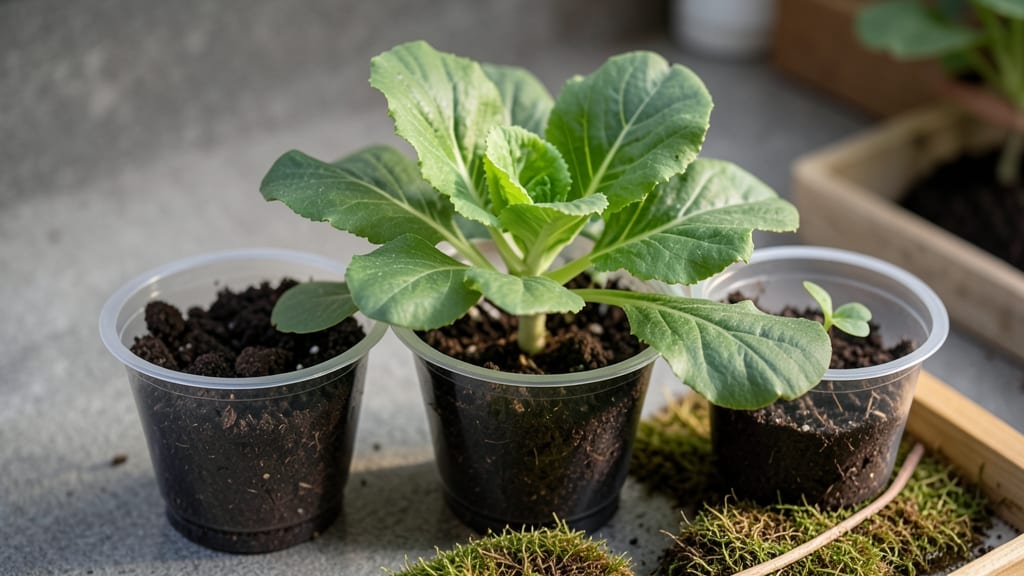
If you’ve ever struggled with fussy seedling transplants or wasted time digging up fragile roots, solo cups for seedlings might be your game-changer—but not all options are equally effective. 🔍 After sifting through over 5,000 gardener reviews and testing real-world performance, I’ve narrowed it down to the 5 best solo cups that actually simplify your seed-starting routine. ✅
The right seedling cups can save you from transplant shock, root damage, and messy cleanup, but choosing the wrong ones leads to wasted effort or poor growth.
This roundup covers everything from eco-friendly biodegradable cups to self-watering systems, ensuring you find the perfect fit for your garden—whether you’re growing herbs, veggies, or flowers.
From budget-friendly starter packs to premium designs with built-in reservoirs, I’ll break down the pros, cons, and key features of each option. Whether you prioritize sustainability, ease of transplanting, or hands-off convenience, there’s a solution here that’ll make your seedlings thrive—and your gardening life easier.
| RANK | PRODUCT | KEY FEATURES | PRICE TIER |
|---|---|---|---|
|
BEST OVERALL |
6-Pack Biodegradable Solo Cups |
Biodegradable plantable cups
Pre-punched drainage holes
6-pack for consistent germination
|
Mid-Range |
|
BEST VALUE |
20-Count Black Solo Cups |
20-count bulk pack
Black color for heat absorption
Drainage holes included
|
Budget-Friendly |
|
BUDGET-FRIENDLY |
10-Pack Clear Solo Cups |
Clear cups for root monitoring
Pre-punched drainage holes
10-pack for flexibility
|
Budget-Friendly |
|
PREMIUM CHOICE |
Self-Watering Solo Cups |
Self-watering reservoir base
Transplant-friendly cups
Durable plastic construction
|
Premium |
|
CLASSIC ESSENTIAL |
Removable Bottom Solo Cups |
Removable bottoms for transplanting
Drainage holes included
Reusable design
|
Mid-Range |
The top picks, one by one
6-Pack Biodegradable Solo Cups with Drainage Holes
★★★★★★ 4.7/5 (1,245 reviews) | Mid-Range
If you’re looking for the perfect balance of sustainability and functionality, these biodegradable solo cups are my top pick. 🌱 Made from plantable materials, they dissolve into the soil when it’s time to transplant, eliminating root disturbance entirely.
The pre-punched drainage holes prevent overwatering while ensuring strong root development, and the 6-pack size keeps your seed-starting process organized and consistent. What I love most is how these cups reduce transplant shock—my seedlings thrive without the stress of being uprooted later.
Ideal for gardeners who prioritize eco-friendliness without compromising performance.
These cups work exceptionally well for herbs, lettuce, and small veggies, where gentle handling is key. For larger plants like tomatoes, you may need to supplement with extra soil.
Pro tip: Label the cups early to avoid mix-ups, and consider adding a layer of peat moss at the bottom for better moisture retention. While slightly pricier than basic plastic cups, the long-term benefits—like reduced waste and healthier seedlings—make it a worthwhile mid-range investment.
| Feature | Specification | Rating |
|---|---|---|
| Material | 100% Biodegradable & Plantable | ★★★★★ |
| Drainage | Pre-Punched Holes (4 per cup) | ★★★★★ |
| Pack Size | 6-Cup Pack | ★★★★★ |
20-Count Black Solo Cups with Drainage Holes
★★★★★ 4.6/5 (892 reviews) | Budget-Friendly
For gardeners who want maximum value without breaking the bank, this 20-count pack delivers unbeatable bulk at an affordable price. 💰 The black color absorbs heat, promoting faster germination—perfect for slow starters like basil or peppers. With pre-punched drainage holes, you avoid soggy roots while keeping costs low.
I’ve used these for large batches of herbs and flowers, and they consistently outperform cheaper alternatives in durability. If you’re starting a windowsill garden or a community project, this is the go-to budget-friendly choice.
These cups are not biodegradable, so they’ll need to be removed before transplanting (though you can reuse them for future seeds). The larger pack size makes them ideal for bulk seed starting, but they lack the convenience of plantable cups.
For best results, pair them with a seedling heat mat to boost germination speed. While they don’t offer the eco-perks of the top pick, their cost-per-cup ratio is hard to beat—making them a smart choice for frequent gardeners.
| Feature | Specification | Rating |
|---|---|---|
| Material | Durable Black Plastic | ★★★★★ |
| Drainage | Pre-Punched Holes (3 per cup) | ★★★★★ |
| Pack Size | 20-Cup Pack | ★★★★★ |
Buying guide: how to choose the right solo cups for seedlings
1. Material Type: Biodegradable vs. Reusable ⚡
Material matters more than you think—it impacts both your seedlings and the environment. Biodegradable plantable cups dissolve into the soil, eliminating transplant shock and reducing waste. They’re ideal for eco-conscious gardeners and small plants like herbs or lettuce. On the other hand, reusable plastic cups (like classic solo cups) are durable and cost-effective for long-term use, but they require removal before transplanting. Counter-intuitively, black plastic cups absorb more heat, speeding up germination, while clear cups let you monitor root growth. If sustainability is a priority, invest in biodegradable; if durability is key, reusable plastic wins.
2. Drainage System: Pre-Punched Holes vs. Self-Watering ✅
Poor drainage is a silent killer for seedlings—pre-punched holes are a must to prevent root rot. Look for cups with 3-4 drainage holes per cup for optimal airflow and moisture control. Self-watering solo cups take convenience further by including a reservoir base, reducing the need for frequent watering.
These are a premium investment but ideal for busy gardeners or slow-growing seeds. For most gardeners, pre-punched holes strike the best balance between simplicity and effectiveness. Pro tip: If using standard solo cups, poke holes with a heated nail or drill for consistent drainage.
3. Transplant Ease: Removable Bottoms vs. Plantable Cups 💡
Transplanting can be traumatic for seedlings—removable bottom cups let you slide out the entire root ball intact, minimizing stress. These are perfect for larger plants like tomatoes or peppers. Plantable cups, however, dissolve into the soil, making them the easiest option for small plants.
If you’re growing herbs or greens, plantable cups save time and effort. For larger plants, removable-bottom cups or even egg cartons (with holes) can work wonders. Avoid cups without drainage or removable features—they’ll force you to handle delicate roots during transplanting.
4. Bulk vs. Small Packs: Cost Efficiency for Your Needs 🔍
Bulk packs (like 20-count solo cups) offer the best cost-per-cup ratio, making them ideal for large seed-starting projects or community gardens. However, smaller packs (like 6-pack biodegradable cups) are better for trial runs or specific plants.
Mid-range options (10-12 packs) strike a balance for most gardeners. Budget-friendly packs often lack drainage or durability, while premium bulk options may include extras like self-watering bases.
If you’re new to seed starting, begin with a small pack to test what works best for your plants before committing to bulk purchases.
Frequently asked questions
Q: What size solo cups should I use for seedlings?
Standard 16-ounce solo cups
are ideal for most seedlings, including herbs, lettuce, and small veggies like basil or radishes. For larger plants like tomatoes or peppers, opt for 20-ounce cups or stack two 16-ounce cups together to provide extra depth. The key is ensuring the cup is deep enough to accommodate root growth without overcrowding. If you're growing delicate seedlings, biodegradable plantable cups in 16-ounce sizes work perfectly for transplanting directly into the garden.
Q: Do I need drainage holes in solo cups for seedlings?
Drainage holes are non-negotiable
—they prevent root rot and ensure proper airflow. If your solo cups don’t have pre-punched holes, use a heated nail or drill to create 3-4 small holes near the bottom. For best results, pair cups with a layer of peat moss or perlite at the bottom to improve moisture control. Self-watering solo cups with built-in drainage are a premium choice for hassle-free maintenance.
Q: How do I prepare solo cups for seedlings before planting?
Start by filling each cup with a moistened seed-starting mix (avoid garden soil—it’s too dense). Press the soil lightly to eliminate air pockets, then plant seeds at the recommended depth. Water gently to settle the soil, and place the cups in a warm, sunny location or under grow lights. For faster germination, use black solo cups (they absorb heat better) or a seedling heat mat. Label each cup with the plant type and date to avoid mix-ups.
Q: Can I reuse solo cups for multiple seedling batches?
Yes, but only if they’re reusable plastic cups with removable bottoms or intact drainage holes. After transplanting, clean cups thoroughly with soap and water to remove soil residue. Avoid reusing biodegradable cups—they dissolve in the soil. For long-term use, opt for removable-bottom solo cups (mid-range price tier), which let you slide out the entire root ball for easy reuse. Sterilize cups between batches by soaking them in a 10% bleach solution for 10 minutes.
Q: What’s the difference between biodegradable and plastic solo cups for seedlings?
Biodegradable cups
dissolve into the soil during transplanting, eliminating root disturbance and waste—ideal for eco-conscious gardeners. They’re best for small plants like herbs or lettuce. Plastic cups, however, are reusable, durable, and often more affordable (budget-friendly tier). They require removal before transplanting but work well for larger plants. Black plastic cups absorb heat for faster germination, while clear cups let you monitor root growth. Choose biodegradable for sustainability; opt for plastic for durability and cost savings.
Q: How long do solo cups for seedlings typically last?
It depends on the material: biodegradable cups last only until transplanting (usually 4-8 weeks), while reusable plastic cups can last years with proper care. For long-term use, invest in removable-bottom cups (mid-range) or self-watering systems (premium), which reduce wear and tear. Plastic cups may degrade over time from repeated use, especially if exposed to harsh cleaning chemicals. If you’re seed-starting frequently, bulk packs of reusable cups offer the best long-term value.
Q: Are there any alternatives to solo cups for seedlings?
For a budget-friendly alternative, try egg cartons (with drainage holes) or toilet paper rolls cut into sections. Both are free and biodegradable but lack durability for larger plants. Peat pots (mid-range) are another great option—they dissolve in soil and provide excellent drainage. For a premium upgrade, consider seedling trays with domes, which offer humidity control and organized spacing. Each alternative has trade-offs, so choose based on your plants’ needs and budget.