
Planting
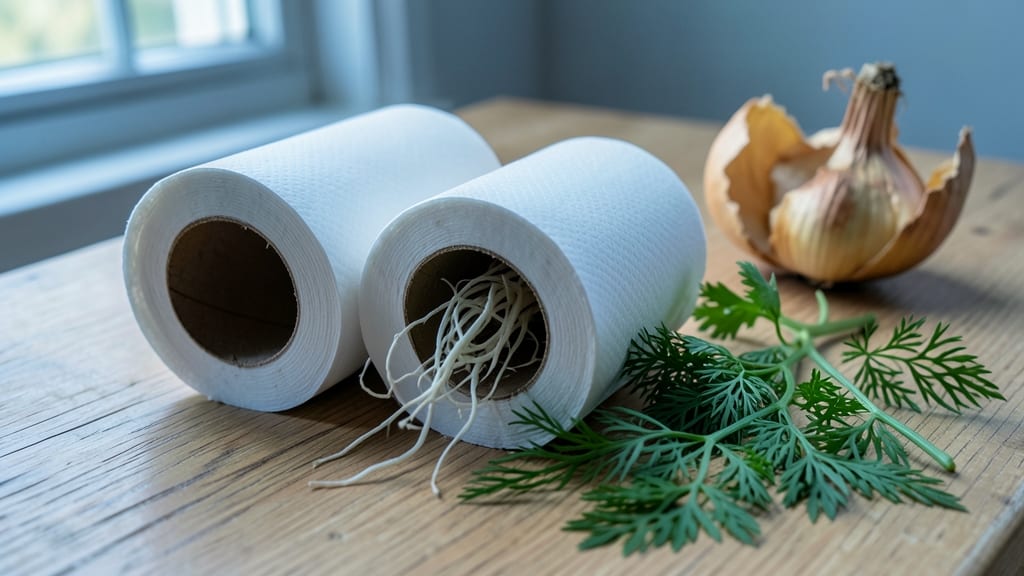
Toilet paper rolls are perfect for seed starting, but some plants simply won’t thrive in this cramped space. Discover the 10 seeds that fail spectacularly in toilet paper rolls—and what to plant instead for foolproof success.
Large Pumpkin Seeds for Giant Varieties
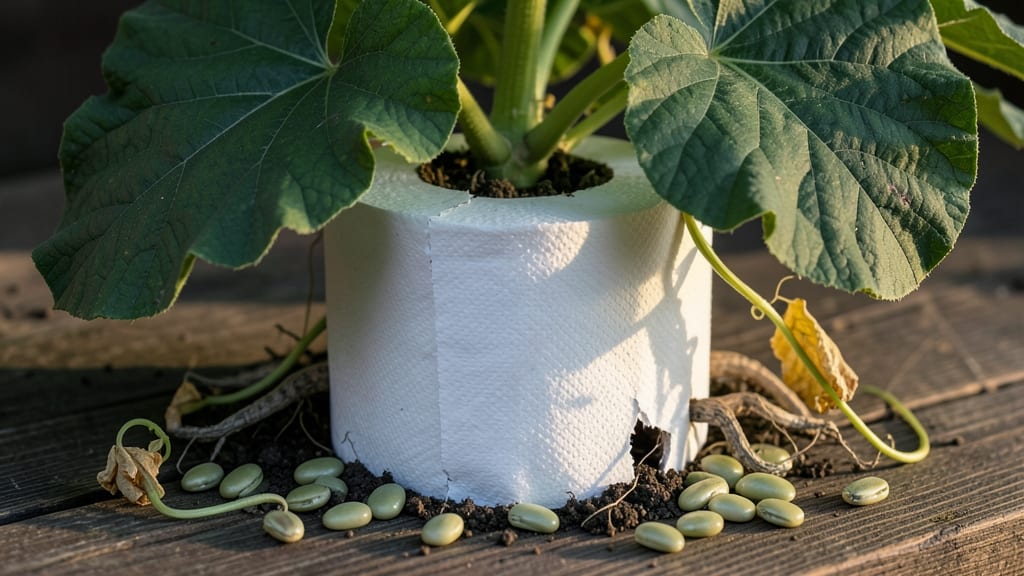
Dreaming of carving a 20-pound pumpkin this fall? Skip the toilet paper roll—those massive seeds need deep, sprawling soil to support their aggressive vines. A standard roll’s shallow roots and flimsy walls can’t handle the weight or space requirements, leaving you with a sad, stunted vine instead of a prize-winning gourd.
Giant pumpkin varieties like Atlantic Giant or Howden demand at least 12 inches of soil depth and sprawling root zones—far beyond what a toilet paper roll can provide. Even if you reinforce it, the roots will bind tightly, choking growth and leaving you with a weak plant that collapses under its own weight. For these varieties, start in biodegradable pots or large containers with minimum 18-inch depth to avoid disappointment.
This is especially important for urban gardeners or beginners—skipping the toilet paper roll here saves time and frustration. Save those rolls for smaller seeds like zucchini or bush beans, where space constraints matter less. 🌱
Corn Kernels for Tall Varieties
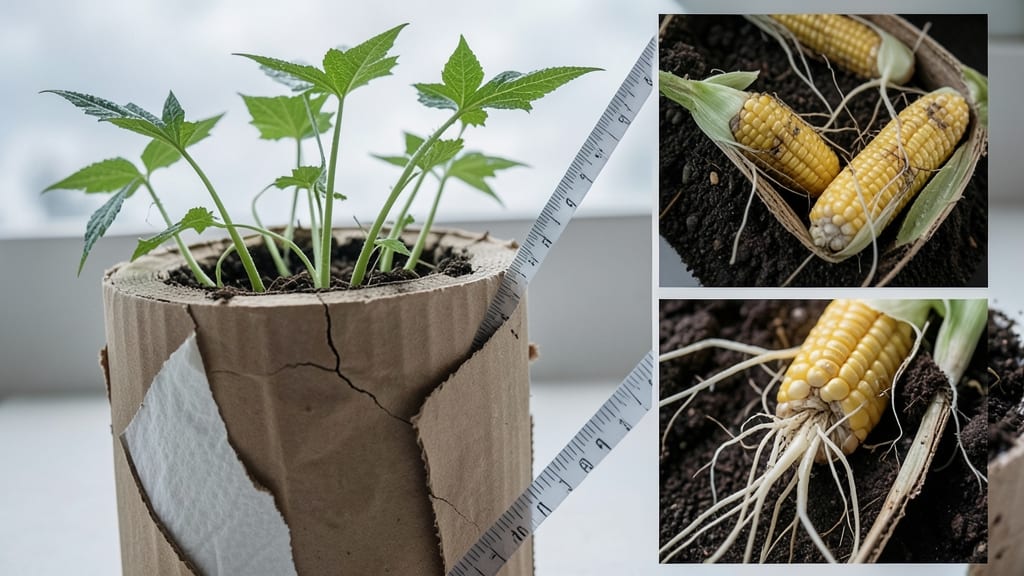
If you’ve ever dreamed of growing your own ears of corn, think twice before popping those kernels into a toilet paper roll. Corn seedlings need at least 6-8 inches of depth and sturdy support to grow upright—something a flimsy toilet paper roll simply can’t provide.
The problem starts with the roots: corn develops a deep, fibrous root system that quickly outgrows the tiny container, causing roots to circle and bind. Without proper space, seedlings topple over or develop weak, spindly stems that can’t support the plant’s eventual height. Even if you reinforce the roll, the lack of stability leads to poor germination and stunted growth.
This is especially true for tall varieties like 'Golden Bantam' or 'Country Gentleman', which can reach 6-8 feet. For corn, opt for biodegradable peat pots or plant directly outdoors in well-drained soil with plenty of space. 🌱
Sunflower Seeds for Towering Varieties
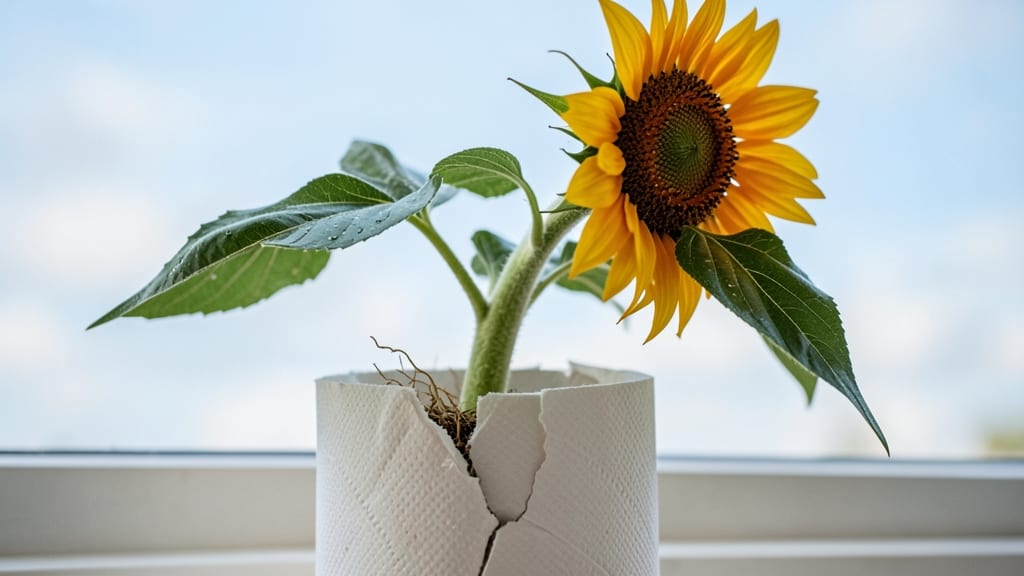
Dreaming of a 10-foot-tall sunflower like the ‘Mammoth’ variety? Skip the toilet paper roll—its flimsy walls can’t support the weight or depth these giants need to thrive. The moment your seedling outgrows its container, the stem will bend or snap under pressure, leaving you with a sad, lopsided plant.
Giant sunflowers require at least 12 inches of soil depth and sturdy stakes to prevent toppling. A toilet paper roll’s 2-3 inches of space will cause roots to circle tightly, starving the plant of nutrients and water. Even if you reinforce the roll with mesh or tape, the lack of structural support means the stem will weaken as it grows taller.
For sunflower lovers, stick to smaller varieties like ‘Teddy Bear’ (3-5 feet) or ‘Moulin Rouge’ (4-5 feet) in toilet paper rolls, or opt for deeper containers like peat pots. Your giant sunflower dreams deserve better than a cardboard cage. 🌻
Squash Seeds for Vining Varieties
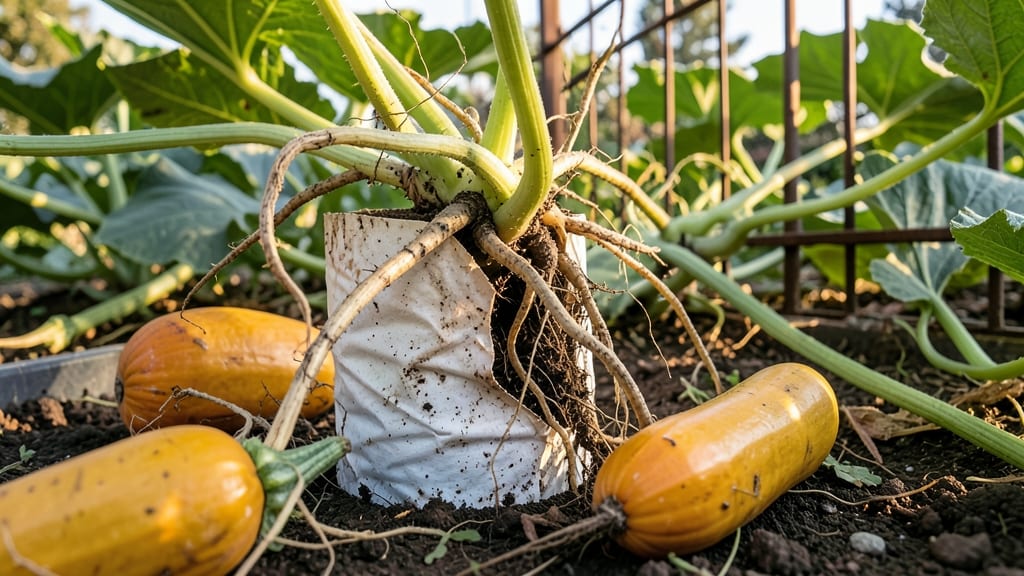
If you’ve ever dreamed of growing your own butternut squash or zucchini, think twice before popping those seeds into a toilet paper roll. These vining varieties can sprawl up to 10 feet in a single season, and their heavy, sprawling roots will quickly outgrow even the sturdiest DIY container.
The problem isn’t just the vine length—it’s the weight. A mature squash vine can weigh 20+ pounds when laden with fruit, and a toilet paper roll’s flimsy structure will collapse under the strain. Even if you reinforce it with duct tape, the roots will burst through the sides, leaving your seedlings stunted and stressed. For these plants, you’ll need 5-gallon pots or larger to support their growth.
Urban gardeners with limited space should opt for bush varieties like ‘Eight Ball’ zucchini or ‘Waltham Butternut’—they stay compact and produce abundantly without sprawling. Save the vining types for your in-ground garden or a dedicated raised bed. 💪
Tomato Seeds for Indeterminate Varieties
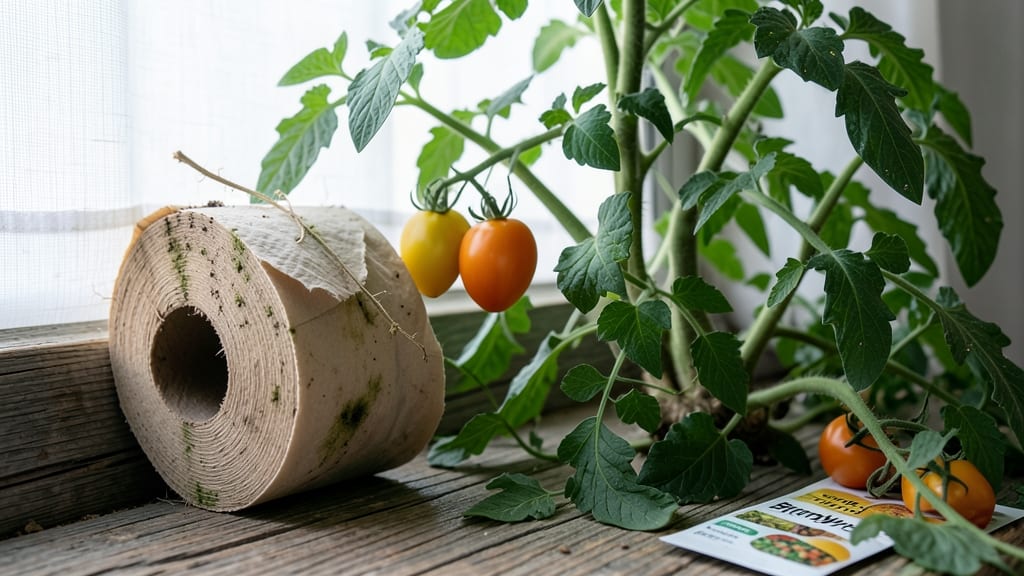
Dreaming of a bountiful tomato harvest from indeterminate varieties like Sungold or Brandywine? Think again if you’re relying on toilet paper rolls. These vining giants need deep, stable pots to support their continuous growth—something a flimsy cardboard tube simply can’t provide.
Indeterminate tomatoes send out new stems and flowers all season long, requiring at least 12 inches of soil depth and strong structural support. In a toilet paper roll, roots quickly become root-bound, stunting growth and reducing fruit production. Even if you reinforce the tube, the lack of drainage and limited space leads to weak stems and poor yields.
Save your indeterminate tomato seeds for 5-gallon pots or larger—beginners and urban gardeners will thank you for the healthier plants and bigger harvests. 🌱
Melon Seeds for Large-Fruited Varieties
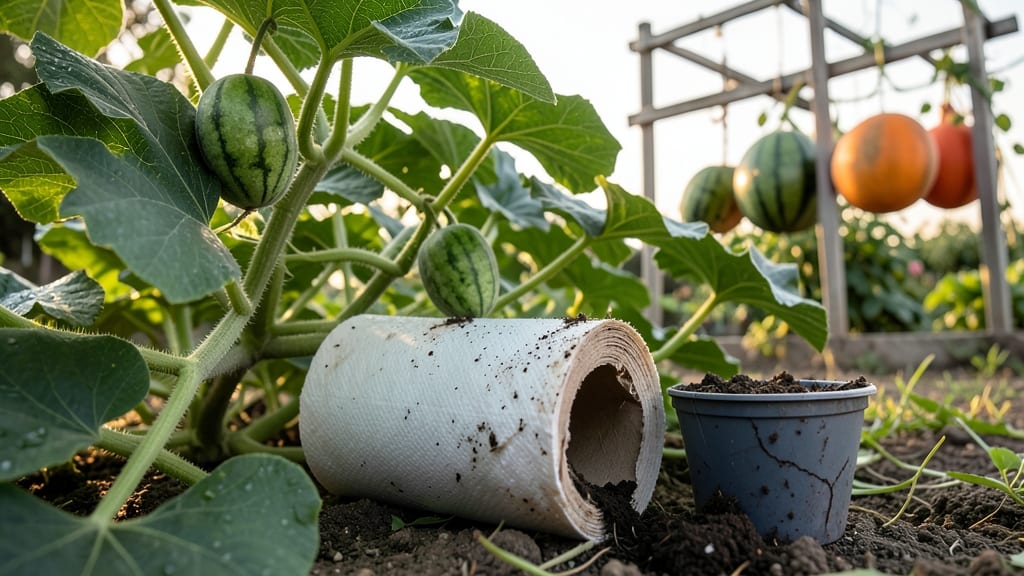
Dreaming of juicy watermelons or sweet cantaloupes? Think twice before planting those seeds in a toilet paper roll. These heavy-fruited melons need 5+ gallons of soil and sturdy support—something a flimsy cardboard tube can’t provide.
The moment your melon plant starts producing fruit, the toilet paper roll’s weak structure will fail under the weight, causing the plant to wilt or collapse. Even the strongest seedlings can’t compensate for the lack of root space, leading to stunted vines and poor yields. For these varieties, opt for 5-gallon buckets or fabric grow bags instead.
This is especially important for urban gardeners with limited space—skip the melons in toilet paper rolls and focus on lighter crops like cucumbers or zucchini that can thrive in smaller containers. 🌻
Pea Seeds for Bush Varieties with Long Vines
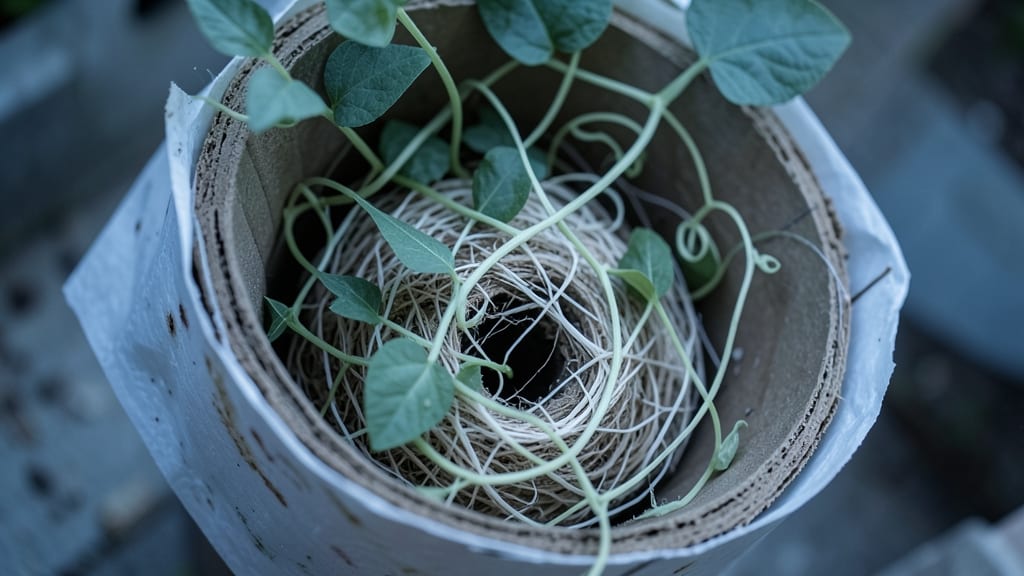
Pea seeds might seem like a safe bet for toilet paper roll starters, but bush varieties with long vines quickly outgrow their cozy containers. The delicate vines tangle around the edges, while roots circle tightly—creating a suffocating environment with poor air circulation and stunted growth.
Unlike dwarf varieties, these peas need at least 3-4 inches of soil depth and room to sprawl. The toilet paper roll’s thin walls can’t support their weight, leading to weak stems and tangled messes. For success, opt for dwarf pea varieties like 'Tom Thumb' or use wider containers like egg cartons for better airflow.
This is especially important for urban gardeners with limited space—choosing the right pea variety saves time and frustration when transplanting. 🌱
Cucumber Seeds for Sprawling Varieties
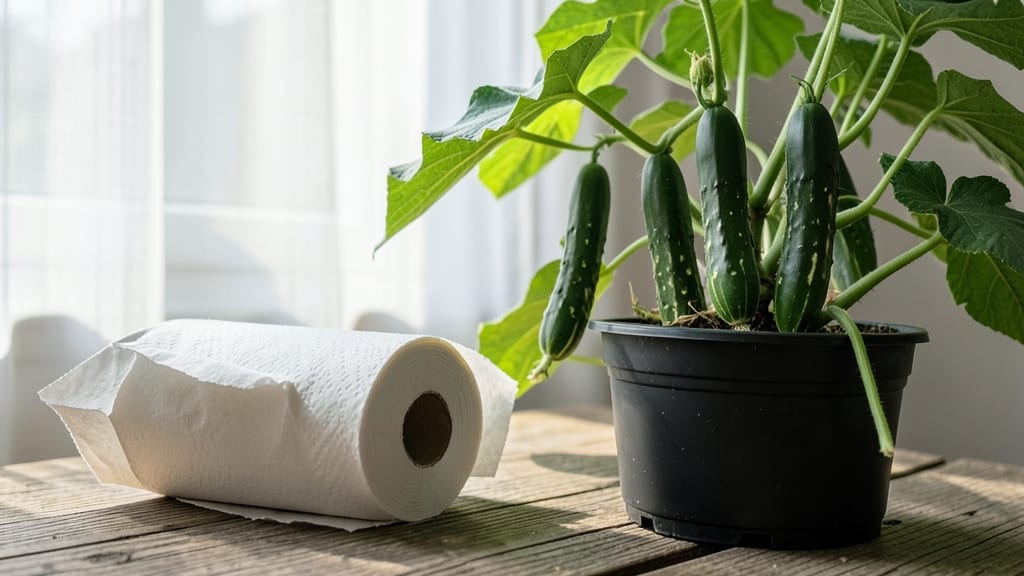
If you’re dreaming of a bountiful cucumber harvest this summer, don’t waste your time (or seeds) in a toilet paper roll. Cucumbers like sprawling varieties such as ‘Straight Eight’ or ‘Marketmore’ need vertical support and wide root space—both impossible to provide in a flimsy cardboard tube.
The moment those aggressive vines start searching for something to climb, they’ll either flop over or get tangled in the roll’s edges. Meanwhile, roots will circle tightly, binding themselves and starving for oxygen. Within weeks, you’ll have a sad, leggy plant instead of a productive vine.
Save your cucumber seeds for biodegradable pots or direct sowing—they’ll reward you with plentiful harvests and fewer headaches. 🌱
Bean Seeds for Pole Varieties
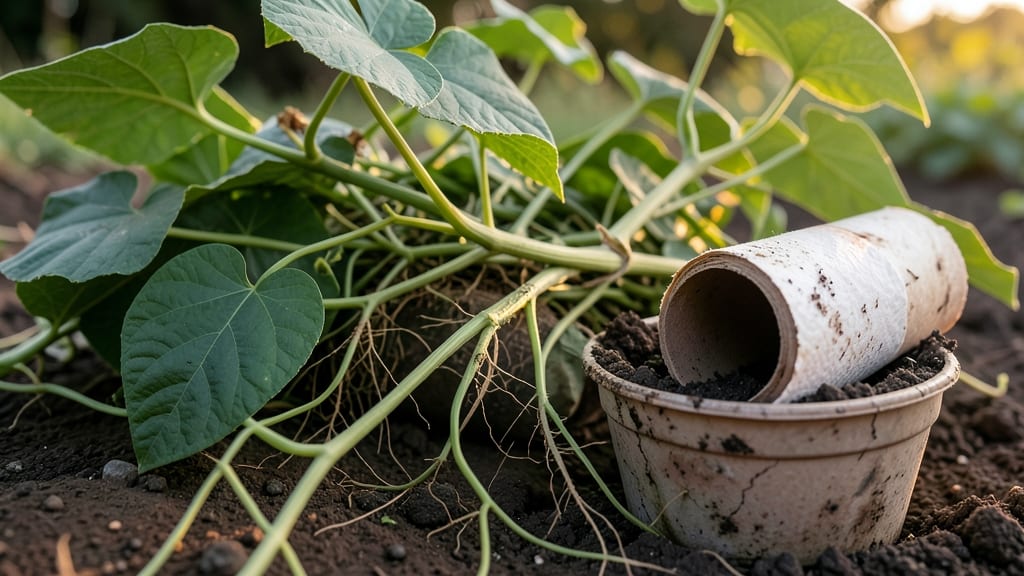
If you’re dreaming of a pole bean harvest this summer, skip the toilet paper roll—these climbers need strong trellises and deep roots to thrive. The flimsy cardboard container can’t provide the stability or space they need, leaving you with weak stems that flop over before producing a single pod.
Pole beans like Kentucky Wonder or Blue Lake grow 6-10 feet tall and require at least 6 inches of soil depth to develop sturdy roots. In a toilet paper roll, their roots circle tightly, starving the plant and causing it to collapse under its own weight once vines start climbing. Even if you reinforce the roll, the lack of structural support means poor yields or total failure.
For pole beans, opt for biodegradable pots or direct sowing into the garden with a sturdy trellis. This ensures strong stems and a bountiful harvest—no flimsy containers required! 🌱
Herb Seeds for Deep-Rooted Varieties

If you love the fresh, bright flavors of dill or fennel, skip the toilet paper roll—these herbs develop long taproots that can’t fit in the limited space. Their roots will circle and bind, leading to weak stems and underwhelming flavor.
Instead of struggling with stunted growth, opt for herbs like basil or parsley, which have shallow root systems and thrive in small containers. For deep-rooted varieties, use 4-inch pots or plant directly in the garden to give their roots room to stretch and strengthen.
Urban gardeners and beginners will appreciate this tip—it’s all about matching the plant’s needs to its container. Happy planting! 🌱