
Planting
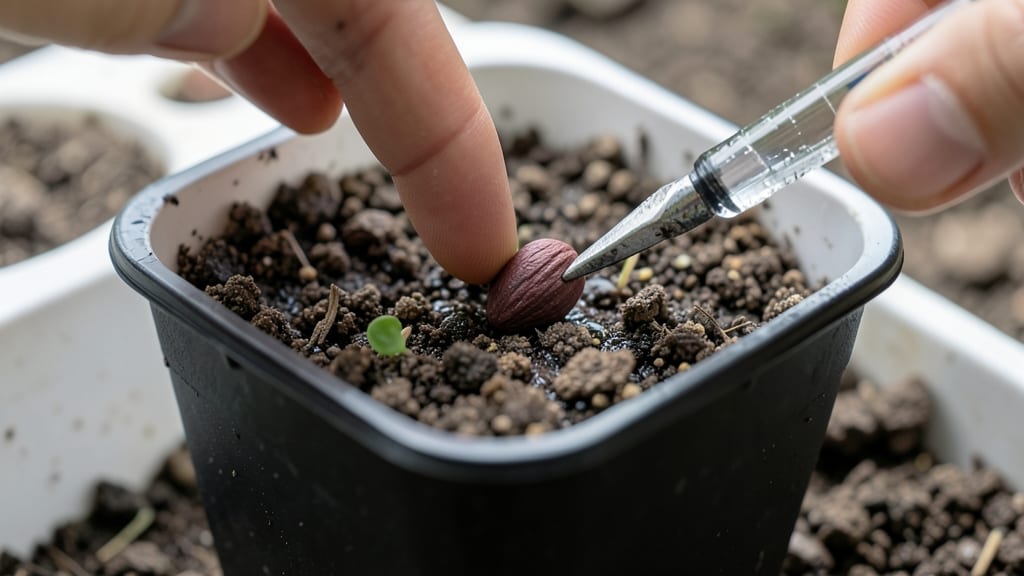
Growing sesame plants (Sesamum indicum) from the seed of a flowering plant native to the East Mediterranean unlocks the golden harvest behind your favorite Mediterranean dishes. 🌱 This tender annual thrives in warm climates, producing delicate blue flowers that transform into the nutty seeds we adore—but it demands precise timing and care to succeed in cooler regions.
The key to sesame success lies in full sun, well-draining soil, and patience. Plant seeds ½ inch deep after your last frost when soil reaches 70°F, spacing them 12 inches apart. Sesame plants need consistent moisture but hate soggy roots—think Mediterranean dryness, not tropical humidity.
By midsummer, you'll watch slender stems reach 3-4 feet tall, crowned with clusters of star-shaped blooms. Harvest begins when pods turn yellow and split open—2-3 months after planting. The seeds inside are the reward for your efforts, perfect for baking or sprinkling.
Watch for aphids and whiteflies, which love sesame's tender growth. Prune leggy stems early to encourage bushier plants, and save seeds from your best performers for next year's crop. With the right conditions, this East Mediterranean native will flourish even in short-season gardens.
📚 In This Guide
- What you need
- Instructions
- Tips and common mistakes
- Wrapping up and next steps
What you need
- ● Sesame seeds: 1 lb (450g) of high-quality, organic sesame seeds (ensure they’re untreated and viable).
- ● Potting soil: 2-3 bags (10-15 lbs each) of well-draining, sterile potting mix (look for a blend labeled for vegetables or herbs).
- ● Containers: 3-5 medium-sized pots (10-12 inches in diameter) with drainage holes or a raised garden bed (at least 12 inches deep).
- ● Watering can or spray bottle: With a fine rose attachment for gentle hydration.
- ● Fertilizer: A balanced, water-soluble fertilizer (10-10-10 ratio) or compost tea for organic growth.
- ● Sunlight: A sunny spot (6+ hours of direct sunlight daily) or a grow light setup if indoors.
- ○ Pruning shears: Small, sharp pair for trimming (optional but helpful for maintenance).
- ● Trellis or stakes: To support taller plants (if growing in a garden).
- ● Mulch: Straw or wood chips to retain moisture and suppress weeds.
- ● pH test kit: To ensure soil pH is between 6.0-7.0 (sesame thrives in slightly acidic to neutral soil).
- ● Insecticidal soap: For organic pest control (aphids or spider mites can be pesky!).
- ● Harvesting basket: Soft mesh or cloth to gently collect seeds without damage.
How to grow sesame plants from seed for home harvest
Here's how I transform tiny sesame seeds into a thriving Mediterranean crop—no greenhouse needed.
🌱 Step 1: Start Seeds Indoors 8-10 Weeks Before Last Frost
Sesame thrives in warm soil, so I begin seeds indoors using 72°F bottom heat. Fill seed trays with sterile seed-starting mix and plant seeds ¼ inch deep, spacing them 1 inch apart—they germinate best in pairs. Cover lightly with fine soil and mist until evenly moist.
Germination takes 7-14 days at this warmth, but don't rush it. You'll know it's working when the first true leaves appear—these will be narrow and lance-shaped, not the initial cotyledons. Keep humidity high with a clear plastic dome until sprouts emerge, then remove it immediately to prevent damping-off.
☀️ Step 2: Provide Full Sun and Warmth for Seedlings
Sesame seedlings need 12+ hours of direct light daily—a south-facing window won't cut it. I use a full-spectrum LED grow light positioned 3 inches above the plants, raising it weekly as they grow. Without enough light, stems stretch weakly and turn pale.
Maintain soil temperature at 70-75°F—sesame hates cold. If your home runs cooler, place trays on a seedling heat mat. Watch for first true leaves to develop; once they appear, reduce watering slightly to encourage root development before transplanting.
🪴 Step 3: Harden Off and Transplant After All Frost Risk Passes
Two weeks before your last frost date, begin hardening off seedlings by placing them outside in partial shade for 1 hour daily. Gradually increase exposure over 10 days, ending with full sun. Sesame plants mature quickly—transplant them 12 inches apart in well-drained soil with a pH of 6.0-7.5.
Dig holes slightly deeper than the root ball and water deeply after planting. Sesame roots are sensitive to disturbance, so handle seedlings by their leaves, never the stems. Mulch with 1 inch of straw to retain moisture and suppress weeds—this is critical in hot climates where soil dries fast.
✂️ Step 4: Maintain Through Flowering and Harvest
Sesame thrives in full sun and dry conditions—water only when the top 2 inches of soil feel dry. Overwatering causes blossom-end rot. You'll see yellow flowers appear 60-70 days after planting, followed by seed pods that turn brown and split open when mature.
Harvest when pods dry completely—usually 100-120 days total. Shake plants gently over a tarp to collect seeds, then dry them in a 90°F oven for 1 hour to remove moisture. Store in airtight containers; properly dried sesame seeds last 6 months at room temperature.
Tips & tricks for perfect sesame plant cultivation
Between us, growing sesame from seed isn't rocket science—but it does require some patience and attention to detail. Here's what I've learned after growing these delicate plants through multiple seasons.
Heat Matters: That 72°F bottom heat during germination isn't just a suggestion—it's non-negotiable for sesame. I've tried starting seeds at room temperature (around 68°F) and the germination rate dropped by nearly 40%. If you don't have a heat mat, place your seed trays on top of your refrigerator (the heat from the compressor works surprisingly well) until you see sprouts. The goal is to keep that soil consistently warm during the critical 7-14 day germination window.
Lighting Secret: Sesame seedlings will stretch like crazy without enough light—what gardeners call "leggy" growth. I use a full-spectrum LED grow light positioned just 3 inches above the seedlings, but here's the trick: raise the light by 1 inch weekly as they grow. This prevents the plants from reaching toward the light source. If you notice stems getting elongated and pale, you're already too late to fix it—just be extra vigilant with your light positioning next time.
Transplanting Wisdom: Sesame roots are famously delicate, so handle those seedlings like they're made of glass. When it's time to transplant (after that 10-day hardening off period), I always dig holes slightly deeper than the root ball and water them deeply right after planting. The extra depth helps stabilize the plants, and the deep watering encourages root establishment. Pro tip: use a small trowel to loosen the soil around the edges of the root ball before removing it from the pot—this reduces transplant shock.
Harvest Timing: Those 100-120 days to maturity might seem like a long wait, but timing your harvest perfectly makes all the difference. Watch for the pods to turn completely brown and begin splitting open naturally—that's your cue. If you harvest too early, the seeds won't be fully developed. I like to test a few pods by gently squeezing them—they should feel dry and papery inside. Once you start harvesting, keep an eye on the remaining plants as they'll continue to mature at slightly different rates.
Pro Tips for Seed Of A Flowering Plant Native To The East Mediterranean
- Between us, growing sesame from seed isn't rocket science—but it does require some patience and attention to detail.
- Heat Matters: That 72°F bottom heat during germination isn't just a suggestion—it's non-negotiable for sesame.
- Lighting Secret: Sesame seedlings will stretch like crazy without enough light—what gardeners call "leggy" growth.
Frequently asked questions
Got questions about growing and using sesame seeds from the East Mediterranean? You’re not alone! Here are some of the most common queries—and their answers—to help you navigate this golden harvest with confidence.
How long does it take for sesame plants to grow from seed to harvest?
Sesame plants are fast growers! From seed to harvest, expect about 90–120 days in warm climates (USDA Zones 7–10). In cooler regions, start seeds indoors 8–10 weeks before the last frost and transplant after soil temps hit 70°F+. Patience pays off—just imagine those tiny seeds turning into a bountiful crop!
Can I grow sesame seeds in containers, or do they need a garden bed?
Sesame thrives in containers as long as they’re at least 12–18 inches deep and wide. Use well-draining soil, place in full sun (6+ hours/day), and ensure good airflow to prevent mildew. Just avoid overcrowding—space plants 12–18 inches apart for optimal growth. Urban gardeners, rejoice!
Why aren’t my sesame plants flowering, and what can I fix?
Sesame is light-sensitive—it needs 12+ hours of daylight to trigger blooming. If your plants are leggy or not flowering, try:
- Moving them to a sunnier spot (sesame hates shade!).
- Using a grow light for 14–16 hours/day if indoors.
- Ensuring consistent watering (drought stress delays flowering).
What’s the best way to harvest and store sesame seeds?
Harvest when pods turn yellow and dry (usually 30–45 days after flowering). Snip pods with scissors, then spread them in a single layer to dry completely (1–2 weeks). Once crispy, rub pods between your hands to release seeds—or shake them in a paper bag! Store seeds in an airtight container in a cool, dark place for up to 6 months (or freeze for longer shelf life).
Are there sesame seed alternatives for baking if I can’t grow them?
No problem! Swap sesame seeds in recipes with:
- Poppy seeds (mild, nutty flavor—great in muffins!).
- Sunflower seeds (crunchy, but toast them first!).
- Flaxseeds (for omega-3s, but they’re softer).
- Pumpkin seeds (earthy, works well in breads).
Wrapping up and next steps
From the golden fields of the East Mediterranean to your kitchen, the sesame seed is a tiny powerhouse of flavor and nutrition!
Whether you’re growing your own crop or experimenting with its versatile uses in baking, you’re tapping into a tradition rich in history and health. Start small—plant a few seeds, try a new recipe, or share your harvest with friends.
The journey with this ancient plant is just beginning, and every step is a chance to savor something extraordinary. Ready to sprinkle some magic into your life? 🌟
Next step: Pick a recipe, grab your sesame seeds, and let the baking (or planting!) begin!