
Size
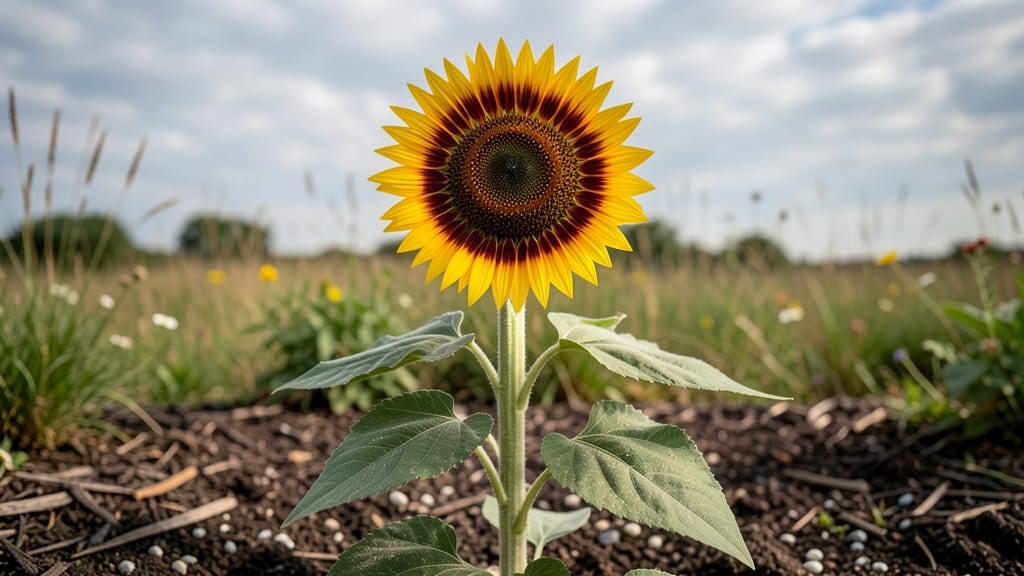
Growing rainbow sunflowers from seed delivers vibrant, multi-colored blooms that turn any garden into a summer showstopper—without the fuss of transplants. 🌻 I’ve grown these cheerful giants for years, and the secret to their effortless success boils down to timing, soil, and a little patience.
These sunflowers aren’t just pretty; they’re stress-free if you follow a few key steps, and you’ll see those first golden faces peeking through the soil in just 60 days. The magic starts with loose, well-draining soil mixed with compost—rainbow sunflowers hate soggy roots.
Plant seeds 1 inch deep in early spring after the last frost, spacing them 6-12 inches apart (closer for shorter varieties, wider for towering types). They’ll need full sun (6+ hours daily) and consistent watering—about 1 inch per week—but they’re surprisingly drought-tolerant once established. The real payoff?
Watching those swirling petals unfold like confetti over your garden by midsummer.
Most gardeners mess up spacing or watering, but here’s the fix: thin seedlings to avoid competition, and mulch around plants to keep moisture steady. Rainbow sunflowers grow 3-7 feet tall, so stake taller varieties if your area gets windy.
The best part? They’re pollinator magnets—bees and butterflies will flock to them like a buffet. By late summer, you’ll be cutting blooms for bouquets or sharing seeds with neighbors (yes, they’re edible too!).
This method works for containers, raised beds, or open ground, and even urban gardeners can grow them in large pots. Start indoors if your season is short, or direct-sow after frost—either way, you’ll have bold, cheerful blooms before you know it.
Ready to add a splash of color? Let’s get those seeds in the soil!
📚 In This Guide
- What you need
- Instructions
- Tips and common mistakes
- Wrapping up and next steps
What you need
- ● Rainbow sunflower seeds: Choose a heirloom or hybrid mix (e.g., 'Autumn Beauty,' 'Moulin Rouge,' or 'Teddy Bear'). Buy 50–100 seeds (or more for larger gardens).
- ● Well-draining potting soil: A 10–20 lb bag of high-quality, organic soil (mix in compost for extra nutrients).
- ● Containers or garden bed: Containers: 5–10 gallon pots (1–2 per plant) with drainage holes.
- ● Garden bed: Full sun (6+ hours/day) and loose, fertile soil.
- ● Watering can or hose with a gentle spray nozzle.
- ○ Fertilizer (optional but recommended): Balanced 10-10-10 fertilizer or fish emulsion (follow package rates).
- ● Slow-release granular fertilizer (mix 1 tbsp per plant into soil at planting).
- ● Gloves (gardening or work gloves to protect your hands).
- ● Trowel or hand shovel for planting and soil prep.
- ○ Stakes or cages (optional but helpful for tall varieties like 'Moulin Rouge'—3–4 ft stakes per plant).
- ● Mulch (straw or shredded leaves to retain moisture—2–3 inches around plants).
- ● Plant markers (small sticks or labels to track varieties).
- ● Access to full sun (6+ hours daily).
- ● Consistent watering schedule (1–2 inches per week, more in heatwaves).
- ● Patience for 60–90 days until full bloom (varies by variety).
Step-by-step instructions for growing rainbow sunflowers from seed
Here's how to grow vibrant sunflowers that'll brighten your garden in just two months.
🌱 Step 1: Choose the Right Variety and Prepare the Soil
Pick a dwarf rainbow mix like 'Autumn Beauty' or 'Moulin Rouge' for compact, colorful blooms. These varieties stay under 4 feet tall and thrive in containers or garden beds. Sunflowers love full sun—at least 6-8 hours daily—so pick a spot where they won’t be shaded by trees or buildings.
Loosen the soil to a depth of 12 inches with a garden fork or tiller. Amend with 2-3 inches of compost to improve drainage and fertility. Sunflowers hate soggy roots, so if your soil drains poorly, mix in sand or perlite to create air pockets. Test the pH—ideal range is 6.0-7.0. If your soil is too acidic, sprinkle lime and work it in a few weeks before planting.
🌱 Step 2: Plant Seeds at the Right Depth and Spacing
Direct-sow seeds ½ inch deep after the last frost when soil temperatures reach 55°F or warmer. For 4 plants, you’ll need about 40-50 seeds—sunflowers germinate quickly, and you’ll thin later. Space seeds 6-12 inches apart in rows 18-24 inches apart to give roots room to spread.
Water the soil 1-2 days before planting to encourage even germination. After sowing, cover seeds lightly with soil and pat down gently. Avoid pressing too hard—you want the soil loose for emerging roots. Place a row cover or plastic sheet over the bed to retain warmth and moisture until sprouts appear, usually in 7-10 days.
☀️ Step 3: Provide Consistent Water and Support for Growth
Water deeply once a week after germination, aiming for 1-1.5 inches of water per week. Let the top 2 inches of soil dry out between waterings—overwatering causes root rot, while underwatering leads to weak stems. Mulch around plants with 2-3 inches of straw or wood chips to retain moisture and suppress weeds.
As plants grow, stake tall varieties with 5-foot bamboo stakes or use tomato cages for support. Tie stems loosely to stakes with soft garden twine every 2-3 weeks to prevent snapping in wind. Watch for aphids or spider mites—spray infested areas with neem oil or a soapy water solution if pests appear.
✂️ Step 4: Thin and Deadhead for Longer Blooms
When seedlings reach 3-4 inches tall, thin to your strongest 4 plants, snipping weaker stems at the base with clean scissors. Leave 6-8 inches of space between remaining plants. This reduces competition for nutrients and encourages larger blooms.
Deadhead spent flowers by snipping the stem below the bloom once petals fade. This redirects energy to new buds, extending the flowering season. Harvest seeds from mature blooms by cutting the entire flower head and drying it upside-down in a paper bag for 2-3 weeks. Store seeds in a cool, dry place for next year’s garden.
🌿 Step 5: Enjoy and Extend the Season
Sunflowers thrive in warm weather, but some varieties like 'Teddy Bear' tolerate light frosts. Cut blooms in the morning for longest vase life—strip lower leaves and place stems in warm water. Re-cut stems every 2 days to keep arrangements fresh.
For a second crop, sow new seeds in late summer—choose fast-maturing varieties like 'Moulin Rouge' that bloom in 50-60 days. Succession planting ensures continuous color from early summer to fall. Save seeds from your healthiest plants for next year’s garden and share extras with neighbors!
Tips & tricks for perfect rainbow sunflower growth
Here's what I learned after growing sunflowers for years—these details make all the difference between average and show-stopping blooms.
Soil Preparation Secret: Don't just loosen the soil—break up any remaining clumps down to that 12-inch depth so roots can penetrate easily. I like to mix in a handful of perlite or sand right where I'll plant, creating little air pockets that prevent waterlogging. This is especially important if your garden sits in a low spot where water pools after rain. The goal is to mimic the well-draining conditions sunflowers love in their native prairie habitats.
Timing is Everything: Those 6-8 hours of full sun are non-negotiable, but what's less obvious is that sunflowers need consistent warmth. Wait until soil temperatures hit at least 55°F—I check this with a soil thermometer in the morning. Planting too early when nights are still cool leads to slow germination and leggy seedlings. If you're in doubt, cover your bed with black plastic for a week to warm the soil faster. This simple step can shave weeks off your growing timeline.
Germination Hack: The 7-10 day germination window can feel like forever, but you can speed things up by soaking seeds overnight in warm water before planting. Just don't let them dry out after soaking! I also find that planting on a cloudy day gives seeds a better chance to establish without drying out too quickly. Once they sprout, remove any row covers immediately to prevent overheating—you want them to harden off quickly.
Support System: When staking your sunflowers every 2-3 weeks, use the "gentle touch" method: wrap the twine loosely around the stem and stake, then tie with just enough pressure to hold it steady. Too-tight ties can strangle stems as they grow thicker. For extra stability, I bury the stake 6 inches deep and angle it slightly toward the plant's expected growth direction—this creates a natural lever that prevents snapping in wind.
Pro Tips for Rainbow Sunflower Seed Grow A Garden
- Here's what I learned after growing sunflowers for years—these details make all the difference between average and show-stopping blooms.
- Soil Preparation Secret: Don't just loosen the soil—break up any remaining clumps down to that 12-inch depth so roots can penetrate easily.
- Timing is Everything: Those 6-8 hours of full sun are non-negotiable, but what's less obvious is that sunflowers need consistent warmth.
Frequently asked questions
about growing rainbow sunflower seeds—because every gardener deserves a little clarity!How deep should I plant rainbow sunflower seeds?
Plant seeds about 1 inch deep in well-drained soil. Press them gently into the earth and cover lightly—no need to bury them deep! Sunflowers have large seeds, so they don’t need extra coaxing to sprout. Just keep the soil moist (not soggy) until germination, which usually happens in 7–14 days.
Can I grow rainbow sunflowers from store-bought seeds?
Store-bought seeds (like those from grocery stores or farmers' markets) will work, but heirloom or non-GMO seeds often yield more vibrant colors and better flavor. If you’re unsure, check the packaging—some seeds are treated to prevent sprouting, so opt for untreated varieties for best results.
Do rainbow sunflowers need full sun all day?
Yes! Sunflowers are sun-worshippers and thrive in 6–8 hours of direct sunlight daily. If your garden gets partial shade, choose a spot with the most sunlight possible. Even 4–5 hours of sun will work, but expect slightly shorter stems and fewer blooms. A sunny windowsill or balcony can work too—just rotate pots for even growth!
Why aren’t my sunflower seeds sprouting?
Don’t panic—sunflowers are tough but need the right conditions. Check these fixes:
- Temperature: Seeds need soil temps of at least 55°F (13°C). Use a heat mat if planting early.
- Moisture: Keep soil damp (not waterlogged) but avoid overwatering.
- Depth: Plant no deeper than 1 inch—too deep = slower sprouting.
- Freshness: Old seeds (over a year) may fail. Test with a paper towel germination test if unsure.
Will rainbow sunflowers grow back every year?
Rainbow sunflowers are annuals, meaning they complete their life cycle in one season. However, they self-seed easily—if you leave seed heads on the plant, they’ll drop seeds that sprout next year! For a guaranteed return, collect seeds from mature heads (let them dry on the plant) and replant. Pro tip: Deadhead spent blooms to encourage more flowers!
Wrapping up and next steps
Growing rainbow sunflowers is a rewarding journey that brings vibrant color and joy to your garden in just 60 days! With the right seeds, soil, and a little patience, you’ll enjoy towering blooms that attract pollinators and brighten your space.
Whether you’re a beginner or a seasoned gardener, these cheerful giants are the perfect way to add a pop of nature’s artistry to your outdoor haven.
Ready to dive in? Start small—pick a sunny spot, grab your seeds, and let your garden bloom with confidence! 🌻✨