
Lawn
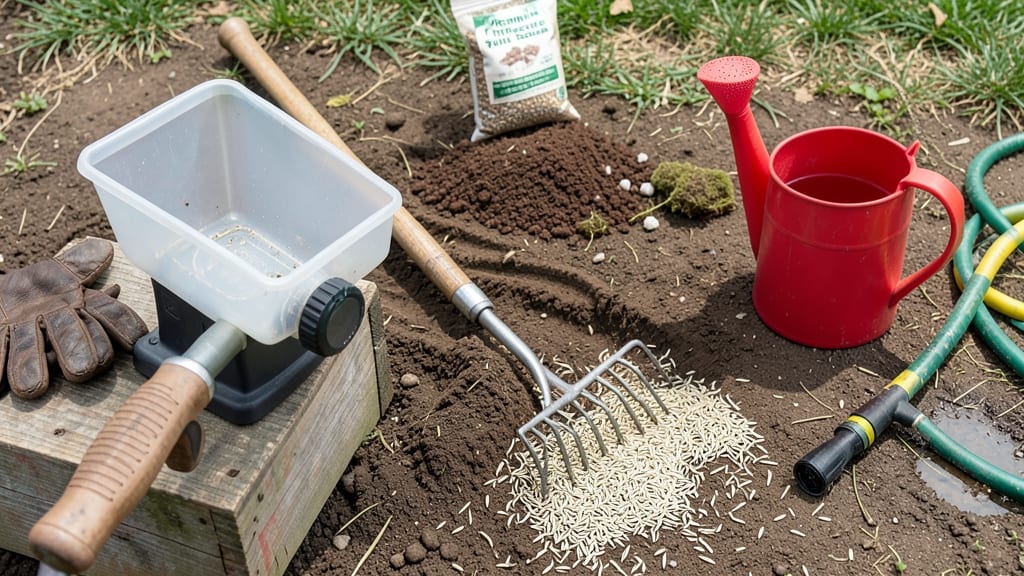
Fall is the perfect time to put the grass seed down when temperatures hover between 50°F and 65°F—the sweet spot for germination without the summer heat or winter freeze. 🌱 I’ve learned the hard way that skipping this window means struggling with patchy lawns or wasted seed.
The secret lies in how cool weather helps roots establish before dormancy, while avoiding the drought stress of summer or frost damage of winter.
You’ll need a few simple tools: a rake, grass seed (choose cool-season types like fescue or ryegrass), a spreader, and a light layer of straw to protect the seed.
The prep work is half the battle—mow low, loosen the soil, and rake away debris so seeds make direct contact with the earth. This isn’t rocket science, but it is the difference between a thick lawn and a sad, sparse one.
Once planted, the real magic happens with watering: keep the soil consistently moist (not soggy) for the first 2-3 weeks—that’s when roots take hold. A light layer of mulch helps retain moisture and shields seeds from birds or drying winds.
By late fall, you’ll see blades sprouting, and with proper care, your lawn will outperform spring plantings by a mile.
This method works across most climates, though timing varies—Zone 5 gardeners should aim for late August to early September, while Zone 8 can push to October.
The key is acting before the first hard frost. Trust the process, and you’ll have a lawn so lush it’ll make your neighbors jealous.
📚 In This Guide
- What you need
- Instructions
- Tips and common mistakes
- Wrapping up and next steps
What you need
- ● Grass seed: Choose a high-quality, cool-season blend (e.g., tall fescue, Kentucky bluegrass, or perennial ryegrass). Aim for 5–10 lbs per 1,000 sq ft, depending on your lawn’s condition.
- ● Soil amendment: Compost (2–3 inches) or topsoil (for thin or bare spots) to improve seed-to-soil contact.
- ● Fertilizer: A starter fertilizer (high in phosphorus, like 10-20-10) to boost root growth. Use ½ lb per 100 sq ft.
- ● Mulch or straw: ¼-inch layer of straw mulch (not hay!) to retain moisture and protect seeds from birds.
- ● Lawn rake: A bow rake or garden rake to loosen soil and smooth the surface.
- ● Broadcast spreader: For even seed distribution (manual or drop spreader for precision).
- ● Hand spreader: For smaller areas or edging.
- ● Garden hose: With a soaker nozzle for gentle watering.
- ○ Lawn roller (optional): Lightweight (80–100 lbs) to press seed into soil (skip if soil is loose).
- ● Gloves & knee pads: Because comfort matters! 😉
- ● Test your soil: A pH test kit (ideal range: 6.0–7.0). Adjust with lime (to raise pH) or sulfur (to lower) if needed.
- ● Clear debris: Remove rocks, weeds, and thatch (use a dethatcher if thatch is >½ inch thick).
- ● Check the forecast: Plant when 5–7 days of warm, steady rain (or consistent watering) are in the forecast.
- ● Mow short: Cut existing grass to 1–1.5 inches before seeding.
Step-by-Step instructions for putting grass seed down in fall
Fall is the perfect time to grow a lush lawn—here's how to do it right.
🪴 Step 1: Prepare the Soil for Optimal Germination
Start by testing your soil's pH with a kit—ideal for cool-season grasses is 6.0-7.0. If needed, add lime to raise pH or sulfur to lower it, following package instructions. Then, till the top 4 inches of soil to loosen compaction and remove debris. This ensures seeds make direct contact with moist, aerated soil.
Rake the area smooth with a stiff-bristled rake, creating a fine seedbed. You'll know it's ready when the surface looks like a well-sifted flour pile—no clumps or rocks. This step is critical because uneven soil leads to patchy germination. Water the prepared area lightly to settle the soil before seeding.
🌱 Step 2: Spread Seed Evenly for Uniform Growth
Use a broadcast spreader for large areas or a hand spreader for small patches. Walk in opposite directions to ensure even coverage—aim for 1-2 pounds of seed per 100 square feet for most cool-season grasses. For high-traffic areas, increase to 2-3 pounds per 100 square feet.
I like to spread half the seed in one direction, then the other half perpendicular—this prevents thin spots. Lightly rake the area again to press seeds into the soil, but don't bury them more than ¼ inch deep. Deeper planting delays germination because seeds need light to sprout.
💧 Step 3: Water Consistently for Germination Success
Keep the soil surface moist but never soggy for the first 2-3 weeks. Water lightly 2-3 times daily—just enough to dampen the top ½ inch of soil. Use a gentle sprinkler or hose attachment to avoid washing seeds away. You'll see germination in 5-14 days, depending on temperature and seed type.
Once seedlings reach 2 inches tall, reduce watering to 1 inch per week, including rainfall. This encourages deep root growth. I set a rain gauge to track moisture—overwatering smothers new grass, while underwatering stresses it. Adjust your schedule based on what you feel when you touch the soil.
☀️ Step 4: Protect New Grass from Environmental Stress
Fall's cooler temperatures help seeds germinate, but sudden cold snaps can damage tender new grass. If frost is forecast within 2-3 weeks of seeding, cover the area with a light layer of straw or burlap. This protects seedlings without suffocating them. Remove the cover during the day to allow sunlight.
Also, avoid foot traffic until the grass reaches 3-4 inches tall. Even gentle steps can uproot seedlings. If pets or kids can't resist, redirect them to a different area of the yard. You'll know it's safe to walk on it when the blades spring back upright after being pressed down.
⏰ Step 5: Maintain Through Winter for Spring Strength
Continue watering as needed until the grass reaches 3 inches tall, even in winter. Dormant grass still needs moisture to survive. In late fall, apply a light layer of compost or mulch to retain moisture and suppress weeds. This also feeds the soil as it breaks down over winter.
By spring, your lawn will be thick and resilient. The key is patience—fall seeding rewards you with a head start on summer's heat stress. I always mark seeded areas with flags so I remember to avoid mowing until the grass is at least 3-4 inches tall in spring.
Tips & tricks for perfect fall grass seed germination
Fall seeding success comes down to these small but mighty details that make all the difference between patchy results and a lush lawn.
The Soil Texture Test: After tilling in Step 1, run your hand over the prepared area—it should feel as smooth as a freshly sifted flour pile. Any clumps or rocks will create bare spots where seeds won't make contact with moist soil. I like to use a stiff-bristled rake in a crosshatch pattern to break up any remaining lumps that might have missed the tilling.
Seed Spread Strategy: In Step 2, the perpendicular spreading method I use creates a natural crosshatch pattern that eliminates thin spots. For extra precision with small areas, try this: measure your space first, then divide the total seed amount by 2 and spread each half in opposite directions. This ensures you're hitting exactly 1-2 pounds per 100 square feet without overcrowding.
Watering Timing Secret: Those first 2-3 weeks in Step 3 require vigilance—water in the early morning so the soil has time to dry slightly before evening. I set a timer for every 8 hours to remind myself, especially on windy days when evaporation happens faster. A simple spray bottle test works too: if the top ½ inch of soil feels dry when you squeeze it, it's time to water again.
Frost Protection Hack: When covering seedlings in Step 4, use lightweight materials like burlap or even old towels rather than heavy blankets. These allow sunlight to filter through while still providing insulation. I've found that removing covers for just 2-3 hours during sunny days gives seedlings enough light to continue growing without overheating.
Pro Tips for Putting Grass Seed Down In Fall
- Fall seeding success comes down to these small but mighty details that make all the difference between patchy results and a lush lawn.
- The Soil Texture Test: After tilling in Step 1, run your hand over the prepared area—it should feel as smooth as a freshly sifted flour pile.
- Seed Spread Strategy: In Step 2, the perpendicular spreading method I use creates a natural crosshatch pattern that eliminates thin spots.
Frequently asked questions
Got questions about timing, prep, or troubleshooting your fall grass seed project? Here are answers to the most common concerns—so you can tackle your lawn with confidence!
When is the perfect time to plant grass seed in fall?
Fall seeding works best in cool-season climates (like the Northeast or Midwest) between mid-August and early October. Aim for 6–8 weeks before your first hard frost—this gives seeds time to germinate and establish roots before winter. In warmer zones, plant in early fall (September–October) to avoid summer heat stress.
Do I need to remove all the old grass before seeding?
Not necessarily! If your existing grass is thin or patchy, dethatch or scalp it lightly (mow low) to expose soil. For dense turf, use a slit seeder or core aerator to create small openings for seeds. Avoid full removal unless you’re overseeding a completely dead lawn—this can disrupt soil structure.
What’s the best way to keep seeds from washing away after planting?
Use a starter fertilizer with a light mulch layer (like straw or peat moss) to protect seeds. Water gently but frequently—aim for ¼ inch of moisture daily (or every other day) until germination. Avoid heavy watering, which can dislodge seeds. A seeding blanket can also help in windy areas.
Can I use grass clippings as mulch instead of straw?
Grass clippings can work in moderation, but they’re riskier because they can mat down and block sunlight. If you use them, let them dry completely first and spread them thinly (¼ inch max). Straw or peat moss is safer—it insulates seeds better and won’t smother them as they sprout.
Why isn’t my grass seed germinating after 2–3 weeks?
Slow germination often means moisture, temperature, or soil contact issues. Check your soil—it should stay consistently moist (not soggy) and 60–75°F for optimal growth. If seeds aren’t making contact with soil, lightly rake them in. Patience is key—some cool-season grasses (like fescue) take 14–21 days to sprout!
Should I fertilize right after seeding?
Yes! Use a low-nitrogen starter fertilizer (5–10%) at planting to fuel early root growth. Avoid high-nitrogen blends, which can burn tender seedlings. Wait 6–8 weeks after germination before applying a maintenance fertilizer. Organic options like compost tea also work well for gentle nutrition.
Wrapping up and next steps
Fall is the perfect time to sow grass seed for a lush, resilient lawn—thanks to cooler temps and fewer weeds! By following these steps, you’ll set your yard up for success with minimal effort. Remember: patience and prep pay off.
Now that you’re armed with the know-how, take action! Grab your tools, mark your calendar, and enjoy the satisfaction of a vibrant lawn come spring. 🌱 Your future lawn will thank you!
- Next step: Schedule your seeding day (aim for early fall for best results).
- Pro tip: Keep a lawn journal to track progress and adjust next year!