
Propagation
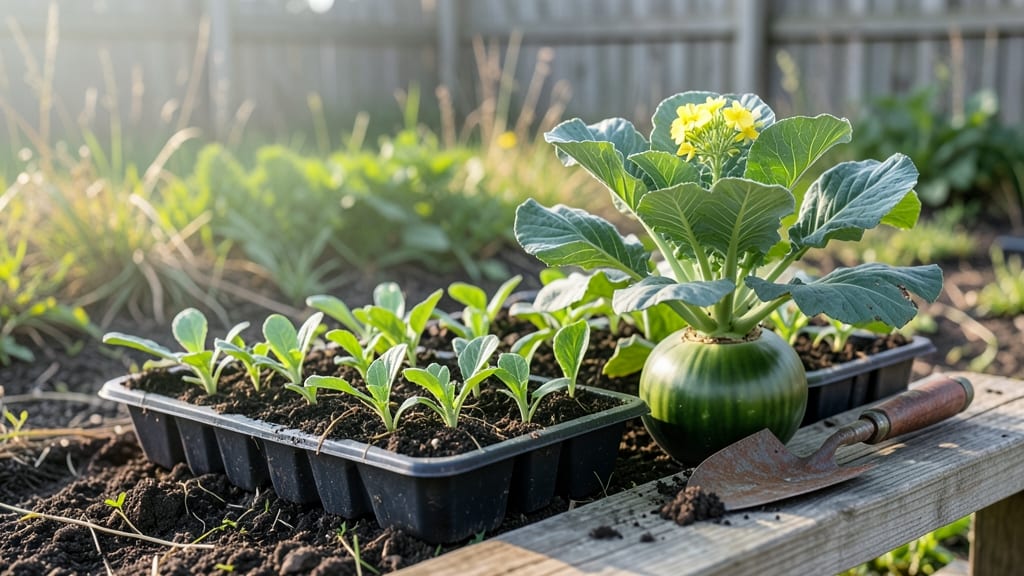
Planting kohlrabi seeds gives you crisp, homegrown bulbs in just 50 days—faster than most garden vegetables. 🌱 I learned the hard way that these seeds need perfect timing and soil conditions, or they’ll bolt before you get a single harvest.
The secret is cool weather, consistent moisture, and patience during germination. Most gardeners overlook soil temperature—kohlrabi seeds need 50-60°F soil to sprout reliably. I use a soil thermometer to check before planting, and I’ve found that adding a thin layer of compost at planting time improves germination rates.
Space seeds 1 inch apart in rows 18 inches apart, and plant them ½ inch deep—any deeper and they’ll struggle to break through. Once sprouted, keep the soil evenly moist (not soggy) and watch for those first true leaves.
That’s when you’ll see the real magic: dark green, wrinkled leaves that signal healthy growth. Thin seedlings to 6 inches apart when they’re 2 inches tall—this prevents competition and gives each plant room to bulk up.
This method works in cool-season climates (zones 3-8) and even in containers if you have enough sunlight. The key is staying consistent with water and watching for pests like flea beetles—those tiny holes in leaves can derail your harvest if you’re not careful.
📚 In This Guide
- What you need
- Instructions
- Tips and common mistakes
- Wrapping up and next steps
What you need
- ● Kohlrabi seeds – Choose organic, non-GMO varieties like 'Purple Vienna' or 'White Vienna' (1–2 oz packet covers ~100 sq ft).
- ● Garden soil – Well-draining, fertile loam (pH 6.0–7.0). Amend with compost (2–3 cups per sq ft) for nutrients.
- ● Garden bed or containers – Minimum 12-inch-deep space (containers need drainage holes).
- ● Watering can or hose – With a gentle spray nozzle for seedlings.
- ● Row marker or stakes – To space seeds 1–2 inches apart in rows 18–24 inches apart.
- ● Organic mulch – Straw or shredded leaves (1–2 inches thick) to retain moisture.
- ● Seedling heat mat ($15–$25) for early starts indoors.
- ● Floating row covers ($10–$20) to protect from pests.
- ● Slow-release fertilizer (5–10–10 NPK ratio) for faster growth.
- ● pH test kit ($10–$15) to ensure soil is ideal.
Step-by-step instructions for planting kohlrabi seeds
Here's how I get crisp, ready-to-harvest kohlrabi in just 6-8 weeks—no transplants needed.
🌱 Step 1: Choose the Right Time and Location
Kohlrabi thrives in cool weather, so aim for planting 4-6 weeks before your last frost date in spring or 8-10 weeks before first frost in fall. I always check my local frost dates because kohlrabi bolts (goes to flower) in heat, and that turns the bulbs bitter.
Select a spot with full sun to partial shade—morning sun with afternoon shade works best in hot climates. The soil should drain well but retain moisture; kohlrabi roots expand quickly and need consistent dampness without soggy conditions. I test drainage by digging a hole, filling it with water, and watching how fast it drains—if it takes longer than 30 minutes, I amend with compost.
🌱 Step 2: Prepare the Soil for Optimal Growth
Kohlrabi prefers loose, fertile soil with a pH between 6.0 and 7.0. I mix in 2-3 inches of compost or well-rotted manure into the top 6 inches of soil to improve texture and fertility. Avoid fresh manure—it can burn tender seedlings.
Break up clumps and remove rocks or debris larger than 1 inch to prevent root obstruction. Kohlrabi bulbs form just below the soil surface, so a smooth, fine-textured bed ensures even growth. I like to rake the area lightly after amending to create a fine, crumbly texture—this helps seeds make good contact with the soil for faster germination.
💧 Step 3: Sow Seeds at the Correct Depth and Spacing
Plant seeds ½ inch deep and 2 inches apart in rows spaced 18 inches apart. Kohlrabi seeds are small, so I use the toothpick method: dip a toothpick in water, touch it to a seed, then place it in the soil. This prevents overcrowding and makes thinning easier later.
Water gently after sowing to settle the seeds without displacing them. I use a fine-mist spray nozzle or a watering can with a rose attachment—avoid heavy streams that can wash seeds away. Keep the soil consistently moist until germination, which typically occurs in 7-14 days, depending on temperature.
☀️ Step 4: Thin Seedlings and Maintain Even Moisture
Once seedlings reach 2 inches tall, thin to 4-6 inches apart to prevent competition. Use sharp scissors to snip unwanted seedlings at soil level—this avoids disturbing the roots of nearby plants. I always thin on a cloudy day to reduce stress on the remaining seedlings.
Water deeply 1-2 times per week, providing 1 inch of water total. Kohlrabi bulbs swell with moisture, so consistent watering is key. I check soil moisture by feeling the top 1 inch—if it’s dry, it’s time to water. Mulch with 2 inches of straw or grass clippings to retain moisture and suppress weeds, which compete for nutrients.
✂️ Step 5: Harvest at Peak Crispness
Kohlrabi is ready to harvest when the bulb reaches 2-3 inches in diameter, about 6-8 weeks after sowing. The leaves should still be vibrant green—yellowing indicates the bulb is past its prime. I harvest by gently twisting the bulb from the soil, leaving the leaves attached to continue growing for a few more harvests.
For continuous harvests, sow new seeds every 2-3 weeks during the growing season. Kohlrabi stores poorly, so I prioritize fresh eating or quick pickling. If left too long, the bulbs become woody and tough—harvesting at the right size ensures tender, sweet flavor.
Tips & tricks for perfect kohlrabi planting
These direct-sow secrets will help you grow crisp, tender kohlrabi bulbs in record time.
Timing is Everything: The 4-6 week window before last frost is critical for spring planting—kohlrabi bolts quickly when temperatures rise above 75°F. I check my local frost dates using the National Weather Service app and mark my calendar with colored stickers. For fall plantings, the 8-10 week window gives bulbs time to mature before winter sets in. If you're in a hot climate, consider morning sun with afternoon shade to prevent bolting.
Soil Science Matters: That 6.0-7.0 pH range isn't arbitrary—it's where kohlrabi absorbs nutrients most efficiently. I test my soil with a simple home test kit before planting. If your soil tests below 6.0, add pelletized lime according to package instructions 2-3 months before planting. For compacted soil, work in perlite or coarse sand to improve drainage while maintaining moisture retention—kohlrabi roots need both.
Germination Hack: The 7-14 day germination window can feel like an eternity, but there's a trick: soak seeds overnight before planting. Place them in a damp paper towel in a sealed container for 12 hours, then plant immediately. This jump-starts germination and gives you visible sprouts in just 5-7 days. Just remember to plant the soaked seeds at the same ½ inch depth—they won't need deeper planting.
Thinning Technique: When seedlings reach 2 inches tall, thinning to 4-6 inches apart might seem drastic, but it's worth it. I use the two-finger method: pinch the seedlings between thumb and forefinger, leaving just the root in the soil. This prevents disturbing nearby plants' roots. For large batches, I thin in stages—first to 3 inches apart, then to final spacing 1 week later, which gives plants more time to establish.
Pro Tips for Planting Kohlrabi Seeds
- These direct-sow secrets will help you grow crisp, tender kohlrabi bulbs in record time.
- Timing is Everything: The 4-6 week window before last frost is critical for spring planting—kohlrabi bolts quickly when temperatures rise above 75°F.
- Soil Science Matters: That 6.0-7.0 pH range isn't arbitrary—it's where kohlrabi absorbs nutrients most efficiently.
Frequently asked questions
Got questions about planting kohlrabi seeds?
You’re not alone—this crisp, versatile veggie has a few quirks! Here are the answers to the most common queries to help you grow a thriving crop.
When is the best time to plant kohlrabi seeds?
Kohlrabi thrives in cool weather, so aim to plant seeds 4–6 weeks before your last frost date in spring or 8–10 weeks before your first fall frost. Avoid hot summers—temps above 75°F (24°C) can cause bolting (flowering too soon). For year-round growing, try succession planting every 2–3 weeks in mild climates.
How long does it take for kohlrabi to grow from seed?
Kohlrabi is a speedy grower! From seed to harvest, expect 50–60 days for mature bulbs. Young leaves (like spinach) are edible in just 3–4 weeks. For best flavor, harvest when bulbs are 2–3 inches wide—they’ll get woody if left too long.
Can I plant kohlrabi seeds indoors first?
Kohlrabi seeds germinate best in direct soil, so skip the indoor start. They dislike transplanting and may develop a bitter taste if disturbed. Instead, sow seeds ½ inch deep in well-drained soil, 1 inch apart, and thin seedlings to 6–12 inches apart once they’re 2–3 inches tall.
What pests or diseases should I watch for?
Kohlrabi attracts cabbage worms, flea beetles, and aphids. Use row covers early to deter pests, or spray with neem oil. Watch for clubroot (a soil-borne disease)—rotate crops and avoid waterlogging to prevent it. If leaves yellow or wilt, check for root maggots and treat with diatomaceous earth.
What can I grow instead of kohlrabi if it’s not working?
If kohlrabi proves tricky, try these cool-season alternatives with similar growing habits:
- Turnips: Fast-growing, edible greens + roots (harvest greens first!).
- Daikon radishes: Mild flavor, great for stir-fries, and tolerate heat better.
- Broccoli raab: Peppery greens, ready in 30–40 days.
- Brussels sprouts: Longer season (90+ days) but rewarding for winter harvests.
Wrapping up and next steps
Planting kohlrabi seeds is a rewarding journey—one that delivers fast, crisp, and nutritious harvests with minimal fuss! By following these direct-sowing secrets, you’ll enjoy a bountiful crop in just 6-8 weeks, perfect for fresh eating or creative recipes. 🌱
Now that you’re armed with the know-how, roll up your sleeves and get sowing! Start small with a few seeds, experiment with varieties, and soon you’ll be reaping the sweet rewards of your hard work. Ready to grow? Grab your gloves and let’s make this season your most productive yet!