
Lawn
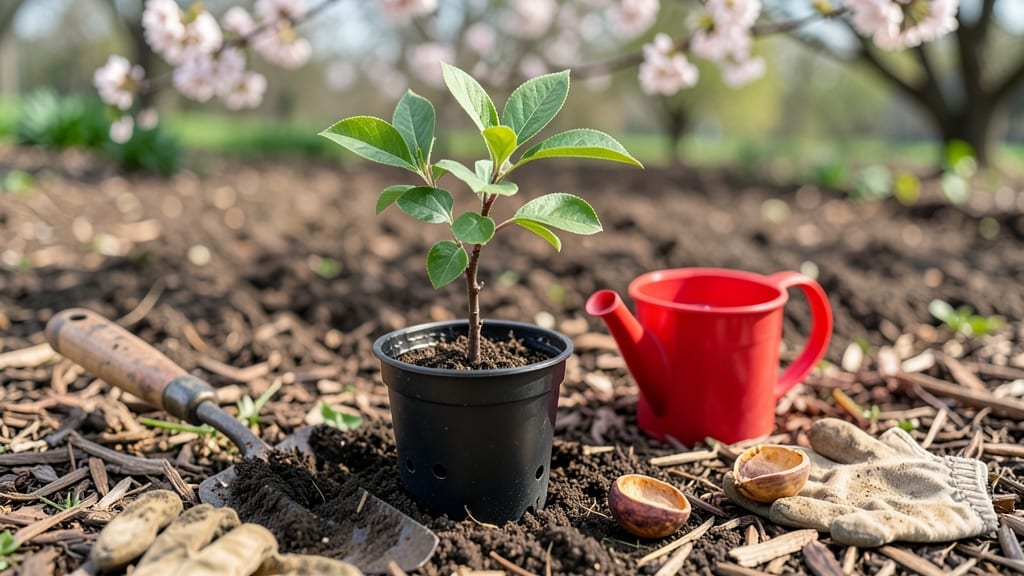
Planting peach tree seeds isn't just possible—it's the 60-day adventure that lets you grow your own fruit tree from scratch. 🌱 I've watched those first tiny sprouts push through the soil and turned them into thriving trees, and you can too, even if you've never grown a tree before.
The key is patience and the right conditions: warm soil, consistent moisture, and a spot where the seedling won't outgrow its welcome. Most people give up after three weeks when nothing happens, but those stubborn seeds often surprise you with growth by day 45.
You'll need a sunny window or greenhouse space to keep them cozy until they're ready for the ground.
By the end of two months, you'll have a sturdy young tree with its first real leaves unfurling. The roots will be strong enough to handle transplanting, and with proper care, you could see your first peaches in 3-5 years—though they won't be store-quality until year 7 or 8.
This method works best in zones 5-9 where peach trees thrive naturally. If you're in a cooler climate, start seeds indoors 8-10 weeks before your last frost date. The real reward? A tree with roots in your land and stories in its branches.
📚 In This Guide
- What you need
- Instructions
- Tips and common mistakes
- Wrapping up and next steps
What you need
- ● Peach seeds – 3–5 fresh, plump seeds (harvested from ripe, organic peaches for best results).
- ● Small pots or seed trays – 3–4 (4–6 inches deep) with drainage holes.
- ● Well-draining potting mix – 2–3 bags (look for a blend labeled for seeds or seedlings).
- ● Plastic wrap or humidity dome – To create a mini greenhouse effect.
- ● Spray bottle – For gentle watering (avoid over-saturating the soil).
- ● Grow lights or sunny windowsill – A south-facing window or LED grow light (12+ hours/day).
- ● Seed scarification tool – Sandpaper or a knife to nick the seed coat (speeds up germination).
- ○ Heating mat – Optional for warmer climates (70–80°F speeds up sprouting).
- ● Fertilizer (balanced, low-nitrogen) – Like 10-10-10, diluted to half-strength for seedlings.
- ● Labeled markers – To track planting dates and seed varieties.
- ● Garden gloves – Protects hands from soil and seed residue.
Step-by-step instructions for growing peach trees from seed
Here's how I get peach seeds to sprout reliably—no fancy tools required.
🌱 Step 1: Extract and Stratify the Seeds
Remove the pit from a ripe peach and crack it open carefully—you'll find the seed inside. Don't wash it yet. Place the seed between two damp paper towels, then fold them to enclose it completely. Put the wrapped seed in a sealed plastic bag and refrigerate for 6-8 weeks. This cold treatment mimics winter and breaks seed dormancy.
Check the towels weekly—they should stay moist but not soggy. If they dry out, mist them lightly. After 6-8 weeks, the seed will feel slightly softer when pressed. This means it's ready to germinate. Real talk: Skipping stratification means waiting months (or never seeing) sprouts.
💧 Step 2: Prepare the Germination Container
Fill a small container (like a 4-inch pot) with well-draining potting mix—I use a blend of 50% peat moss and 50% perlite. Moisten it until damp but not dripping. Plant the stratified seed 1 inch deep, pressing gently but not firmly. Peach seeds need darkness to germinate, so cover the pot with a black plastic bag secured with a rubber band.
Place the container in a warm spot (around 70-75°F), like on top of your fridge. Germination can take 3-6 weeks, so patience is key. You'll know it's working when you see a tiny sprout pushing through the soil—don't peek under the bag until then!
☀️ Step 3: Transplant the Seedling
Once the seedling reaches 4-6 inches tall and has at least 2-3 true leaves, it's time to move it. Choose a larger pot (6-8 inches) with fresh potting mix. Dig a hole deep enough to bury half the seedling's stem—this encourages root growth. Gently remove the seedling from its original pot, keeping the root ball intact.
Water thoroughly after transplanting, but avoid overwatering. The soil should stay moist but not waterlogged. Place the pot in bright, indirect light for a week to help the seedling adjust. After that, gradually introduce it to full sun (6+ hours daily). You'll see new leaves emerge within a week—that's your signal everything is working.
🌿 Step 4: Care for the Young Tree
Keep the soil consistently moist but never soggy. Peach trees hate "wet feet," so ensure the pot has drainage holes. Fertilize lightly every 4-6 weeks with a balanced, water-soluble fertilizer (10-10-10) diluted to half strength. Prune any leggy growth to encourage bushier development.
By 60 days, your seedling should be sturdy and ready for outdoor planting (if your climate allows). If frost is still a risk, keep it indoors near a sunny window. Real talk: The first year is about building roots, not fruit—so focus on strong growth, not harvests.
Tips & tricks for stress-free peach tree seed germination
Here's the thing—growing a peach tree from seed isn't just about patience, it's about precision. These small details make all the difference between a thriving seedling and a failed experiment.
Stratification Success: When you're refrigerating those seeds for the required 6-8 weeks, place them in a sealed bag with a tiny hole for airflow. I learned this the hard way—condensation builds up and can rot the seed. Also, check the seed weekly—it should feel slightly softer after those 6-8 weeks, but if it's mushy, you've over-moistened. A gentle squeeze test works best.
Container Selection: That 4-inch pot recommendation isn't just about size—it's about drainage. If you don't have a pot with holes, create your own by poking 3-4 small holes in the bottom with a nail. Peach seeds hate soggy conditions, and proper drainage is your first line of defense against root rot. I've ruined seeds this way, trust me.
Light Transition Strategy: When moving your seedling from indirect light to full sun in Step 3, do it gradually over 5-7 days. Start with 2 hours of direct sun, then add an hour each day. Sudden exposure can shock the delicate leaves, causing them to turn brown. Think of it like sunbathing—you wouldn't go from zero to 6 hours of sun in a day either.
Fertilizer Timing: Those 4-6 week intervals for fertilizer might seem long, but young peach seedlings are sensitive to over-fertilizing. Use half the recommended strength on the package, and always water the soil first. This prevents root burn, which can stunt your tree's growth. I've seen seedlings wilt dramatically from too much fertilizer too soon.
Pro Tips for Peach Tree Seed Planting
- Here's the thing—growing a peach tree from seed isn't just about patience, it's about precision.
- Stratification Success: When you're refrigerating those seeds for the required 6-8 weeks, place them in a sealed bag with a tiny hole for airflow.
- Container Selection: That 4-inch pot recommendation isn't just about size—it's about drainage.
Frequently asked questions
Got questions about growing peach trees from seed? You’re not alone—many gardeners wonder about timing, care, and even whether it’s worth the effort! Here are answers to the most common queries to help you grow confidently.
How long does it take for peach tree seeds to germinate?
Peach seeds typically germinate in 60–90 days when planted indoors (with proper warmth and moisture). Outdoor planting may take longer—up to 6 months—due to cooler soil temperatures. For faster results, start seeds indoors in spring and transplant seedlings after the last frost.
When is the best time to plant peach seeds?
The ideal window is late winter to early spring (indoors) or fall (outdoors, in mild climates). Planting too early (like winter) risks rot, while waiting until summer may delay germination. If you’re in a cold region, stratify seeds (mimic winter) for 3–4 months in the fridge before planting.
Will a peach tree grown from seed produce fruit like the parent tree?
Probably not! Seed-grown trees are unpredictable—fruit may differ in size, flavor, or even ripening time. For reliable fruit, graft peach trees or buy certified nursery stock. If you’re experimenting, enjoy the novelty, but don’t expect commercial-quality peaches.
What should I do if my peach seeds rot or mold?
Rot or mold usually means too much moisture or poor drainage. Fix it by:
- Using sterilized soil (bake soil in the oven for 30 mins or use a seed-starting mix).
- Planting seeds shallowly (½ inch deep) and keeping them lightly moist (not soggy).
- Adding a fungicide (like neem oil) if mold appears.
Can I grow a peach tree from a store-bought peach?
Yes! Just remove the pit, clean off the flesh, and let it dry for 3–5 days. Store-bought peaches are fine, but organic or local varieties may have better germination rates. Avoid pits from hybrid peaches—they’re less likely to sprout true to type.
Pro Tip:
Label your seedlings! Peach trees from seed can look identical, but their growth habits and fruit may vary wildly. Use popsicle sticks or a small garden marker to track each one—you’ll thank yourself later when your one exceptional tree stands out!
Wrapping up and next steps
Growing a peach tree from seed is a rewarding journey that blends patience with the joy of nurturing life from scratch! 🌱 By following these steps—selecting the right seeds, preparing the soil, and providing consistent care—you’ll be well on your way to harvesting fresh, homegrown peaches in just a few years. Remember: while germination may take up to 60 days, your efforts will pay off with a thriving tree and the pride of knowing you grew it yourself.
Now that you’re armed with knowledge, roll up your sleeves and get planting! 🌿 Start with just one seedling, experiment with different varieties, or even share the process with friends.
Happy growing—and may your peach tree flourish into a bountiful centerpiece for your garden! Next step? Mark your calendar for the first frost date and begin prepping your outdoor space.