
Lawn
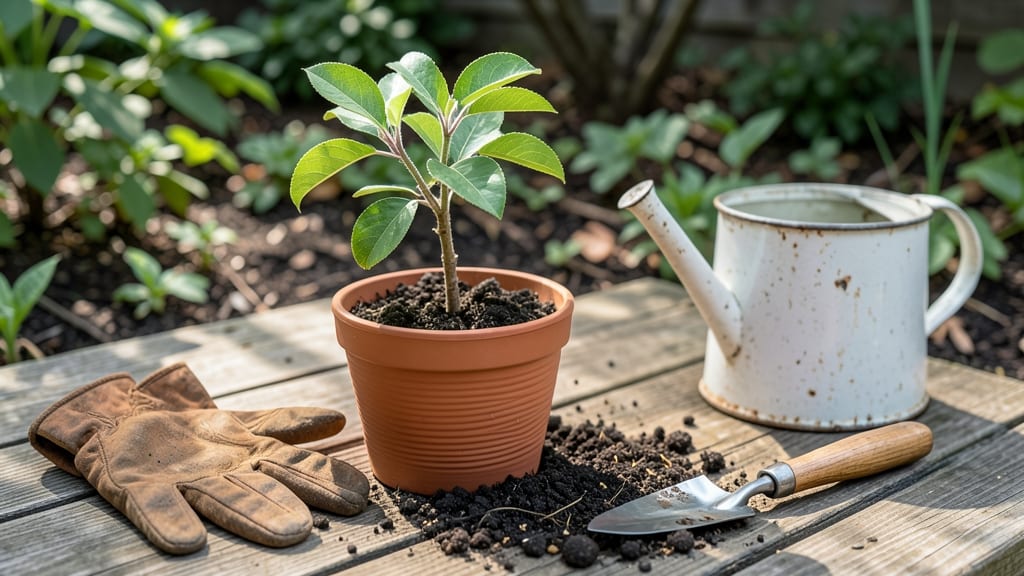
Planting a peach pit seed might seem like a gamble, but with the right approach, you could have a thriving young tree in just 6-8 weeks. ✨ The key lies in breaking dormancy through scarification and stratification—two simple steps that mimic winter's natural cycle and trick the seed into sprouting faster than you'd expect.
Start with fresh pits from organic peaches (store-bought seeds often won't germinate). After cleaning, soak them in warm water for 24 hours, then rub the hard shell with sandpaper to weaken it—this mimics the wear and tear of winter winds.
Next, place them in a damp paper towel in the fridge for 4-6 weeks to simulate cold stratification, the secret to reliable germination.
When you finally plant, bury the pit 2 inches deep in well-draining soil with full sun exposure. Keep the soil consistently moist but not soggy, and within 2-4 weeks, you'll see the first signs of life—a tiny shoot pushing through the soil.
The first leaves might look strange, but don't worry; this is normal for young peach seedlings.
Here's the catch: your tree might not produce fruit like the parent, but the process is rewarding in itself. With patience, you'll have a sturdy young tree ready for transplanting in 1-2 years.
The real magic happens when you see those first fuzzy catkins in spring—proof that your gamble paid off.
📚 In This Guide
- What you need
- Instructions
- Tips and common mistakes
- Wrapping up and next steps
What you need
- ● Peach pit: 1 fresh, organic peach pit (avoid store-bought pits treated with fungicides).
- ● Paper towels or coffee filters: 2–3 sheets (for stratification).
- ● Plastic bag or container: 1 small, sealable bag (e.g., ziplock).
- ● Water: Room-temperature, filtered if possible.
- ● Potting soil: 1 small pot (4–6 inches wide) filled with well-draining, seed-starting mix (avoid garden soil).
- ● Spray bottle: 1 (for gentle watering).
- ● Sunlight or grow light: Access to indirect light or a basic LED grow bulb.
- ● Refrigerator: For cold stratification (if skipping the paper towel method).
- ● Heat mat: 1 (to speed up germination in cooler climates).
- ● Fertilizer: Balanced, water-soluble fertilizer (e.g., 10-10-10) for young seedlings.
- ● Humidity dome: 1 (to retain moisture during early growth).
- ● Permanent pot or garden bed: For transplanting once the seedling is ~12 inches tall.
Step-by-step instructions for germinating peach pits
Here's how to bypass the long wait and get your peach tree growing within weeks.
🌱 Step 1: Extract and Prepare the Seeds
Save fresh peach pits from ripe fruit and remove all flesh immediately—any remaining pulp will rot and kill the seed. Rinse the pit thoroughly under running water to remove any remaining fruit residue. I like to soak the pits in a bowl of water for 10-15 minutes to ensure they're completely clean before drying.
Place the pits on a paper towel and let them dry completely for 24 hours. This step is crucial because damp pits will develop mold during stratification. Once dry, store them in a sealed container in the refrigerator. The key here is patience—peach pits need 6-8 weeks of cold stratification to break dormancy.
💧 Step 2: Stratify for Germination Success
After the drying period, place the pits in a sealed plastic bag with a damp paper towel to maintain moisture. Store them in your refrigerator's crisper drawer, where temperatures stay consistently between 35-40°F. Check them weekly—if the paper towel feels dry, add a few drops of water to keep it damp but not soggy.
This cold treatment mimics winter conditions and signals the seed that spring has arrived. After 6-8 weeks, remove the pits and let them sit at room temperature for 24 hours before planting. You'll know stratification worked when you see a small crack appear in the pit's shell—this is the seedling's root breaking through.
☀️ Step 3: Plant in Well-Draining Soil
Fill a small pot with sterile potting mix and plant the stratified pit 1 inch deep, with the pointed end facing upward. Use a 4-inch pot for each pit to give the young root system room to develop. Water gently until the soil is moist but not waterlogged—peach seedlings hate soggy roots.
Place the pot in a warm, sunny location where temperatures stay above 65°F. A south-facing windowsill or under a grow light works best. Keep the soil consistently moist but never saturated. You should see the first signs of germination—tiny green shoots pushing through the soil—in 2-4 weeks after planting.
🌿 Step 4: Transplant and Care for Young Seedlings
Once the seedlings reach 6 inches tall and develop their first true leaves, it's time to transplant them into larger containers or the garden. Choose a spot with full sun exposure—peach trees need at least 6-8 hours of direct sunlight daily to thrive. If planting outdoors, wait until all danger of frost has passed.
Dig a hole twice as wide as the root ball but no deeper than the pot. Gently remove the seedling, loosen the roots, and place it in the hole, ensuring the top of the root ball sits 1 inch below soil level. Backfill with native soil and water deeply to settle everything in place. Mulch around the base to retain moisture and protect the young roots.
Tips & tricks for perfect peach pit germination
Here’s how to turn those peach pits into thriving seedlings without the usual months-long wait.
Cleanliness is Critical: After rinsing the pits for 10-15 minutes, I recommend using a soft toothbrush to scrub away any stubborn fruit residue from the crevices. This extra step prevents mold during the 24-hour drying period—I’ve seen pits develop mold when even tiny bits of flesh remain. Once dry, store them in a sealed container with a silica gel packet to absorb any lingering moisture during the 6-8 weeks of cold stratification.
Stratification Temperature Matters: The refrigerator’s crisper drawer keeps temperatures between 35-40°F, which is ideal for breaking dormancy. If your fridge runs hotter, place the sealed bag of pits on the bottom shelf instead. I’ve found that consistency is key—fluctuations above 45°F can delay germination. After 6-8 weeks, the small crack in the pit shell signals success, but if you don’t see it, don’t panic—just let them sit at room temperature for another 24 hours before planting.
Planting Depth and Orientation: When planting the stratified pit 1 inch deep in sterile potting mix, ensure the pointed end faces upward—this is where the root will emerge. A 4-inch pot gives enough room for the root system to develop without becoming root-bound. I’ve seen beginners plant pits too shallow, which can expose them to drying out or too deep, which stunts growth. Use a pencil to mark the planting depth if you’re unsure.
Germination Timing and Light: After planting, keep the soil consistently moist but never soggy, and place the pot in a warm, sunny spot above 65°F. A south-facing windowsill or grow light works best. You should see the first green shoots in 2-4 weeks, but if your space is cooler, germination may take slightly longer. Once the seedlings reach 6 inches, they’re ready for transplanting—just ensure they’ve developed their first true leaves before moving them outdoors.
Pro Tips for Peach Pit Seed Planting
- Here’s how to turn those peach pits into thriving seedlings without the usual months-long wait.
- Cleanliness is Critical: After rinsing the pits for 10-15 minutes, I recommend using a soft toothbrush to scrub away any stubborn fruit residue from the crevices.
- Stratification Temperature Matters: The refrigerator’s crisper drawer keeps temperatures between 35-40°F, which is ideal for breaking dormancy.
Frequently asked questions
Got questions about growing peach trees from pits? You’re not alone—this method takes patience and know-how! Below are answers to the most common queries to help you avoid pitfalls and maximize success.
Can I plant a peach pit from any store-bought peach?
Most store-bought peaches are hybrids bred for flavor, not cold hardiness or disease resistance. While they can sprout, the resulting tree may not survive your climate or produce fruit true to the parent. For better odds, use pits from local, heirloom, or organic peaches—or better yet, source seeds from a trusted nursery specializing in fruit trees.
How long does it take for a peach pit to germinate?
Germination can take anywhere from 2 weeks to 6 months, depending on conditions. Cold stratification (replicating winter) speeds this up—most pits sprout within 4–8 weeks after the cold treatment. Patience is key: keep the soil moist and warm (70–80°F) and avoid disturbing the pit during this time.
What’s the best way to speed up germination?
Use a cold stratification method: Place the pit in a damp paper towel, seal it in a plastic bag, and refrigerate for 6–12 weeks. Check weekly for sprouts. Alternatively, plant the pit outdoors in fall—winter’s freeze-thaw cycle mimics natural conditions. Pro tip: Soak the pit in warm water for 24 hours before stratification to soften the shell and kickstart the process!
Can I plant the pit directly in the ground?
Yes! Planting directly outdoors is a low-maintenance option if you live in a mild climate (USDA Zones 5–9). Dig a 2-inch hole, place the pit pointy end up, cover with soil, and water lightly. In colder zones, plant in spring after the last frost. Just know it may take 2–3 years for the tree to mature enough to bloom.
Why isn’t my peach pit sprouting after stratification?
Several factors could stall germination:
- Old or dead seed: Pits lose viability over time—use fresh ones.
- Improper moisture: Soil should stay damp (not soggy) but never dry out.
- Temperature issues: Too cold (<50°F) or too hot (>90°F) can halt growth.
- Fungal rot: If mold appears, replant the pit in fresh, sterile soil.
If nothing happens after 3 months, your pit may not be viable—try another!
Will my peach tree produce fruit?
It’s possible, but not guaranteed! Peach trees grown from pits are often unpredictable—they may take 5–7 years to fruit (if at all) and produce small, irregular peaches. For reliable fruit, graft a known variety onto your seedling later. If you’re growing for ornamental value (beautiful blooms!), the wait is worth it!
Wrapping up and next steps
Planting a peach pit is a rewarding journey that connects you to nature’s cycles—and yes, those delicate blooms are totally within reach! With patience, the right techniques, and a little care, you’ll soon be watching your seedling grow into a tree that could one day bear fruit. Ready to take the next step? Start by gathering a few more pits, experiment with different germination methods, and share your progress with fellow gardeners. 🌱
- Pro tip: Document your process—photos of each stage make the wait even sweeter!
- Need more inspiration? Explore local peach varieties to pick the perfect seed for your climate.