
Propagation
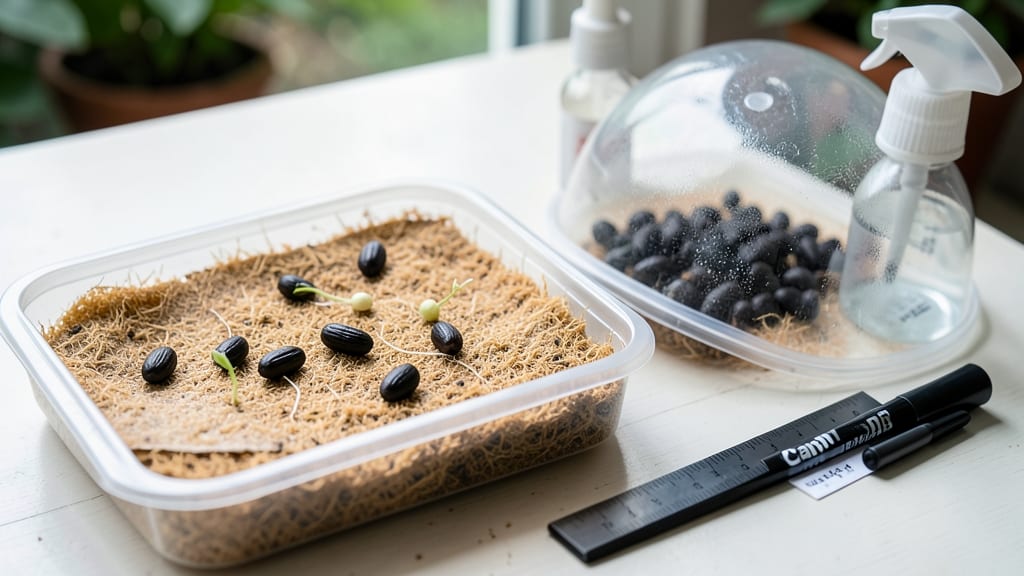
Passion flower seeds need exactly three weeks of patience before they crack open—no twisting required. 🌱 The key to germination starts with harvesting pods at the right moment: when they turn from green to yellowish-brown and begin to split on their own.
If you pick them too early, the seeds won’t be ready; too late, and they’ll dry out or attract pests. You’ll need a shallow tray, well-draining potting mix, and a spray bottle for moisture.
Plant seeds just ¼-inch deep, keep the soil damp (not soggy), and place them in a warm spot—70-75°F is ideal. A clear plastic dome or bag helps maintain humidity without drowning the seeds, which is where most beginners go wrong.
Germination can take 2-4 weeks, and you might see mold first—this is normal, but don’t let it scare you. Brush it off gently and ensure airflow. Once sprouts appear, thin them to 2 inches apart and watch those first true leaves emerge like tiny, intricate fans.
The real magic happens when seedlings develop their first tendrils—signs they’re ready for transplanting. With the right care, you’ll have strong, vine-ready passion flowers in just 8-10 weeks, ready to climb and bloom. Here’s how to keep them thriving.
📚 In This Guide
- What you need
- Instructions
- Tips and common mistakes
- Wrapping up and next steps
What you need
- ● Passion flower seeds: Freshly harvested from ripe, healthy pods (or store-bought, if untreated). Aim for at least 5–10 seeds for better success rates.
- ● Seed-starting mix: A well-draining, sterile potting mix (e.g., 50% peat moss + 50% perlite or vermiculite). Avoid garden soil—it’s too dense!
- ● Containers: Small pots (3–4 inches deep) or seed trays with drainage holes. 3–5 containers should suffice for your seed batch.
- ● Watering can or spray bottle: With a fine mist nozzle to avoid disturbing seeds.
- ○ Plastic wrap or humidity dome: To create a mini greenhouse effect (optional but highly recommended for tropical seeds).
- ● Seedling heat mat: Set to 70–75°F (21–24°C) to speed up germination (passion flowers love warmth!).
- ● Grow lights: LED or fluorescent bulbs (12–16 hours/day) if natural light is weak.
- ● Tweezers: For delicate seed handling (especially if seeds are tiny or sticky).
- ● Label markers: To track planting dates and varieties.
- ● Temperature: Ideal germination range is 70–85°F (21–29°C). Cooler temps? Use a heat mat!
- ● Humidity: Keep soil consistently moist (not soggy). Passion flowers thrive in humidity!
- ● Light: Bright, indirect light once seeds sprout (direct sun can scorch seedlings).
Step-by-step instructions for germinating passion flower seeds
Here's how to turn those twist-free passion flower pods into thriving vines—no fuss, just results.
🌱 Step 1: Harvest and Prepare the Pods
Pick fully mature pods when they turn brown and papery—usually 4-6 weeks after flowering. Cut them from the vine with 2 inches of stem attached using clean pruners. This stem connection helps preserve seed viability during drying.
Lay the pods on a screen or paper towel in a dry, shaded spot. Let them dry completely for 7-10 days—they're ready when they rattle loudly when shaken. Avoid direct sun, which can overheat and crack the pods. Once fully dry, gently twist to open them (that's the "twist-free" trick—no forcing!).
🌿 Step 2: Extract and Stratify the Seeds
Remove the seeds from the pod's fibrous interior. You'll see flat, winged seeds about ½ inch long. Rinse them gently under cool water to remove any pulp residue, then lay them on a clean towel to air-dry for 12 hours. This prevents mold during stratification.
Place the dried seeds in a sealed plastic bag with a damp paper towel (not soaking wet). Store them in the refrigerator for 4-6 weeks. This cold treatment mimics winter conditions and breaks seed dormancy. Check weekly—the towel should stay lightly moist, not dripping.
💧 Step 3: Sow the Stratified Seeds
Fill small pots (2-3 inches deep) with a mix of 50% potting soil and 50% perlite for drainage. Plant seeds ¼ inch deep, pressing lightly but not compacting. Passion flower seeds need light to germinate, so don't cover them completely—just a light dusting of mix.
Mist the soil surface until damp, then cover the pot with clear plastic wrap to retain humidity. Place in a warm spot (70-75°F) away from direct light. Germination takes 2-4 weeks, but patience pays off—some seeds may take up to 8 weeks to sprout.
☀️ Step 4: Transplant and Provide Support
Once seedlings show 2-3 true leaves (not just the initial cotyledons), transplant them into 4-inch pots with regular potting mix. Passion vines grow fast, so give them room to stretch. Bury the stem up to the first set of leaves—this encourages stronger root growth.
Place pots in bright, indirect light for 1 week to acclimate, then gradually introduce morning sun. After 6-8 weeks, when seedlings reach 6 inches tall, provide a small trellis or stake. Passion vines twine naturally, but young plants need guidance to climb properly.
⏰ Step 5: Maintain Moisture and Fertility
Keep soil consistently moist but never soggy—passion vines hate "wet feet." Water when the top 1 inch of soil feels dry, and always water at the base to prevent fungal issues. Fertilize lightly every 4 weeks with a balanced liquid fertilizer (half-strength) once the plants are established.
Watch for leggy growth—a sign of insufficient light. If stems stretch too tall and thin, move the plant closer to a sunny window or under grow lights. You'll know it's thriving when new leaves appear every 2-3 weeks and vines start twining eagerly around supports.
Tips & tricks for perfect passion flower seed germination
Between us, these little tricks will help you avoid the most common pitfalls when working with passion flower seeds—no more wasted pods or slow germination.
Harvesting Timing: I can't stress enough how important that 4-6 week window is after flowering. Pods harvested too early won't be fully mature, while waiting too long means the seeds may have already started to degrade. The brown, papery texture is your best indicator—it should feel dry and papery to the touch, not at all plump or green. If you're unsure, split one open to check the seed color.
Drying Strategy: The 7-10 day drying period is where many people rush—don't! Place your pods in a spot with good air circulation (like a mesh screen over a fan on low) to prevent mold. I've seen pods crack from direct sun exposure, which ruins the seeds inside. Once they rattle loudly when shaken, they're ready. This is also why keeping the stem attached matters—it helps maintain moisture balance during drying.
Stratification Secret: That 4-6 week cold treatment in the fridge is non-negotiable for breaking dormancy. The damp paper towel should stay lightly moist—think of it like a damp sponge, not a dripping washcloth. I like to use a ziplock bag with a tiny air hole punched in it to prevent condensation buildup. Check weekly and add a drop of water if it feels dry. This is where patience pays off—some seeds need the full time, while others might germinate earlier.
Lighting Hack: Passion flower seeds need light to germinate, but not direct sun during the early stages. I place my pots under a grow light on a timer (14 hours on, 10 hours off) for consistent results. The 70-75°F warm spot is crucial—too cold and germination slows dramatically. If your home runs cooler, consider using a seedling heat mat under the pots during this phase. You'll notice the first tiny sprouts peeking through the soil surface in just a few weeks.
Pro Tips for Passion Flower Seed Germination
- Between us, these little tricks will help you avoid the most common pitfalls when working with passion flower seeds—no more wasted pods or slow germination.
- Harvesting Timing: I can't stress enough how important that 4-6 week window is after flowering.
- Drying Strategy: The 7-10 day drying period is where many people rush—don't!
Frequently asked questions
Got questions about germinating passion flower seeds? You’re not alone! Here are answers to the most common queries to help you get started with confidence.
How long does it take for passion flower seeds to germinate?
Germination can take anywhere from 2 to 6 weeks, depending on temperature, moisture, and seed freshness. Keep the soil consistently moist and warm (around 70–80°F) to speed up the process. Patience is key—some seeds may take longer!
Do passion flower seeds need light to germinate?
No, seeds do not need light to sprout—they’ll germinate best in dark, warm conditions. Once the seedlings emerge, you can move them to a bright spot, but keep them out of direct sunlight until they’re stronger.
What should I do if my passion flower seeds won’t sprout?
If seeds aren’t germinating after 6 weeks, try these fixes:
- Check moisture: Overwatering can drown seeds, while dry soil may halt growth.
- Test viability: Soak seeds in warm water for 24 hours—if they sink, they’re likely viable.
- Adjust temperature: Use a seedling heat mat if your home stays too cool.
- Try scarification: Lightly sand or nick the seed coat to help water penetrate.
Can I plant passion flower seeds directly outside?
Yes, but only in warm climates (USDA Zones 8–11). Wait until after the last frost and plant seeds ½ inch deep in well-draining soil. In colder areas, start seeds indoors 8–10 weeks before the last frost for better success.
Are there alternatives if germination fails?
If seeds refuse to sprout, consider:
- Layering: Propagate from stem cuttings (root in water or soil).
- Buying young plants: Nurseries often sell healthy passion flower starts.
- Patience with stratification: Some seeds benefit from a cold, damp period (mimic winter conditions).
Wrapping up and next steps
Growing passion flowers from seed is a rewarding journey that blends patience with the joy of nurturing life! By mastering twist-free pod harvesting and understanding the ideal conditions for Passion flower seed germination, you’ve unlocked the secret to a thriving vine.
Whether you’re a seasoned gardener or just starting, your efforts will soon bloom into stunning, fragrant flowers—and maybe even delicious fruit!
Ready to watch your seeds sprout? Plant your freshly harvested seeds in well-draining soil, keep them cozy under a heat mat, and stay consistent with moisture. In no time, you’ll be tending to lush passion vines that’ll be the envy of your garden! 🌱✨