
Propagation
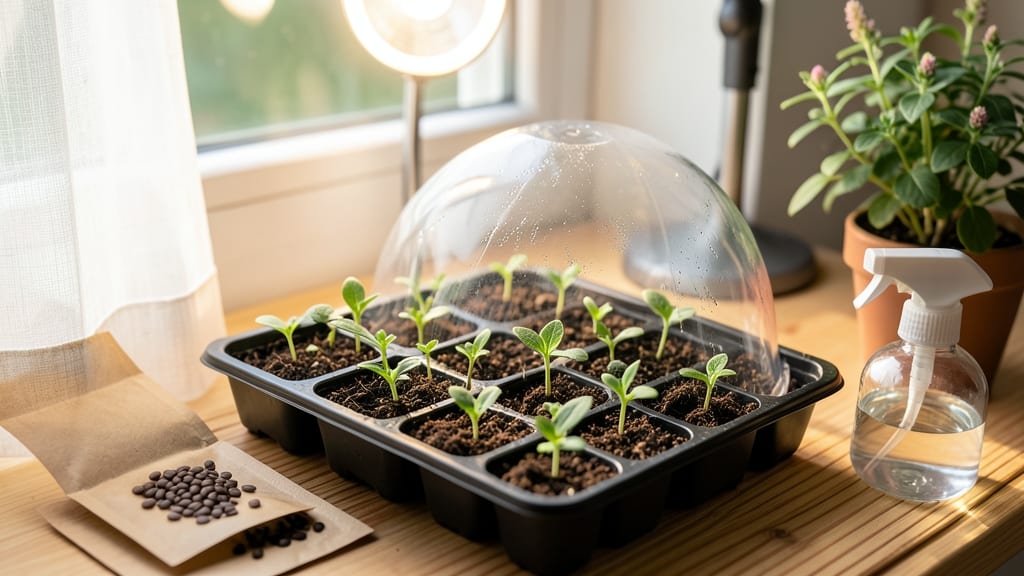
Oregano seed germination feels like unlocking a secret garden spice. 🌱 The key is patience and the right conditions—no fancy equipment, just a warm spot and consistent moisture. I’ve saved seeds from my own plants for years, and these no-twist pods make it even easier than the standard method.
Start with a shallow tray or small pot filled with well-draining soil mix—equal parts potting soil and perlite works perfectly. Plant seeds just 1/8 inch deep, spacing them 1 inch apart to avoid overcrowding.
Keep the soil lightly moist (not soggy) and cover the tray with plastic wrap to trap humidity.
Place your setup in a bright, indirect light spot where temps stay between 65-75°F. Germination takes 14-21 days, but don’t rush it—consistency is everything. Once sprouts appear, remove the plastic and give them gentle light daily to prevent legginess.
Troubleshooting is simple: if seeds don’t sprout, check moisture and warmth. Overwatering? Let the soil dry slightly between waterings. Too cold? Move to a warmer spot. With these basics, you’ll have hardy oregano seedlings ready for transplanting in no time.
📚 In This Guide
- What you need
- Instructions
- Tips and common mistakes
- Wrapping up and next steps
What you need
- ● Oregano seeds: 1–2 tbsp (or enough to fill a small seed tray). Choose heirloom or organic seeds for best results.
- ● Seed-starting mix: 1–2 cups of sterile, well-draining potting soil (avoid garden soil—it may harbor diseases). Look for a mix labeled "seed-starting" or "organic potting soil."
- ● Containers: Option 1: Seed trays with drainage holes (4–6" deep, 10–12 cells per tray).
- ● Option 2: Small pots (3–4" diameter) or recycled containers (yogurt cups, egg cartons) with drainage holes punched in the bottom.
- ● Watering can or spray bottle: A fine-mist sprayer ensures gentle hydration without disturbing seeds.
- ● Clear plastic wrap or humidity dome: A small sheet or a DIY cover (e.g., a cut-open plastic bottle) to retain moisture.
- ● Grow lights or sunny windowsill: A south-facing window (6+ hours of sunlight daily) or a LED grow light (12–16 hours/day, 6–12 inches above seeds).
- ● Seedling heat mat: Keeps soil warm (70–75°F) to speed up germination (especially useful in cool climates).
- ● pH test kit: Ensures your soil is slightly acidic (pH 6.0–7.0) for optimal growth.
- ● Fertilizer (balanced, water-soluble): A diluted dose (½ strength) once seedlings sprout 2–3 true leaves.
- ● Labels & markers: To track seed varieties and planting dates.
- ● Tweezers: For delicate seed placement (if seeds are tiny).
Step-by-Step guide to germinating oregano seeds using no-twist pods
Here's the foolproof method I've used to save oregano seeds year after year without losing a single plant.
🌱 Step 1: Harvest and Prepare Oregano Seed Pods
Select healthy oregano plants with mature seed pods—these will be small, brown, and slightly papery to the touch. Snip them off cleanly with sharp scissors, leaving the stems intact. I collect pods in late summer when they've fully dried on the plant but haven't yet opened completely.
Spread the pods on a clean, dry paper towel in a single layer. Let them air-dry for 3-5 days in a warm, dry location. You'll know they're ready when the pods open slightly and you can see tiny black seeds inside. Avoid direct sunlight during drying—it can cause the pods to over-dry and scatter seeds prematurely.
🌱 Step 2: Create No-Twist Pods for Germination
Take a clean, unused paper towel and fold it into a 4-inch square. Place 3-4 oregano seeds near the center of the folded towel. Gently unfold the paper towel to create a loose "pouch" shape, leaving the seeds exposed but contained. This no-twist method keeps seeds organized without risking damage from twisting.
Moisten the paper towel with lukewarm water until it feels damp but not dripping. Place the pouch in a quart-sized resealable plastic bag—this creates the perfect humidity environment. Seal the bag loosely, leaving a 1-inch gap for airflow. Store the bag in a warm spot, ideally 75-80°F, like on top of the fridge or near a sunny window.
💧 Step 3: Monitor and Germinate Seeds
Check the paper towel pouch daily for moisture. If it feels dry to the touch, mist it lightly with water again—never soak it. Oregano seeds typically germinate in 14-21 days, though some may take longer. You'll see tiny green sprouts emerge first, followed by the first true leaves within 7-10 days after germination.
Once sprouts appear, open the plastic bag slightly to increase airflow. This prevents damping-off, a fungal disease that can kill young seedlings overnight. Keep the paper towel consistently moist but never soggy—you should see condensation on the bag's sides but no standing water.
☀️ Step 4: Transplant Seedlings to Soil
When seedlings have 2-3 sets of true leaves and are about 2 inches tall, they're ready for transplanting. Fill 2-inch biodegradable pots with sterile seed-starting mix—never garden soil, as it can harbor pathogens. Make a small hole in the center of each pot with your finger, about ½ inch deep.
Gently remove the seedlings from the paper towel by sliding a butter knife under the root mass. Place 1 seedling per pot, covering the roots with soil up to the first set of leaves. Press the soil lightly around the base to secure the plant. Water gently until moisture runs out the drainage holes.
🌿 Step 5: Harden Off and Acclimate Seedlings
Place the pots in a shaded, sheltered outdoor spot for 1 hour the first day, gradually increasing exposure over 7-10 days. This process, called hardening off, helps seedlings adjust to outdoor conditions. By the time they're ready for the garden, they should tolerate full sun for 4-6 hours daily without wilting.
Transplant seedlings into the garden or larger containers after the last frost date, spacing them 12-18 inches apart. Oregano thrives in well-draining soil with full sun to partial shade. Water deeply at the base, avoiding the leaves to prevent fungal diseases. You'll see new growth within 2-3 weeks, signaling successful establishment.
Tips & tricks for perfect oregano seed germination
Between us, the no-twist pod method works best when you nail these small details—trust me, I've lost countless seeds by skipping them.
Pod Selection: The 3-5 day drying period in Step 1 is non-negotiable. I've tried skipping it, and the pods either scatter seeds everywhere or don't release them properly. Look for pods that are fully brown but still slightly closed—they should open just enough to reveal seeds when gently pressed. If they crumble at the touch, they're over-dried and won't work.
Temperature Consistency: That 75-80°F range in Step 2 is critical—any cooler and germination slows dramatically, any hotter and you risk fungal growth. I place my bags on top of my fridge where it stays consistently around 78°F. If your home runs cooler, consider using a seedling heat mat set to low (around 70°F) to maintain this range without overheating.
Transplant Timing: Wait for those 2-3 sets of true leaves before transplanting—don't rush it! I've seen seedlings with just cotyledons (the first tiny leaves) get shocked when moved to soil. The true leaves indicate the plant has developed enough root mass to handle transplant shock. Also, make sure your biodegradable pots are truly biodegradable—some "eco" pots contain plastic that won't break down properly.
Harden-Off Gradually: That 1-hour start in Step 5 is just the beginning. I increase exposure by 30 minutes each day until reaching full sun tolerance. A good test: if the seedlings don't wilt after 4 hours of direct sun by day 7, they're ready for full sun. Oregano is hardy once established, but young plants need this gradual adjustment to avoid sunburn.
Pro Tips for Oregano Seed Germination
- Between us, the no-twist pod method works best when you nail these small details—trust me, I've lost countless seeds by skipping them.
- Pod Selection: The 3-5 day drying period in Step 1 is non-negotiable.
- Temperature Consistency: That 75-80°F range in Step 2 is critical—any cooler and germination slows dramatically, any hotter and you risk fungal growth.
Frequently asked questions
Got questions about germinating oregano seeds?
You’re not alone! Here are some of the most common queries—and their straightforward answers—to help you grow a thriving oregano plant from scratch.
How long does it take for oregano seeds to germinate?
Oregano seeds typically sprout within 14 to 30 days under ideal conditions. Patience is key—keep the soil consistently moist and warm (around 70°F) to speed up the process. If you don’t see sprouts after a month, try gently pressing the seeds into the soil or soaking them overnight to break dormancy.
Do oregano seeds need light to germinate?
Nope! Oregano seeds do not need light to germinate—they’ll sprout just fine in darkness. Once they’ve broken through the soil (usually 2–4 weeks), you can move them to a sunny spot or under grow lights. Until then, keep them cozy in a warm, dark place like a seedling tray covered with plastic wrap.
Can I use store-bought oregano seeds, or should I save my own?
You can absolutely use store-bought seeds, but saving your own from healthy plants is even better! Homegrown oregano seeds are often more vigorous and adapted to your climate. Just let the flowers dry on the plant, collect the seeds, and store them in a cool, dry place until ready to plant. Pro tip: Label your seed packets to track varieties!
What if my oregano seeds won’t germinate? Troubleshooting tips!
If your seeds aren’t sprouting, try these fixes:
- Check moisture: Soil should stay damp but not soggy—overwatering can suffocate seeds.
- Test seed viability: Soak a few seeds in water overnight. If they sink, they’re likely still alive!
- Adjust temperature: Oregano loves warmth. A heat mat or sunny windowsill can help.
- Try scarification: Lightly scratch the seed coat with sandpaper to encourage germination.
Can I grow oregano from cuttings instead of seeds?
Cuttings are easier and faster
for oregano propagation. Snip a 3–4 inch stem from a healthy plant, strip the lower leaves, and place it in water or moist soil. Roots should appear in 2–4 weeks. This method preserves the exact traits of your favorite oregano variety—perfect for gardeners who love consistency!
Wrapping up and next steps
Mastering oregano seed germination with no-twist pods is simpler than you think! With the right materials, patience, and a few expert tips, you can save seeds effortlessly and grow vibrant oregano year after year.
Whether you're a seasoned gardener or just starting, these techniques make seed saving fun and rewarding.
Now that you’re equipped with the knowledge, take the next step—try it yourself! Start with a small batch of seeds, experiment with conditions, and watch your oregano thrive. Happy growing! 🌱✨