
Propagation
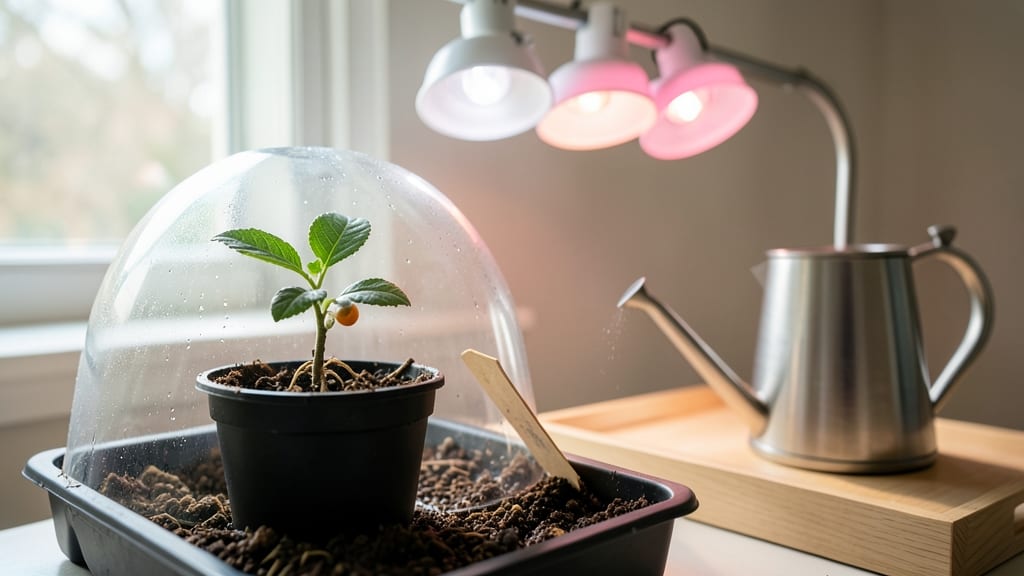
Germinating orange seeds might seem tricky, but cold-stratified sprouts in just 4 weeks prove it’s totally doable. 🌱 I’ve turned grocery-store seeds into tiny citrus trees—here’s how to skip the years of waiting for natural germination and get your seeds growing fast.
The secret lies in mimicking winter’s chill, which breaks the seed’s natural dormancy. You’ll need a few simple supplies: paper towels, a plastic bag, and patience (though the results come faster than you’d expect).
Most seeds start sprouting within 10-14 days of cold treatment, and by week 4, you’ll have sturdy seedlings ready for pots.
Your reward? A fragrant, disease-resistant young tree that’ll thrive indoors or out. The first true leaves appear in about 3 weeks, and with proper care, you’ll have a lush, leafy plant by spring. No fancy equipment—just a little science and a warm windowsill.
This method works for navel, Valencia, or blood oranges, and the same principles apply to other citrus seeds. Whether you’re growing for fun or future fruit, these sprouts are a game-changer for impatient gardeners. Let’s get those seeds growing!
📚 In This Guide
- What you need
- Instructions
- Tips and common mistakes
- Wrapping up and next steps
What you need
- ● Orange seeds: 3–5 fresh, plump seeds (from a Citrus sinensis variety like Valencia or Navel—avoid hybrid or clementines!)
- ● Paper towels or coffee filters: 2–3 sheets (for cold stratification)
- ● Plastic bag or airtight container: Small, sealable (e.g., ziplock bag or Tupperware)
- ● Water: Room-temperature, distilled if possible
- ● Small pots or seed trays: 3–4 (3–4 inches deep) with drainage holes
- ● Potting mix: Seed-starting mix (sterilized, peat-based or coconut coir blend)
- ● Spray bottle: For gentle watering
- ○ Heat mat (optional but helpful): Germination mat set to 70–75°F (21–24°C)
- ● Scissors or knife: For cutting seeds (if needed)
- ● Ruler or measuring tape: To track seed depth (½ inch max)
- ● Fertilizer: Diluted liquid seaweed or fish emulsion (½ strength, post-germination)
- ● Grow lights or sunny windowsill: 6+ hours of light daily (south-facing window or LED grow lights)
- ● Humidity dome or plastic wrap: To retain moisture during germination
- ● Label markers: For tracking seed varieties and dates
Step-by-step instructions for cold-stratifying orange seeds
Here’s the method I’ve used to break through citrus dormancy and get those tiny orange seeds sprouting reliably.
🌱 Step 1: Extract and Clean the Seeds
Cut open a fresh, organic orange—avoid waxed varieties—and scoop out the seeds. Rinse them under cool water to remove any fruit residue, then pat dry with a paper towel. I like to leave them uncovered on a towel for 24 hours to air-dry completely; this prevents mold from forming later during stratification.
Once dry, place the seeds in a small container or paper envelope. Label it with the date—this helps track the 4-week cold treatment period accurately. I’ve found that using a pencil to mark the envelope works best, as ink can smudge when the container gets damp.
🥶 Step 2: Cold-Stratify for Dormancy Break
Fill a resealable plastic bag with a damp paper towel—just enough moisture to keep it damp but not soggy. Place the seeds between the towel layers, then seal the bag. I like to use a quart-sized bag because it’s big enough to hold multiple seeds without crowding.
Store the bag in your refrigerator’s crisper drawer, where temperatures stay consistently between 35-45°F. Check the seeds every 7-10 days to ensure the towel remains damp; if it feels dry, mist it lightly with water. This cold treatment mimics winter conditions and signals the seed to break dormancy.
☀️ Step 3: Warm Up and Plant for Germination
After 4 weeks in the fridge, remove the seeds and let them sit at room temperature for 24 hours to acclimate. This gradual shift prevents shock. Fill small seed-starting pots with a well-draining mix—50% potting soil and 50% perlite—and plant the seeds ½ inch deep.
Cover the pots with plastic wrap or a humidity dome to retain moisture, then place them in a warm spot with indirect light, like a sunny windowsill. You’ll see the first signs of germination in 2-4 weeks, though some seeds may take longer. Keep the soil consistently moist but never waterlogged—citrus seeds rot easily if overwatered.
🌿 Step 4: Transplant and Care for Young Seedlings
Once the seedlings develop 2-3 true leaves (not just the initial cotyledons), transplant them into individual 4-inch pots with fresh potting mix. I like to use biodegradable pots so I can move them directly into the garden later without disturbing roots.
Place the pots in a bright, sunny spot with 6-8 hours of indirect light daily. Avoid direct midday sun until the seedlings are established—you’ll know they’re ready when they’ve developed a sturdy stem and deep green leaves. Fertilize lightly with a diluted citrus-specific fertilizer every 4-6 weeks to encourage healthy growth.
Tips & tricks for perfect orange seed germination
Here's what nobody tells you about getting those stubborn orange seeds to sprout reliably.
Seed Selection: Choose seeds from organic oranges—conventional waxed varieties often contain fungicides that can inhibit germination. The fresher the orange, the better your success rate. I've found that Valencia oranges tend to germinate slightly faster than Navel varieties, though both work well with proper stratification.
Cold Treatment Precision: The refrigerator's crisper drawer maintains the ideal 35-45°F range for cold stratification, but some fridges can vary. If your crisper runs cooler, consider placing the bag on a shelf near the back where temperatures are most stable. The 4-week cold treatment is non-negotiable—citrus seeds need this dormancy break to overcome their natural resistance to germination.
Germination Timing: After removing seeds from cold storage, that 24-hour acclimation period at room temperature is crucial. I've seen seeds that germinated within days after this step, while others took the full 2-4 weeks—patience is key. Keep the humidity dome in place until you see the first signs of sprouting to maintain consistent moisture levels.
Lighting Strategy: While indirect light works well for early stages, you'll eventually need to transition seedlings to 6-8 hours of bright light daily. A simple grow light placed 6-12 inches above the seedlings works wonders if natural light is insufficient. The key is gradual exposure—start with 4 hours of light and increase by 1 hour daily to prevent shock.
Pro Tips for Orange Seed Germination
- Here's what nobody tells you about getting those stubborn orange seeds to sprout reliably.
- Seed Selection: Choose seeds from organic oranges—conventional waxed varieties often contain fungicides that can inhibit germination.
- Cold Treatment Precision: The refrigerator's crisper drawer maintains the ideal 35-45°F range for cold stratification, but some fridges can vary.
Frequently asked questions
Got questions about germinating orange seeds?
You’re not alone! Here are answers to the most common queries to help you grow those citrus sprouts like a pro.
How long does it take for an orange seed to germinate?
With cold stratification, most orange seeds sprout in 2–4 weeks. If you skip stratification, germination can take 6–12 weeks (or never happen!). Patience pays off—keep the soil moist and warm (70–80°F) for best results.
Why do orange seeds need cold stratification?
Cold stratification mimics winter, breaking the seed’s dormancy by simulating natural conditions. Without it, many orange seeds won’t germinate at all. Freeze them (or refrigerate) for 30–60 days before planting for reliable sprouts.
Can I grow an orange tree from a grocery store seed?
Yes! But expect a sour, inedible fruit—grocery store oranges are hybrids bred for sweetness, not propagation. For edible trees, use seeds from navel, Valencia, or blood oranges grown in warm climates (or graft later). Still, it’s a fun experiment!
What if my orange seed moldy or rots?
Mold or rot usually means too much moisture or poor drainage. Fix it by:
- Using sterile, well-draining soil (cactus/succulent mix works).
- Planting seeds shallowly (½ inch deep) to avoid suffocation.
- Avoid overwatering—keep soil damp, not soggy.
- Add a fungicide (like hydrogen peroxide spray) if mold appears.
How do I transplant a germinated orange seedling?
Once sprouts have 2–3 true leaves (not just the first seed leaves), transplant them to 4-inch pots with fresh potting mix. Harden off seedlings by placing them outside for 1–2 hours daily before permanent outdoor planting (after last frost).
Pro Tip:
Label your seedlings! Orange trees can take 5–10 years to bear fruit, and varieties (like Meyer lemon-orange hybrids) can look identical until they bloom. Keep track to avoid surprises!
Wrapping up and next steps
Growing an orange tree from seed is a rewarding journey that blends patience with the joy of nurturing life! With cold stratification and consistent care, you’ll see those first sprouts emerge in just 4 weeks—proof that even the smallest seeds hold big potential. 🌱
Now that you’re armed with the know-how, why not plant that seed today? Grab your supplies, follow the steps, and watch your citrus adventure take root. Before you know it, you could be harvesting homegrown oranges—or even sharing saplings with fellow plant enthusiasts. Happy growing! 🌟