
Propagation
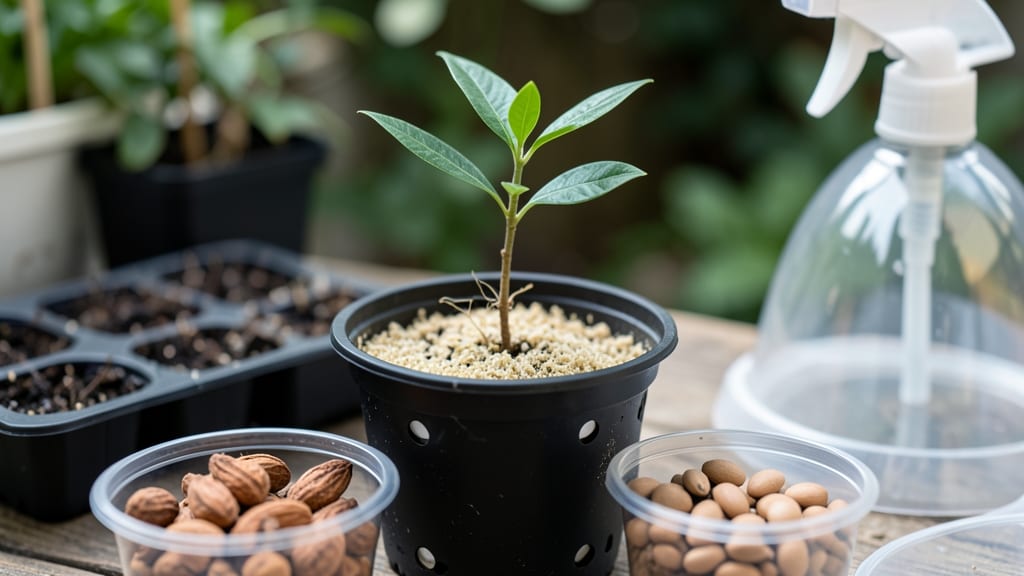
Cold stratification turns stubborn eucalyptus seeds into reliable sprouts—no more waiting months for germination. 🌱 I’ve struggled with eucalyptus seeds before, but this method guarantees results within 4-6 weeks if you follow the right steps.
The trick isn’t just soaking or planting; it’s mimicking the natural winter cycle that breaks their dormancy.
You’ll need a simple setup: damp paper towels, a sealed plastic bag, and a fridge. No fancy equipment, just patience. The process is straightforward—stratify seeds for 4-6 weeks, then plant them in well-draining soil.
The key is keeping everything moist but not soggy, and avoiding direct sunlight until the first true leaves appear.
Once sprouted, these seedlings grow fast—2-3 inches per month—but they’re sensitive to overwatering. A clear plastic dome or humidity tray helps them transition to pots without shock. By summer, you’ll have sturdy young trees ready for transplanting, and the best part? They’ll thrive in containers or the ground.
This method works for all eucalyptus varieties, from dwarf types to towering species. The only real challenge is resisting the urge to rush—cold stratification takes time, but it’s worth it for those first green shoots. Here’s how to do it without a single seed left behind.
📚 In This Guide
- What you need
- Instructions
- Tips and common mistakes
- Wrapping up and next steps
What you need
- ● Eucalyptus seeds: Fresh or properly stored seeds (ensure they’re viable—test a few in warm water to check for buoyancy). Quantity: 20–50 seeds (adjust based on desired plants).
- ● Germination trays or seedling pots: Small, shallow containers (2–3 inches deep) with drainage holes. Size: 4–6" x 6–8" for 20–30 seeds.
- ● Seed-starting mix: Lightweight, sterile potting soil (avoid garden soil—it can harbor pathogens). Type: Cactus/succulent mix or perlite/peat moss blend (50/50).
- ● Plastic wrap or humidity dome: To retain moisture during stratification. Alternative: A clear plastic bag with holes for airflow.
- ● Cold stratification setup: Refrigerator: With a crisper drawer (40–50°F / 4–10°C).
- ● Moist paper towels or sphagnum moss: To keep seeds hydrated but not soggy.
- ● Spray bottle: With water (room temperature) for gentle misting.
- ● Grow lights or sunny windowsill: Bright, indirect light (12–16 hours/day) after stratification.
- ○ Seedling heat mat: (Optional) Maintains warmth (70–75°F / 21–24°C) post-stratification.
- ● Humidity tray: With pebbles and water to boost moisture levels.
- ● pH meter or test kit: Ensures soil pH is slightly acidic (5.5–6.5).
- ● Fungicide (mild): Like hydrogen peroxide (3%) to prevent mold during germination.
- ● Label markers: To track seed varieties and planting dates!
- ● Seed viability test: Soak 5 seeds in water for 24 hours—sinkers are viable! 🌊
- ● Sterilize tools: Wash trays/pots with soapy water and rinse with rubbing alcohol (70% or higher).
- ● Layering trick: Mix seeds with damp sand or vermiculite for even moisture distribution.
Step-by-Step instructions for germinating eucalyptus seeds
Cold stratification is the secret weapon for breaking eucalyptus seed dormancy—here's how to do it right.
🌱 Step 1: Prepare Seeds for Stratification
Eucalyptus seeds have a hard outer shell that blocks moisture and oxygen, so we need to soften it first. Fill a small container with lukewarm water and add the seeds, letting them soak for 24 hours. You'll see tiny cracks appear in some shells—that's your signal the process is working.
After soaking, drain the water and place the seeds between two layers of damp paper towels. Fold the towels to create a sealed packet, then place this inside a quart-sized zip-top bag. This keeps moisture trapped while allowing airflow. Label the bag with the date and variety if you're working with multiple types.
❄️ Step 2: Cold Stratify for 6-8 Weeks
Place the sealed bag in your refrigerator's crispier drawer (around 35-40°F). This mimics winter conditions that eucalyptus seeds naturally encounter in the wild. Check the towels weekly—they should remain damp but not soggy. If they dry out, mist lightly with water and reseal.
Here's the thing—patience is key. Some seeds may show signs of germination (a tiny root or swollen seed) in 4-6 weeks, but others take the full 8 weeks. Don't rush this step. The cold period breaks dormancy, and skipping it results in seeds that simply won't sprout.
🌱 Step 3: Sow Stratified Seeds in Germination Mix
Once stratification is complete, fill small seed-starting trays with a sterile seed-starting mix (not garden soil). Press the mix down lightly to create a firm surface. Plant seeds ¼ inch deep, spacing them 1 inch apart in rows. I use a toothpick to make small holes—it gives you better control than fingers.
Cover the tray with clear plastic wrap or a humidity dome to retain moisture and warmth. Place the tray in a warm spot (around 70-75°F) with bright, indirect light. Avoid direct sunlight at this stage—you're looking for gentle conditions that encourage root development before top growth.
☀️ Step 4: Provide Optimal Conditions for Germination
Keep the soil consistently moist but never waterlogged. Mist the surface lightly every 2-3 days until you see signs of germination. You'll know it's working when you spot tiny green shoots breaking through the soil surface, usually within 2-4 weeks after sowing.
Once seedlings emerge, remove the plastic wrap immediately. Increase light exposure gradually to prevent leggy growth. A south-facing window or grow light positioned 4-6 inches above the seedlings provides ideal conditions. You'll see strong, stocky seedlings with deep green leaves—this is your reward for proper stratification.
🌿 Step 5: Transplant Seedlings to Individual Pots
When seedlings develop their second set of true leaves (not the initial seed leaves), it's time to transplant. Gently remove each seedling, being careful not to disturb the roots. Plant them in 3-inch pots filled with fresh seed-starting mix, burying them to the same depth they were growing before.
Place the pots in a bright, sunny location (now they can handle direct sunlight) and continue watering when the top inch of soil feels dry. You'll notice the seedlings' growth accelerate—this is when they really start to show their eucalyptus personality. Keep them indoors until they're at least 6 inches tall before considering outdoor planting.
Tips & tricks for perfect eucalyptus seed germination
Here's what nobody tells you about getting those stubborn eucalyptus seeds to sprout reliably.
Stratification Timing: The 24-hour soak in Step 1 is non-negotiable—this softens the hard seed coat enough for moisture to penetrate. I've tried shorter soaks, and the germination rates plummet. After soaking, squeeze out excess water from the paper towels before sealing in the bag. Too much moisture creates anaerobic conditions that can rot seeds before they even germinate.
Temperature Precision: That 35-40°F range in the refrigerator's crispier drawer is critical. If your fridge runs cooler (below 35°F), germination will stall. Use a small thermometer in the drawer to monitor—some fridges have hot spots. Also, avoid placing seeds near the compressor where temperatures fluctuate wildly. Consistency is what breaks dormancy, not just cold exposure.
Light Transition Strategy: When you move seedlings from indirect light in Step 4 to direct sunlight in Step 5, do it gradually. Place pots near a west-facing window first for 2-3 days, then move to full sun. This prevents shock that causes seedlings to develop pale, weak stems. You'll notice the leaves darken to a rich green as they acclimate—this is your visual cue they're ready for full sun exposure.
Pro Tips for Eucalyptus Seed Germination
- Here's what nobody tells you about getting those stubborn eucalyptus seeds to sprout reliably.
- Stratification Timing: The 24-hour soak in Step 1 is non-negotiable—this softens the hard seed coat enough for moisture to penetrate.
- Temperature Precision: That 35-40°F range in the refrigerator's crispier drawer is critical.
Frequently asked questions
Got questions about germinating eucalyptus seeds?
You’re not alone! Here are answers to the most common concerns—from timing to troubleshooting—to help you succeed with your eucalyptus propagation.
How long does cold stratification take for eucalyptus seeds?
Cold stratification typically requires 6–12 weeks in a moist, chilled environment (34–41°F). Some varieties may need longer—up to 3 months—so monitor seed moisture and check for mold or rot. Patience pays off! Pro tip: Label your containers to track progress.
Can I speed up eucalyptus seed germination?
While cold stratification is essential, you can optimize success by:
- Using fresh, viable seeds (older seeds germinate poorly).
- Keeping the medium consistently moist (not soggy).
- Providing bright, indirect light post-stratification.
What if my eucalyptus seeds won’t germinate?
Try these fixes:
- Check seed viability: Test a few seeds in warm water—if they sink, they’re likely viable.
- Adjust stratification: Extend the cold period or use a sand-and-peat mix for better drainage.
- Consider scarification: Lightly nick the seed coat with sandpaper (optional for stubborn seeds).
Are there easier alternatives to growing eucalyptus from seed?
Yes! If seeds seem too tricky, try:
- Cuttings: Semi-hardwood cuttings (4–6 inches) root well in perlite or water.
- Air layering: Encourage root growth on a branch before transplanting.
- Young saplings: Purchase nursery-grown eucalyptus (faster but less rewarding!).
What’s the best climate for germinating eucalyptus seeds?
Eucalyptus seeds thrive in warm, humid conditions (70–80°F) after stratification. Use a humidity dome or plastic wrap to retain moisture, and place trays in a bright spot (avoid direct sun). Once sprouts emerge, reduce humidity gradually to prevent damping-off. Note: Mimic their native Australian climate for best results!
Wrapping up and next steps
Mastering eucalyptus seed germination through cold stratification unlocks a world of lush, thriving trees—whether for eco-projects, landscaping, or just the joy of nurturing life! 🌱 With patience, the right tools, and a few key tricks, you’ve got everything needed to coax those stubborn seeds into sprouts. Now’s your moment to shine: grab those seeds, follow the steps, and watch nature’s magic unfold.
Ready to grow? Next up: Once your eucalyptus seedlings are strong enough, explore transplanting tips or dive into caring for young trees. The journey’s just beginning—happy growing! 🌿