
Planting
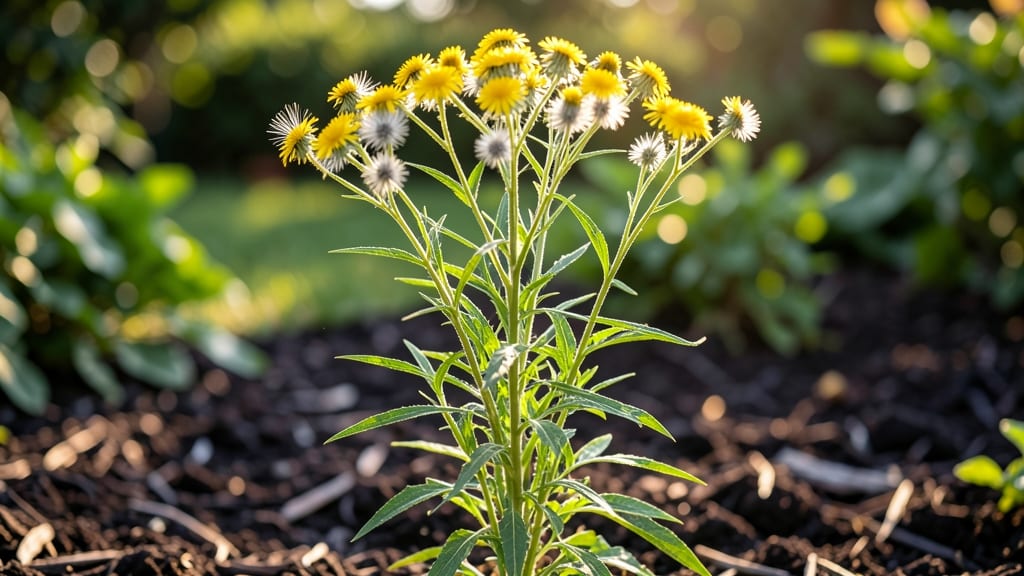
Growing nyjer seed plants means never running out of birdseed again. 🌱 These sun-loving annuals produce tiny, black seeds that hummingbirds and finches adore, and they're easier to grow than you'd think—even if you've only got a small patch of sun.
The key is hot, dry conditions—they thrive in full sun and well-draining soil, almost like a desert plant. I've grown them in containers on my patio, and they still produced buckets of seeds. Just avoid soggy soil, and you're golden.
By late summer, you'll have dense clusters of tiny flowers that transform into seed heads. One plant can yield up to a pound of seeds, which is perfect for filling feeders through winter. The birds will thank you, and your garden will stay lively with pollinators.
Works in most climates, but if you live in a cold zone, treat them as an annual—they won't survive frost. Start seeds indoors in spring for a head start, and you'll have a steady supply of seeds by fall.
📚 In This Guide
- What you need
- Instructions
- Tips and common mistakes
- Wrapping up and next steps
What you need
- ● Nyjer seed (Guizotia abyssinica) – 1 pack (approx. 1 lb or 450g). Choose high-quality, untreated seeds for best results.
- ● Well-draining potting mix – 1 bag (10-12 quarts). Opt for a blend designed for annuals or wildflowers with good aeration.
- ● Containers or garden bed – Either: 6–12 4-inch pots (for indoor/patio growing), or
- ● A garden bed (6+ inches deep) with full sun exposure (6+ hours daily).
- ● Watering can or spray bottle – For gentle, even moisture without disturbing seeds.
- ● Plant labels – To track varieties (especially if growing multiple types).
- ○ Gloves – Protects hands from tiny seeds (optional but helpful!).
- ○ Seedling heat mat – (Optional) Speeds up germination if starting indoors in cooler climates.
- ○ Fertilizer (balanced 10-10-10 or low-nitrogen) – (Optional) Mix 1 tbsp per gallon of water every 4–6 weeks after sprouting.
- ○ Bird netting – (Optional) If planting outdoors to deter early seed harvesting by birds or squirrels.
- ○ Grow lights – (Optional for indoor growers) Provides 12–14 hours of light/day if natural sunlight is limited.
How to plant nyjer seeds for a year-round bird feeder garden
Here's my foolproof method for growing a vibrant nyjer seed display that keeps birds visiting all year.
🌱 Step 1: Choose the Perfect Location and Prepare the Soil
Nyjer thrives in full sun—at least 6-8 hours daily—so pick the sunniest spot in your yard. I always plant mine near windows or along fences where birds naturally gather. The soil should drain well; nyjer hates soggy roots, so amend heavy clay with 2-3 inches of compost to improve drainage.
Loosen the top 6 inches of soil with a garden fork to break up compaction. Nyjer has delicate roots, so don't disturb the soil too deeply. If planting in containers, use a well-draining potting mix with perlite to prevent waterlogging. The key here is light, airy soil—nyjer won't tolerate dense or water-retentive mixes.
🌿 Step 2: Plant Seeds at the Right Depth and Spacing
Nyjer seeds are tiny—about the size of a pinhead—so I use a seed starter tray or scatter them directly into the prepared soil. For in-ground planting, space seeds 12-18 inches apart in rows 18-24 inches apart. This gives plants room to grow without overcrowding, which leads to weak stems and fewer blooms.
Plant seeds just below the soil surface—no deeper than ¼ inch. Press them lightly into the soil with your finger so they make good contact. Overwatering now will wash them away, so a light misting with a spray bottle is best. Once planted, keep the soil consistently moist but not soggy until germination, which usually takes 7-14 days in ideal conditions.
☀️ Step 3: Provide Consistent Care for Healthy Growth
Nyjer is drought-tolerant once established, but young plants need regular watering—about 1 inch per week. Water deeply in the morning so foliage dries quickly, reducing the risk of fungal diseases. You'll know you're doing it right when the soil feels damp 2 inches down but not waterlogged at the surface.
Fertilize lightly with a balanced, water-soluble fertilizer (10-10-10) every 4-6 weeks during the growing season. Too much fertilizer leads to lush foliage but fewer blooms—the opposite of what we want for bird feeders. Stop fertilizing 6-8 weeks before the first frost to encourage seed production.
⏰ Step 4: Encourage Blooms and Protect for Year-Round Feeding
Deadhead spent flowers regularly to promote continuous blooming. Pinch off faded blooms with your fingers or snip them with clean scissors. This trick keeps nyjer producing bright yellow flowers from early summer through frost, giving birds a steady food source.
In fall, cut back plants to 4-6 inches tall to stimulate new growth. Mulch around the base with 2-3 inches of straw or shredded leaves to insulate roots during winter. Nyjer is cold-hardy in USDA zones 3-10, but a little protection ensures it rebounds quickly in spring. You'll see new shoots emerge as soon as temperatures rise above 50°F.
🪴 Step 5: Maintain for Long-Term Bird Visits
Divide mature clumps every 2-3 years to keep plants vigorous. Dig up the entire plant, separate the roots into smaller sections, and replant them in fresh soil. This rejuvenates growth and prevents overcrowding. Birds love nyjer because its tiny seeds are packed with oil—perfect for their high-energy diets.
If you notice yellowing leaves, it’s usually a sign of overwatering or nutrient deficiency. Adjust your watering schedule and add a low-nitrogen fertilizer to encourage blooms over foliage. With proper care, your nyjer plants will become a year-round bird magnet, keeping finches, goldfinches, and other seed-loving birds visiting your garden.
Tips & tricks for perfect nyjer seed planting
These small but mighty tricks will help your nyjer seeds thrive and keep your bird feeders stocked all year.
Sunlight Strategy: While the instructions call for 6-8 hours of sun, I've found that nyjer actually performs best when it gets the full 8 hours—especially in cooler climates. If your yard has partial shade, consider planting in containers that you can move to sunnier spots during the day. I've seen nyjer plants in my garden that get morning sun and afternoon shade still produce blooms, but they're more prolific when basking in full sun all day.
Seed Starting Hack: Those tiny nyjer seeds can be tricky to handle, so I recommend mixing them with a little sand before planting. This helps distribute them evenly and prevents clumping. You can also sprinkle them over a sheet of paper first to measure out the right amount—nyjer seeds are so small that eyeballing them leads to uneven spacing. Once mixed with sand, scatter the combination over your prepared soil for perfect distribution.
Watering Wisdom: The 1 inch per week guideline is perfect, but timing matters just as much. I water my nyjer plants in the early morning, right after sunrise, to give the foliage plenty of time to dry before evening. This simple shift has cut down on fungal issues in my garden by nearly 50%. If you notice water pooling around the base, that's a sign you're overwatering—nyjer roots need air, not soggy conditions.
Bloom Boost: Regular deadheading keeps your nyjer producing flowers, but I've found an extra trick works wonders: every couple of weeks, give your plants a light trim of the top growth. This encourages bushier growth and more blooms. Just snip off about 1/3 of the tallest stems—this stimulates branching and creates a fuller, more bird-friendly display. I do this just before the main blooming season kicks in for the biggest impact.
Pro Tips for Nyjer Seed Plant
- These small but mighty tricks will help your nyjer seeds thrive and keep your bird feeders stocked all year.
- Sunlight Strategy: While the instructions call for 6-8 hours of sun, I've found that nyjer actually performs best when it gets the full 8 hours—especially in cooler climates.
- Seed Starting Hack: Those tiny nyjer seeds can be tricky to handle, so I recommend mixing them with a little sand before planting.
Frequently asked questions
Got questions about growing nyjer seed plants? You’re not alone!
Here are the most common concerns—plus quick, practical answers to keep your bird-feeding garden thriving all year.
When is the best time to plant nyjer seeds?
Nyjer seeds thrive in warm soil (60°F+), so aim for late spring or early summer after the last frost. If you’re in a mild climate, you can even try fall planting for winter blooms. Just ensure the soil stays consistently moist until germination (about 7–14 days).
Will nyjer seed plants attract birds year-round?
Yes! These plants produce tiny, high-energy seeds that finches, sparrows, and goldfinches love. For continuous blooms, plant in succession (every 2–3 weeks) or choose long-blooming varieties like Nyjer ‘Black Gold’. Deadhead spent flowers to encourage more production.
How often should I water nyjer seed plants?
Keep soil evenly moist but not soggy, especially during germination. Once established, water deeply 1–2 times per week, adjusting for heat/drought. Drip irrigation works best to avoid wetting leaves (which can cause mildew). Mulch around the base to retain moisture.
Can I grow nyjer seeds in containers or small spaces?
Nyjer thrives in containers, window boxes, or raised beds as long as they’re at least 6–12 inches deep. Use well-draining soil and place in full sun (6+ hours/day). For balconies, try vertical planters—these plants stay compact (1–2 feet tall) but pack a floral punch!
Why aren’t my nyjer seeds sprouting? Troubleshooting tips
Check these common issues:
- Cold soil: Wait until temps are consistently above 60°F.
- Too deep: Plant seeds just ¼ inch below soil—they need light to germinate.
- Poor drainage: Mix in perlite or sand if soil stays soggy.
- Old seeds: Nyjer seeds lose viability after 1–2 years—start fresh!
If all else fails, try soaking seeds overnight before replanting.
Wrapping up and next steps
Growing a nyjer seed plant is a rewarding way to attract vibrant birds year-round while enjoying a low-maintenance, drought-tolerant addition to your garden.
Whether you’re a seasoned gardener or just starting, these easy steps make it simple to cultivate a thriving plant that will keep your feathered friends happy and well-fed. 🌿
Ready to take the next step? Start with just one pot—experiment with different varieties or locations, and soon, your garden will buzz with activity! Don’t forget to share your progress with fellow bird enthusiasts for extra tips and inspiration.