
Lawn
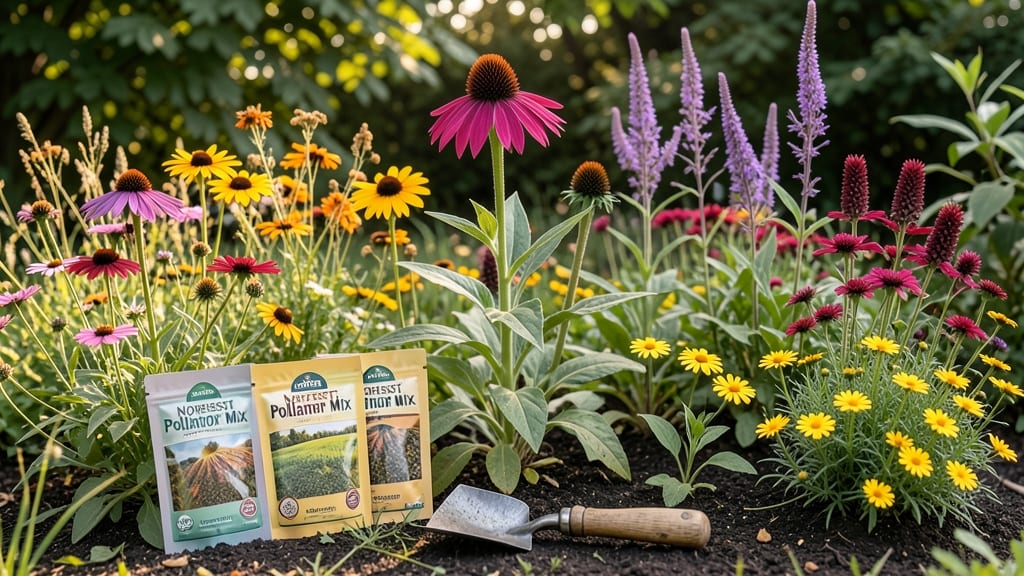
Your Northeast pollinator wildflower seed mix transforms a patch of grass into a buzzing, blooming haven for bees, butterflies, and hummingbirds. 🌸 I planted mine last October, and by June, monarch caterpillars were munching on milkweed while bumblebees feasted on wild bergamot—no pesticides, no fuss, just pure pollinator power.
The secret lies in timing, soil prep, and letting nature take over once the seeds sprout.
The best planting windows are early spring (March-April) or fall (September-October), when soil stays cool and weeds are less aggressive. You’ll need full sun (6+ hours daily) and well-draining soil—amend heavy clay with compost if needed.
Scatter seeds thinly (they’re tiny!) and barely cover them with soil; they need light to germinate. Water gently but don’t soak the area, or the seeds will wash away.
Once established, these wildflowers thrive with minimal care: water once a week during dry spells, pull weeds in early spring, and avoid mowing until after blooms fade. Native species like purple coneflower and black-eyed Susan handle drought like pros, while milkweed attracts monarchs that no other plant can.
By year two, your patch will self-seed, spreading joy (and pollinators) effortlessly.
Pro tip: Add a small water source nearby—a shallow dish or dripping hose—and watch the activity explode. Just avoid over-tilling; these wildflowers prefer undisturbed roots. Whether you’re in New York, Pennsylvania, or Maine, this mix adapts beautifully to the Northeast’s changing seasons. Let’s get those seeds in the ground!
📚 In This Guide
- What you need
- Instructions
- Tips and common mistakes
- Wrapping up and next steps
What you need
- ● Northeast Pollinator Wildflower Seed Mix – 1 lb (or more, depending on area size) (e.g., 1 lb covers ~1,000 sq ft). Opt for organic or native seed blends for best results.
- ● Preparation Tools: Rake or garden hoe (for clearing debris and loosening soil)
- ● Garden trowel or broadcast spreader (for even seed distribution)
- ● Watering can or hose with a gentle spray nozzle
- ○ Soil Amendments (Optional but Helpful): Compost or well-rotted manure (to improve soil fertility)
- ● Mulch (straw or shredded leaves, ~1 inch thick, to retain moisture)
- ● Safety Gear: Garden gloves (to protect hands from thorns or rough soil)
- ● Knee pads (for comfort during planting)
- ● Location & Conditions: Full-sun to partial-sun area (6+ hours of sunlight daily)
- ● Well-draining soil (amend if heavy clay is present)
- ● Access to water (for initial hydration and maintenance)
- ● Pollinator-Friendly Additions: Native wildflower companion plants (e.g., milkweed, coneflowers)
- ● Birdhouses or bat boxes (to support the ecosystem)
- ● Maintenance Tools: Hand pruners (for trimming spent blooms)
- ● Weed barrier fabric (to suppress invasive grasses)
Step-by-step guide to planting your Northeast pollinator wildflower mix
Here’s how to create a thriving, bee-friendly meadow that blooms from spring through fall.
🌱 Step 1: Prepare the Soil for Optimal Germination
Choose a sunny site with at least 6 hours of direct sunlight daily—this mix thrives in full sun but tolerates partial shade in hotter climates. Clear the area of weeds, then loosen the top 4-6 inches of soil with a rake or tiller. Avoid tilling too deeply, as wildflower roots need good contact with the topsoil for quick establishment.
Test the soil pH—most native wildflowers prefer a slightly acidic to neutral range (6.0-7.0). If your soil is heavy clay, amend it with 2-3 inches of compost and mix it in lightly. Compacted soil will smother tiny seeds, so break up any hardpan with a broadfork or by walking on the area before planting.
💧 Step 2: Scatter Seeds Evenly for Natural Meadow Effect
Work in small sections to avoid missing spots. Scatter seeds lightly but uniformly—aim for about 1/8 teaspoon per square foot for a natural look. I like to use a seed spreader or simply toss seeds by hand while walking in a crisscross pattern. Avoid clumping seeds, as dense patches can lead to overcrowding later.
Gently press seeds into the soil with a rake or your foot—just enough to ensure contact with the earth, but don’t bury them more than 1/8 inch deep. A light covering of straw mulch (1/4 inch thick) helps retain moisture and shields seeds from drying winds. Water immediately after planting to settle everything in place.
☀️ Step 3: Water Consistently Until Establishment
Keep the soil evenly moist (not soggy) for the first 4-6 weeks—this is critical for germination. Water lightly every 2-3 days, aiming for 1/4 inch of moisture per week. Overwatering can cause seeds to rot, while underwatering leads to poor germination. You’ll know it’s right when the top inch of soil feels damp but not wet.
Once seedlings appear, reduce watering to once a week unless there’s no rain for 10+ days. Native wildflowers develop deep roots quickly, so they become drought-tolerant after 8-12 weeks. Avoid heavy foot traffic during this phase—tiny sprouts are easily damaged.
✂️ Step 4: Maintain and Encourage Year-Round Blooms
After the first year, mow once annually in late fall or early winter to remove dead growth and prevent weed competition. Set your mower blade to 4 inches high—this protects root systems and encourages new growth. Avoid fertilizing; wildflowers thrive in lean soil and compete poorly with fast-growing grasses.
In the second year, you’ll see full blooms from spring through fall. Deadhead spent flowers occasionally to redirect energy into new growth, but leave some seed heads for pollinators and next year’s crop. If weeds appear, hand-pull them early—wildflowers establish slowly and need space to spread.
🪴 Step 5: Expand and Protect Your Pollinator Habitat
After two years, your meadow will be self-sustaining. To expand, plant additional sections in 2-3 foot strips to mimic natural meadow edges. Avoid planting in large, uniform blocks—this disrupts pollinator foraging patterns and reduces biodiversity.
Leave 20% of the area unmowed each year to provide shelter for overwintering insects. Plant milkweed or other host plants nearby if you want to attract monarch butterflies. A small water source, like a shallow dish with rocks for perching, will complete the habitat and keep pollinators visiting all season.
Tips & tricks for perfect Northeast pollinator wildflower planting
Creating a thriving pollinator garden takes more than just scattering seeds—here's how to maximize success from soil prep to long-term care.
Soil Preparation: The key to successful germination lies in that first step. When loosening the top 4-6 inches of soil, focus on breaking up any hardpan layers without disturbing deeper soil. I use a broadfork for this—it aerates without creating a tilled mess. For clay-heavy soils, mix in compost before loosening to prevent clumping. The goal is to create a loose, crumbly texture that mimics natural meadow soil conditions.
Seed Scattering Technique: That 1/8 teaspoon per square foot measurement might seem precise, but the real art is in the distribution. Walk in a grid pattern while scattering seeds—this prevents clumping and creates a more natural, patchwork appearance. For larger areas, use a seed spreader set to its lowest setting. After scattering, I like to use my foot to gently press seeds into the soil rather than raking, which can bury some seeds too deeply.
Watering Wisdom: The 4-6 week watering window is your critical period—this is when most seeds either thrive or fail. I set a timer for every 2-3 days to maintain consistent moisture, but I always check the top inch of soil first. If it's dry, water lightly; if it's still damp, wait another day. A simple rain gauge helps track that 1/4 inch per week target. Once seedlings appear, I switch to a deep watering method—soaking the roots rather than surface watering—which encourages deeper root development.
Long-Term Maintenance: That annual mowing in late fall serves two purposes: it removes dead growth that could harbor pests and it prevents weed competition. I always set my mower blade to 4 inches high—this height protects the root systems while still allowing sunlight to reach new growth. For the 20% unmowed area, I mark it with stakes so I don't accidentally mow it. This patch becomes a crucial overwintering habitat for beneficial insects.
Pro Tips for Northeast Pollinator Wildflower Seed Mix
- Creating a thriving pollinator garden takes more than just scattering seeds—here's how to maximize success from soil prep to long-term care.
- Soil Preparation: The key to successful germination lies in that first step.
- Seed Scattering Technique: That 1/8 teaspoon per square foot measurement might seem precise, but the real art is in the distribution.
Frequently asked questions
When is the best time to plant this seed mix?
The ideal window is late summer to early fall (August–September), as cooler temps help seeds establish roots before winter. For spring planting, aim for early March–April once the soil is workable. Pro tip: If planting in late fall, cover seeds lightly with straw to protect them from frost.
How often should I water after planting?
Keep the soil consistently moist (not soggy) for the first 4–6 weeks—watering lightly 2–3 times per week. Once seedlings sprout, reduce to 1–2 times weekly, focusing on deep watering. Drought-tolerant once established, but young plants need love!
Will this mix attract pests like mosquitoes?
Not at all! This blend excludes moisture-retaining plants (like cattails) that breed mosquitoes. Instead, it draws beneficial pollinators (bees, butterflies) while deterring pests. Bonus: Dense blooms create a natural barrier for unwanted critters.
Can I plant this in partial shade?
While this mix thrives in full sun (6+ hours/day), some shade-tolerant varieties (like wild bergamot) may still germinate in partial shade (<50% sun). For best results, pair it with sun-loving perennials or plant in the sunniest spot of your yard.
What if my seeds don’t sprout?
Try these fixes:
- Scarify seeds: Lightly scratch the seed coat with sandpaper or a file to break dormancy.
- Stratify: Mix seeds with moist sand, refrigerate for 2–4 weeks, then plant.
- Check soil: Ensure it’s loose, well-draining, and ¼” deep (no deeper).
- Patience: Some native seeds take 2–3 years to fully bloom!
Can I mix this with other flowers?
Pair it with native grasses (like little bluestem) or perennials like coneflowers for a pollinator paradise. Avoid invasive species (e.g., mint, kudzu) to protect local ecosystems. Pro tip: Group plants by sun/water needs for harmony.
Wrapping up and next steps
Transforming your lawn into a thriving pollinator paradise is easier—and more rewarding—than you think! With a Northeast Pollinator Wildflower Seed Mix, you’re not just adding beauty; you’re creating a lifeline for bees, butterflies, and other essential pollinators.
Start small, stay consistent, and watch your garden buzz with activity all season long.
Ready to take the next step? Order your seeds today and begin planting—your local ecosystem (and your future blooms!) will thank you. 🌸🐝