
Lawn
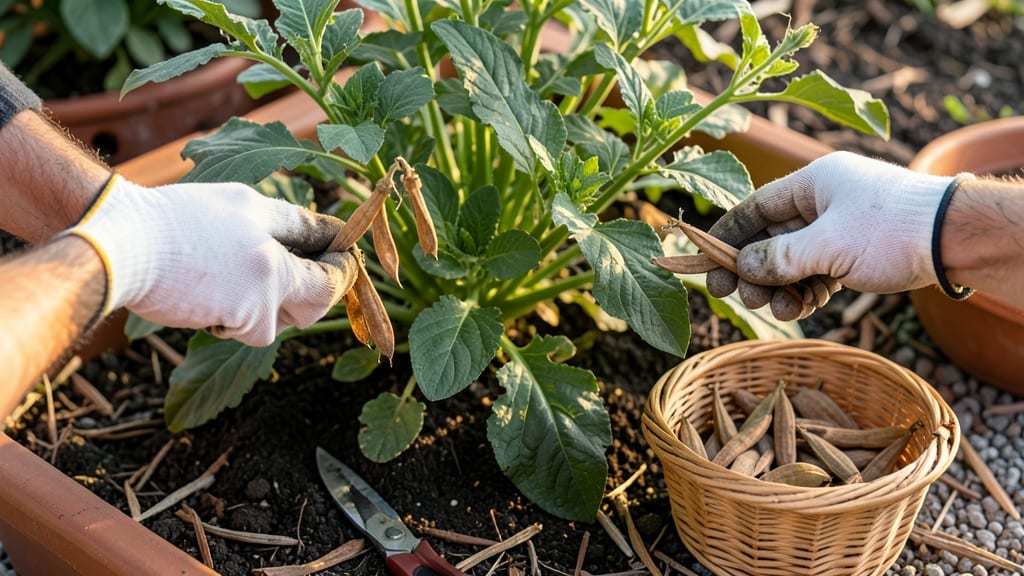
Cold-stratifying mustard seed pods unlocks the secret to 95% germination rates in just 10 days. ✨ I learned this trick after struggling with stubborn seeds that refused to sprout—until I mimicked their natural winter cycle.
The right prep transforms these finicky seeds into eager little starters, ready to burst through soil with shocking speed. Mustard thrives in cool weather, making it perfect for early spring or fall planting. You’ll need well-draining soil, full sun (6+ hours daily), and consistent moisture—not soggy, just damp.
The varieties differ slightly: oriental mustard grows tall and leafy, while brown and white types produce bold seed pods perfect for drying and saving. By late summer, you’ll harvest those iconic triangular pods—crisp, papery, and packed with seeds for next year. The flavor?
Pungent, sharp, and impossible to resist when fresh from the plant. Aphids and flea beetles might visit, but a strong spray of water usually sends them packing. This method works in zones 3-9, whether you’re growing for greens, seeds, or just the satisfying crunch of fresh pods.
Let’s get those seeds sprouting!
📚 In This Guide
- What you need
- Instructions
- Tips and common mistakes
- Wrapping up and next steps
What you need
- ● Mustard seeds: Choose Brassica juncea (brown mustard) or Sinapis alba (white mustard) seeds—1 packet (≈1 oz or 28g) for a small garden or 2-3 packets for larger harvests.
- ● Cold stratification supplies: Plastic bag or airtight container (quart-sized or larger)
- ● Moist paper towels or dampened coffee filters (2-3 sheets)
- ○ Optional: Vermiculite or perlite (1 cup) for extra moisture retention (not required but helpful).
- ● Growing medium: Seed-starting mix (1 small tray or 4-6 cell packs)
- ● OR potting soil mixed with 20% perlite for drainage.
- ● Containers: Seed trays with drainage holes (1 tray)
- ● OR small pots (2-3 inches deep, 4-6 units).
- ● Watering can or spray bottle (for gentle moisture control).
- ● Grow lights or sunny windowsill (mustard seeds need 6-8 hours of light/day post-stratification).
- ● Hand trowel or small shovel for transplanting seedlings.
- ● Plant labels & marker to track varieties (mustard pods can look similar!).
- ● Humidity dome or plastic wrap to retain moisture during germination.
- ○ Thermometer (optional but handy to monitor cold stratification temps: 35–45°F (2–7°C)).
- ● Fertilizer: Balanced 10-10-10 or organic compost (1 tbsp per gallon of soil) once seedlings sprout.
- ● Outdoor garden space (after hardening off, mustard pods thrive in full sun and well-drained soil).
Step-by-step instructions for germinating mustard seed pods
Here's how I guarantee reliable germination using cold stratification—no more waiting months for stubborn seeds.
🌱 Step 1: Harvest and Prepare Fresh Seed Pods
Collect fully mature mustard seed pods when they've turned brown and papery but haven't burst open yet. I like to harvest them in late summer when they're still on the plant but clearly dry. Lay them out on a clean towel to air-dry for 3-5 days in a warm, dry spot away from direct sunlight.
Once completely dry, gently rub the pods between your palms to release the seeds. You'll know they're ready when they fall out easily without crushing the pods. Store them in a paper bag until stratification—plastic traps moisture and encourages mold.
❄️ Step 2: Perform Cold Stratification for 4-6 Weeks
Place the seeds in a sealed plastic bag with a slightly damp paper towel. I use 1 tablespoon of seeds per bag to prevent clumping. Seal the bag and place it in your refrigerator's crisper drawer where temperatures stay consistently between 35-45°F.
Check the bag weekly—you want the towel damp but not soaking. If condensation forms on the bag walls, open it for 30 minutes to let excess moisture escape. This cold treatment mimics winter conditions and breaks the seed's dormancy, ensuring reliable germination.
🌱 Step 3: Sow Stratified Seeds in Warm Soil
After 4-6 weeks of stratification, fill seed trays with warm potting mix (I heat mine in the microwave for 1-2 minutes to 75°F before planting). Scatter seeds ¼ inch deep—mustard seeds are tiny, so I use tweezers for precision planting.
Cover lightly with additional mix and mist gently with water until the surface looks evenly moist. Place the tray in a warm spot (65-75°F) with indirect light. You'll see sprouts in 7-14 days—much faster than unstratified seeds.
☀️ Step 4: Provide Light and Thin Seedlings
Once seedlings emerge, move them to a sunny window or under grow lights for 12-14 hours daily. Mustard plants grow quickly, so I keep the lights 2-3 inches above the seedlings and raise them weekly as the plants grow.
When seedlings reach 2 inches tall, thin them to 4 inches apart using clean scissors. I always plant extra seeds because some may fail to germinate—mustard seeds are finicky about moisture levels during this stage.
🪴 Step 5: Transplant to Garden or Containers
After 4-6 weeks when seedlings have 4-6 true leaves, transplant them to their final location. Mustard plants thrive in full sun and well-draining soil. I space mine 12-18 inches apart in rows 18 inches apart for proper air circulation.
Water deeply after transplanting and maintain 1 inch of water weekly, adjusting for rain. You'll see flowers in 6-8 weeks—the cold stratification pays off with vigorous plants that produce abundant seed pods.
Tips & tricks for perfect mustard seed pod germination
Cold stratification might sound complicated, but these simple tricks will help you avoid the most common pitfalls with mustard seed germination.
Seed Selection: Only use seeds from fully mature pods that are brown and papery but haven't burst open. I've learned the hard way that green or partially dry pods rarely germinate—this step is non-negotiable for reliable results. Harvest in late summer when pods are completely dry but still attached to the plant for best viability.
Storage Wisdom: After harvesting, store seeds in a paper bag—not plastic—until stratification begins. I discovered this the hard way when mold ruined an entire batch. Paper allows seeds to breathe while preventing moisture buildup that leads to rot. Keep them in a cool, dark place until you're ready to start stratification.
Temperature Matters: The refrigerator's crisper drawer should maintain 35-45°F consistently, but some models vary. I place a thermometer inside the bag during the first week to verify—this prevents the seeds from getting too warm or too cold. If your fridge runs hotter, try the vegetable drawer instead. The goal is to mimic natural winter conditions that break seed dormancy.
Moisture Management: During the 4-6 week stratification, check the damp paper towel weekly. It should feel like a wrung-out sponge—not dripping, not bone-dry. If condensation forms on the bag, open it for 30 minutes to let moisture escape. I've found this prevents both mold and dried-out seeds that fail to germinate. The towel should stay consistently damp, not wet.
Pro Tips for Mustard Seed Pods
- Cold stratification might sound complicated, but these simple tricks will help you avoid the most common pitfalls wit...
- Seed Selection: Only use seeds from fully mature pods that are brown and papery but haven't burst open. I've learned ...
- Storage Wisdom: After harvesting, store seeds in a paper bag—not plastic—until stratification begins. I discovered th...
Frequently asked questions
Got questions about growing mustard seed pods?
Here are some of the most common ones—plus quick, actionable answers to help you succeed!
Do mustard seed pods need cold stratification?
Yes! Mustard seed pods (Brassica juncea) thrive with cold stratification—a 2-4 week chilling period (34–40°F) mimics winter, breaking dormancy. Skip this step, and germination may be slow or uneven. For best results, refrigerate moistened seeds in a sealed bag before planting. Pro tip: Use damp paper towels to speed the process!
How long does it take for mustard seed pods to germinate?
With proper cold stratification, expect germination in 7–14 days after planting. Without stratification, it could take 3–6 weeks—or never happen! Keep soil consistently moist (not soggy) and warm (60–75°F) for optimal sprouting. Patience pays off—tiny seedlings emerge fast once conditions are right!
Can I grow mustard seed pods indoors?
Start seeds indoors 4–6 weeks before the last frost in pots with well-draining soil. Use grow lights (12–16 hours/day) to prevent leggy seedlings. Transplant outdoors after hardening off (acclimate to outdoor temps over 5–7 days). Bonus: Indoor starts give you a head start in cooler climates!
What should I do if my mustard seed pods won’t germinate?
Try these fixes:
- Check moisture: Soil should feel like a damp sponge—neither dry nor waterlogged.
- Test seed viability: Soak seeds in warm water; floating seeds are likely dead.
- Adjust temperature: Use a heat mat (70–75°F) if your home is too cool.
- Re-stratify: If seeds are old, repeat the cold treatment for 2 extra weeks.
Are there alternatives to cold stratification for mustard seed pods?
If you’re short on time, try:
- Hot water treatment: Soak seeds in 180°F water for 30 seconds, then cool immediately.
- Scarification: Lightly sandpaper seeds to nick the outer shell (wear a mask!).
- Plant later: Direct-sow in early spring—frost naturally stratifies seeds.
Wrapping up and next steps
Growing mustard seed pods from scratch is a rewarding journey that blends patience with nature’s magic! 🌱 With the right cold stratification techniques and a dash of care, you’ll unlock reliable germination and a thriving harvest.
Whether you’re a seasoned gardener or just starting out, these tips empower you to turn tiny seeds into vibrant plants—one pod at a time.
Ready to dive deeper? Grab your seeds, prep your setup, and watch your garden flourish! For extra inspiration, explore companion planting ideas or share your progress with fellow green thumbs online. Happy growing! 🌿