
Lawn
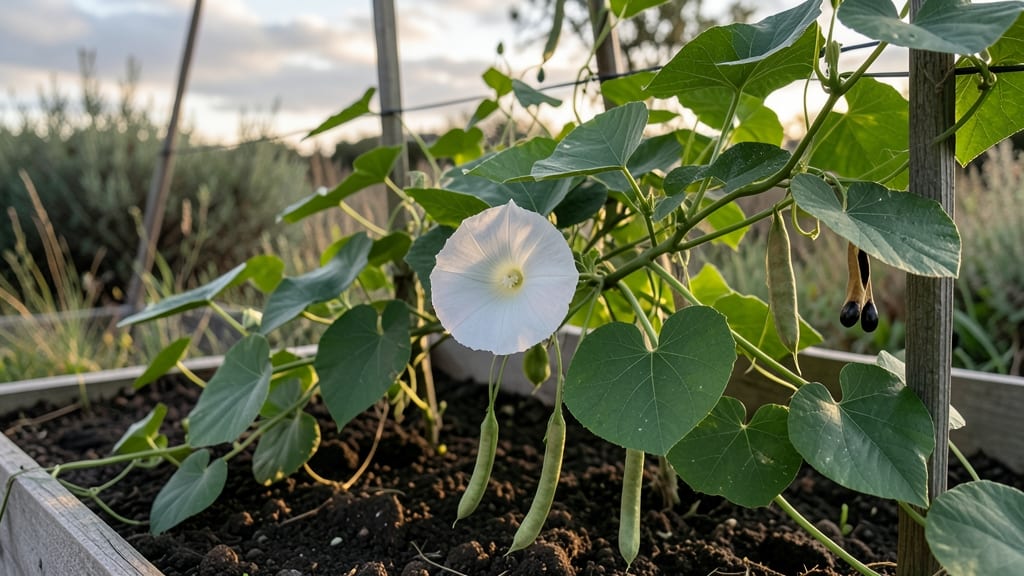
Harvesting moonflower vine seed pods before they twist open is the secret to next year's lush, fragrant blooms—and I’ve learned the hard way what happens when you wait too long. 🌙 These delicate pods turn brittle overnight, scattering seeds everywhere, but with the right timing, you’ll collect viable seeds that sprout reliably in just a few weeks.
The key is watching for the slightly puffy pods that still hold their shape—these are ready to harvest. Grab them gently (they’re paper-thin!) and lay them flat to dry in a shady, well-ventilated spot for about 10-14 days.
Once completely dry, a simple twist releases the seeds, which you can store in an envelope until planting season. No fancy tools needed—just patience and a little timing.
When spring arrives, plant seeds ½ inch deep in warm soil (after the last frost) and keep them moist until sprouts appear in 7-14 days. Young seedlings need full sun and consistent watering—they’re tender at first but grow into vigorous vines that climb and bloom all summer.
The biggest challenge? Seed viability drops after a year, so harvest fresh pods every season for the best results.
Perfect for gardeners who love night-blooming beauty without the fuss of buying new plants each year. With this method, you’ll have self-sustaining moonflowers for decades—just like the ones I’ve grown from my own saved seeds. Ready to try it?
📚 In This Guide
- What you need
- Instructions
- Tips and common mistakes
- Wrapping up and next steps
What you need
- ● Moonflower vine seed pods – Fully mature, dried pods (brown, papery texture) from Ipomoea alba or Ipomoea violacea vines.
- ● Pruning shears or sharp scissors – Clean, sterilized (70% isopropyl alcohol wipe) to prevent disease transfer.
- ○ Gloves (optional but recommended) – Lightweight gardening gloves to protect hands from prickly pods or sap.
- ● Paper bags or breathable mesh sacks – 2–3 medium-sized bags (12x15 inches) for collecting pods without crushing them.
- ● Labeling tags & marker – To mark pods by variety/year (e.g., "Moonflower 2024").
- ● Flat tray or baking sheet – For drying pods indoors (if needed).
- ● Paper towels or newspaper – To line the tray and absorb moisture.
- ● Small bowl or container – For storing cleaned seeds once extracted.
- ● Seed envelope kit – Pre-folded paper envelopes for long-term seed storage.
- ● Hair dryer (cool setting) – Speeds up drying if pods are damp.
- ● Magnifying glass – Helps spot tiny seeds inside pods.
- ● Humidity pack (silica gel) – For preserving seeds in airtight containers.
- ● Journal or app (e.g., Gardenate) – To log harvest dates, pod characteristics, or germination notes.
Step-by-step instructions for harvesting moonflower vine seed pods
Here’s the foolproof method I use every year to collect viable moonflower seeds without damaging the vine.
🌿 Step 1: Identify and Monitor Mature Seed Pods
Moonflower seed pods turn from green to brown and papery when fully mature—this usually happens 3-4 weeks after flowering. Look for pods that feel lightweight and brittle when gently squeezed; they’ll rattle inside if seeds are ready. Avoid harvesting pods that are still firm or green, as they won’t contain viable seeds.
Check your vines every 2-3 days in late summer or early fall, as pods mature quickly. I like to harvest in the early morning when humidity is lower—this prevents seeds from sticking to the pod walls and makes extraction easier later.
✂️ Step 2: Harvest Pods Without Damaging the Vine
Use clean pruning shears to snip the entire seed pod from the vine, leaving about ½ inch of stem attached. This prevents the vine from bleeding sap and ensures the pod stays intact. Place harvested pods in a paper bag (not plastic) to allow airflow and prevent mold.
Don’t twist or pull pods—they’re delicate and can split open prematurely, scattering seeds before you’re ready. If a pod cracks open naturally, transfer the seeds immediately to a dry container to avoid dampness.
🪴 Step 3: Dry and Extract Seeds Properly
Spread the harvested pods on a clean, dry towel in a warm, well-ventilated area (like a sunny windowsill or under a fan). Let them dry for 5-7 days until completely brittle. You’ll know they’re ready when the pods crumble easily between your fingers and seeds rattle freely inside.
Once dry, gently squeeze each pod over a bowl to release the seeds. Discard any pods that feel hollow or contain only chaff. Store viable seeds in a paper envelope in a cool, dark place—they’ll stay good for 2-3 years if kept dry.
💧 Step 4: Optional Cold Stratification for Better Germination
For higher germination rates, place seeds in a sealed plastic bag with slightly damp sand and refrigerate for 4-6 weeks (a process called cold stratification). This mimics winter conditions and tricks seeds into thinking they’ve survived a natural cycle. After stratification, sow seeds ½ inch deep in well-draining soil and keep them moist until sprouts appear.
Moonflower seeds germinate best in spring, so plan your stratification timeline accordingly. If you skip this step, seeds may still sprout but could take longer—especially in cooler climates.
⏰ Step 5: Store Seeds for Next Year’s Planting
Label your seed envelope with the harvest year and variety (if applicable). Store it in a cool, dry place (like a seed vault or airtight container) away from direct sunlight. Check periodically for moisture—condensation is the enemy of long-term seed viability.
Moonflower seeds are non-toxic and safe to handle, but wear gloves if you’re sensitive to plant fibers. With proper storage, you’ll have fresh seeds ready for next spring’s planting season, ensuring your moonflower vine thrives for years to come.
Tips & tricks for perfect moonflower vine seed harvesting
Here’s what nobody tells you about harvesting moonflower seeds—these tricks save time and frustration while ensuring you get the best viable seeds.
Timing Secret: The 3-4 week window after flowering is critical—this is when pods develop the brittle texture that signals maturity. I’ve learned the hard way that harvesting too early means immature seeds, while waiting too long risks the pods splitting open naturally. Mark your calendar when the first flowers appear to track this window precisely.
Equipment Upgrade: While clean pruning shears work perfectly, I’ve found that small, sharp garden scissors actually give me more control when harvesting delicate moonflower pods. The key is to make clean cuts just above the pod’s attachment point, leaving that ½-inch stem intact to prevent sap bleeding and maintain pod integrity.
Drying Strategy: For the 5-7 day drying period, I’ve had the most success using a combination of direct sunlight (for warmth) and gentle airflow from a small fan. This creates the perfect balance—enough heat to speed up drying without risking overheating that could damage the seeds. Place the pods on a screen or mesh instead of a towel to allow air circulation on all sides.
Stratification Shortcut: If you’re short on time, you can reduce the 4-6 week cold stratification period to just 3 weeks for moonflower seeds, though germination rates may be slightly lower. The key is maintaining consistent moisture in that damp sand mixture—check weekly and add a few drops of water if it feels dry to the touch. This mimics natural winter conditions without requiring months of patience.
Pro Tips for Moonflower Vine Seed Pods
- Here’s what nobody tells you about harvesting moonflower seeds—these tricks save time and frustration while ensuring you get the best viable seeds.
- Timing Secret: The 3-4 week window after flowering is critical—this is when pods develop the brittle texture that signals maturity.
- Equipment Upgrade: While clean pruning shears work perfectly, I’ve found that small, sharp garden scissors actually give me more control when harvesting delicate moonflower pods.
Frequently asked questions
When do moonflower vine seed pods form?
Moonflower vine seed pods typically appear in late summer to early fall (August–October), about 60–90 days after flowering. The pods start green, harden as they mature, and split open when fully dry. Harvest them before they burst to collect seeds for next year’s garden!
How do I know if the seed pods are ready for harvesting?
Ready-to-harvest pods are dry, brown, and slightly papery. Gently press a pod—if it cracks open easily, seeds are mature. Avoid harvesting if pods are still green or moist, as seeds won’t be viable. Early morning harvests yield the best results!
Can I save seeds from store-bought moonflowers?
Yes! Store-bought moonflowers often produce seeds, but cross-pollination may affect traits (e.g., color, size). For consistent results, save seeds from your own plants or buy certified organic seeds. Label them by year for tracking.
What if my seed pods rot or mold before drying?
Humidity or rain can cause rot. To prevent this:
- Harvest pods when partially dry but still intact.
- Store them in a paper bag (not plastic) in a cool, dry place.
- Spread pods on a tray for 1–2 weeks to finish drying.
Are there alternatives if my moonflower vine doesn’t produce pods?
Try these self-pollinating alternatives for reliable seed pods:
- Morning Glory (similar care, faster growth).
- Sweet Pea (fragrant, easy to save seeds).
- Nasturtium (edible flowers, prolific seeders).
Wrapping up and next steps
Harvesting moonflower vine seed pods the right way ensures a bountiful crop of seeds for next year’s garden—without the frustration of tangled vines!
By following these simple steps, you’ll preserve viability and enjoy the beauty of these night-blooming wonders all over again. Now’s the perfect time to try it: grab your tools, head outdoors, and give it a go!
Whether you’re a seasoned gardener or a curious beginner, this twist-free method makes seed saving a breeze. Happy harvesting! 🌙✨