
Advice
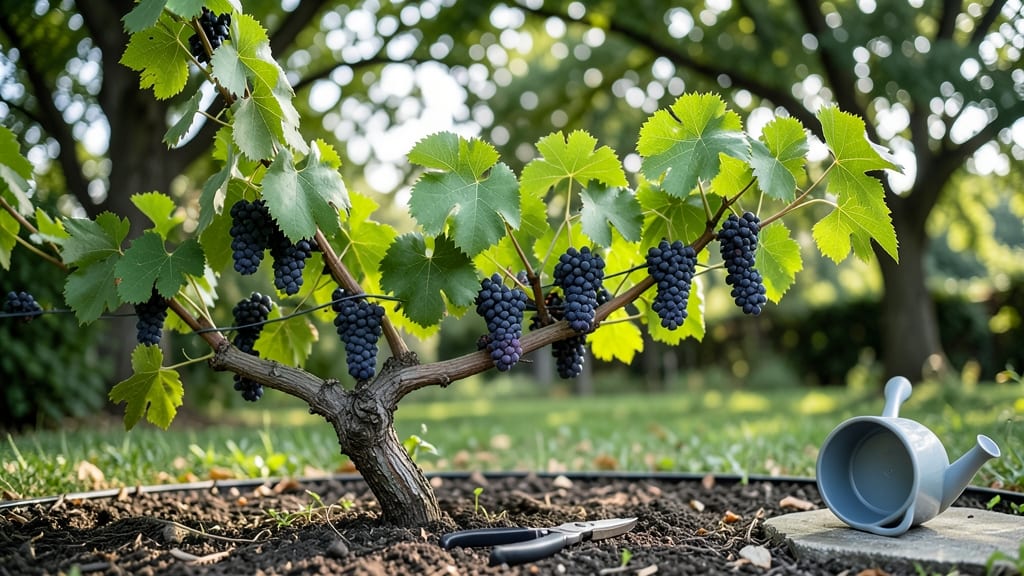
Growing Marquis seedless grapes means sweet, reliable harvests even in cooler climates. 🌱 I’ve battled frost-sensitive varieties before, but this cold-hardy grape changed everything—it thrives where others fail, producing juicy, seedless fruit year after year. The secret starts with the right site: full sun and well-draining soil.
Plant in early spring when soil warms to 50°F, spacing vines 8-10 feet apart. A sturdy trellis keeps growth organized and improves air circulation, cutting down on disease. By summer, you’ll see vigorous vines with clusters forming.
Water deeply once a week (more in drought), and prune in late winter to shape the vine and encourage next year’s fruit. The first harvest? Late August to September, with grapes so tender they practically fall into your hand. Even in Zone 4, these vines deliver.
Just watch for powdery mildew—spray with neem oil early—and you’ll enjoy homegrown grapes that outshine store-bought every time.
📚 In This Guide
- What you need
- Instructions
- Tips and common mistakes
- Wrapping up and next steps
What you need
- ● Marquis seedless grapevines: 2–4 healthy, bare-root or potted plants (check for disease resistance and cold-hardiness ratings).
- ● Well-draining soil: A mix of loamy soil with a pH of 6.0–7.0. Amend with compost (2–3 lbs per planting hole) if your soil is heavy or sandy.
- ● Fertilizer: Balanced 10-10-10 fertilizer (1 cup per plant at planting).
- ● Slow-release organic fertilizer (e.g., 5-5-5) for ongoing growth.
- ● Mulch: Organic mulch (straw, wood chips, or pine needles) to retain moisture and regulate soil temperature.
- ● Trellis or arbor: A sturdy 6–8 ft tall structure (e.g., T-post trellis or pergola) for vertical growth.
- ● Pruning shears: Sharp, clean shears for trimming vines (sterilize with rubbing alcohol between cuts).
- ● Garden gloves: Heavy-duty gloves to protect hands during pruning and planting.
- ● Watering can or hose: With a gentle spray nozzle for deep watering (1–2 gallons per plant, 2–3 times per week).
- ○ Soil tester kit (optional): To monitor pH and nutrient levels.
- ○ Frost cloth (optional): For young vines in early spring or late fall to protect against unexpected frost.
- ● Sunlight: A full-sun location (6–8+ hours of direct sunlight daily).
- ● Spacious area: Minimum 6 ft between vines for airflow (or 10 ft for larger trellises).
- ● Patience: Marquis grapes take 2–3 years to bear fruit but thrive for decades with proper care!
Step-by-step instructions for planting and training Marquis seedless grapes
Here’s how to establish cold-hardy vines that thrive in northern climates and deliver sweet, seedless fruit.
🌱 Step 1: Choose the Right Site and Plant in Early Spring
Marquis seedless grapes need full sun—at least 6-8 hours daily—and a sheltered location to protect them from harsh winds. I dig a 3-foot-wide, 2-foot-deep trench for each vine, spacing them 8-10 feet apart to allow room for mature canes. The trench helps insulate roots in winter, which is critical for cold-hardiness.
Plant bare-root vines in early spring (after the last frost) when the soil is workable but not soggy. Soak the roots for 1-2 hours before planting to rehydrate them. Handle the canes gently—scratches slow recovery. Mix compost into the native soil to improve drainage and fertility, then mound the soil slightly around the base to encourage root spread.
☀️ Step 2: Train Vines on a Trellis for Optimal Airflow
Install a strong trellis system with 4-5 horizontal wires spaced 18-24 inches apart. Marquis grapes grow best when trained vertically, which improves sunlight exposure and reduces disease risk. I use T-posts anchored 6 feet deep to support the weight of mature canes. Secure the main trunk to the lowest wire with soft plant ties to prevent wind damage.
In their first year, focus on establishing the permanent cordons—the horizontal branches that will bear fruit. Prune side shoots to 12-18 inches and tie them to the wires. Avoid over-pruning; you’re shaping the vine’s framework, not harvesting yet. By late summer, you’ll see new growth—this is where next year’s fruit buds form.
💧 Step 3: Water Deeply and Mulch to Retain Moisture
Water deeply once a week during the first growing season, aiming for 1-1.5 inches of water per week. Marquis grapes are drought-tolerant once established, but young vines need consistent moisture to develop strong roots. Water at the base of the plant, not overhead, to prevent fungal diseases like powdery mildew. I check soil moisture by digging 2 inches down—if it’s dry, it’s time to water.
Apply a 3-inch layer of organic mulch (straw or wood chips) around the base, keeping it 6 inches away from the trunk to prevent rot. Mulch conserves moisture, regulates soil temperature, and suppresses weeds. Replenish it annually in early spring. Avoid synthetic mulches—they can smother the soil and harm beneficial microbes.
✂️ Step 4: Prune Annually for Cold Hardiness and Fruit Production
Prune in late winter or early spring (before buds swell) to remove dead, diseased, or weak canes. Marquis grapes thrive with open-center pruning, where you keep 2-4 mature canes and 2-3 replacement canes for next year’s growth. Cut back last year’s fruiting wood to 2-3 buds—this encourages vigorous new shoots and improves air circulation.
Thin clusters to 1-2 per shoot when they’re pea-sized in early summer. This ensures larger, sweeter grapes by diverting the vine’s energy to fewer fruits. I also remove any suckers (shoots growing from the base) to focus the plant’s energy on the trellis-trained canes. After pruning, apply a balanced fertilizer (10-10-10) to support new growth.
⏰ Step 5: Protect Vines in Winter for Cold Hardiness
Marquis grapes can tolerate down to -20°F, but young vines benefit from extra protection. In late fall, mound 6-8 inches of soil around the base of the vine to insulate the roots. Wrap the trunk and canes with burlap or horticultural fleece, securing it loosely to allow airflow. Avoid plastic—it traps moisture and can cause rot.
Remove the winter wrap in early spring (before buds break) to prevent overheating. Check for dormant damage—if canes look mushy or blackened, trim them back to healthy wood. Healthy vines will show green buds by late April, signaling it’s safe to resume regular care. With proper winter protection, your Marquis grapes will return stronger each year.
Tips & tricks for perfect Marquis seedless grape cultivation
These practical insights will help you navigate the nuances of growing cold-hardy grapes that deliver reliable harvests every year.
Site Selection Wisdom: Marquis seedless grapes thrive in locations with 6-8 hours of direct sunlight daily, but the sheltered aspect is just as critical. I’ve found that planting near a fence or building on the north side creates a natural windbreak while still allowing full sun exposure. Avoid low-lying areas where cold air settles—this can push your vines below their -20°F tolerance threshold. Test your site by observing how sunlight moves across it throughout the day before committing to your trench locations.
Root Preparation Technique: That 1-2 hour soak for bare-root vines isn't just about hydration—it's about waking up the dormant buds. I like to add a tablespoon of rooting hormone to the water during this soak, which significantly boosts root development. After soaking, gently shake off excess water before planting to prevent waterlogged soil conditions that can suffocate young roots. The slight mound of soil you create around the base creates a natural reservoir that helps maintain consistent moisture during those critical first weeks.
Trellis Installation Insight: When constructing your trellis, prioritize stability over aesthetics. The 6-foot deep T-posts should extend below the frost line in your region—this prevents them from shifting during winter thaw cycles. I recommend using galvanized wire for the horizontal supports rather than plastic-coated options, as grapes' natural acids can degrade plastic over time. The 18-24 inch spacing between wires gives you flexibility to adjust as your vines grow, but don't wait until they're established to install it—you'll regret the struggle of retrofitting later.
Winter Protection Strategy: The 6-8 inch soil mound around your vine's base is your first line of defense against winter damage, but don't stop there. I've found that adding a layer of straw mulch (6 inches thick) over the soil mound provides an extra insulating barrier while preventing soil heaving during freeze-thaw cycles. For young vines in particularly harsh climates, consider wrapping the entire trellis structure in burlap rather than just individual canes—this creates a microclimate that can raise temperatures by several degrees during cold snaps.
Pro Tips for Marquis Seedless Grape
- These practical insights will help you navigate the nuances of growing cold-hardy grapes that deliver reliable harvests every year.
- Site Selection Wisdom: Marquis seedless grapes thrive in locations with 6-8 hours of direct sunlight daily, but the sheltered aspect is just as critical.
- Root Preparation Technique: That 1-2 hour soak for bare-root vines isn't just about hydration—it's about waking up the dormant buds.
Frequently asked questions
How cold-hardy are Marquis seedless grapes?
Marquis seedless grapes are one of the most cold-resistant varieties, surviving down to -25°F (-31°C) with proper winter care. Young vines may need extra mulch or frost blankets in their first few years, but established vines handle harsh winters better than most seedless types. Plant in a sunny, sheltered spot to maximize cold tolerance!
When is the best time to harvest Marquis seedless grapes?
Harvest time depends on your climate, but these grapes typically ripen late August to early October in most U.S. growing zones. Look for grapes that are fully colored, slightly soft to the touch, and release easily from the stem. A quick sugar test (using a refractometer) should read 15-18 Brix for peak sweetness.
Can I grow Marquis seedless grapes in containers?
Yes! These grapes thrive in large containers (at least 15-20 gallons) with well-draining soil. Use a trellis for support and ensure the pot has drainage holes. Container-grown vines may need more frequent watering and winter protection (move indoors or use insulation wraps). Just avoid overcrowding—space vines 4-6 feet apart for airflow.
What pests or diseases should I watch for with Marquis grapes?
Common issues include:
- Japanese beetles and grape leafhoppers—use neem oil or insecticidal soap early in the season.
- Powdery mildew (gray-white fungus)—prune for airflow and apply fungicide at the first sign.
- Birds love ripe grapes! Cover clusters with netting when they’re nearly ready to eat.
Are Marquis seedless grapes good for wine or jelly?
Their balanced sweetness and mild flavor make them excellent for:
- Wine: Pair with other varieties like Concord for depth.
- Jelly/jam: Their natural pectin holds up well—add lemon juice to prevent mold.
- Fresh eating: Enjoy them straight off the vine for a burst of juicy sweetness.
Pro Tip:
If your grapes split or crack during rain, it’s often due to over-ripening or uneven watering. Thin clusters slightly to reduce stress on the vines and avoid sudden watering spikes.
Wrapping up and next steps
Growing Marquis seedless grapes is a rewarding journey that combines resilience with delicious results—especially when you harness their cold-hardy nature for consistent harvests! 🌱 Whether you're a seasoned gardener or just starting, these vines offer a low-maintenance way to enjoy sweet, seed-free grapes year after year.
Now that you’re equipped with the right knowledge, roll up your sleeves and plant those cuttings! Start small, experiment with training methods, and soon you’ll be savoring homegrown grapes that outshine store-bought varieties.
🌟 Next Steps:
- Order your Marquis seedless grape cuttings or bare-root plants today!
- Mark your calendar for planting season (early spring or fall).
- Join grape-growing communities for tips and inspiration—your future harvest awaits! 🍇