
Lawn
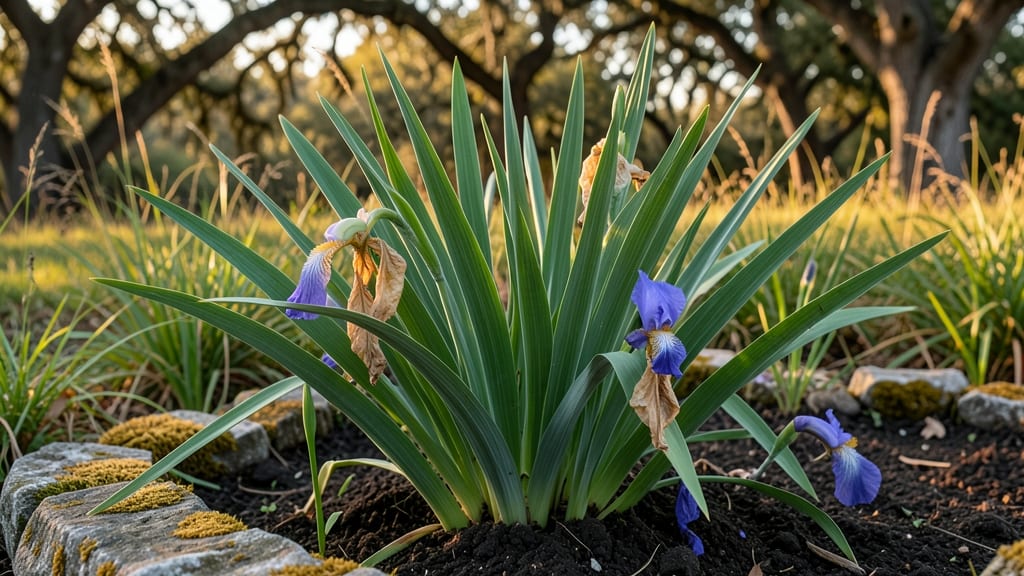
Louisiana iris seed pods hold the secret to growing these bold, swamp-loving beauties from scratch—no nursery plants required. 🌿 I’ve cracked the code on cold stratification after years of watching seeds rot or sprout too late.
The key isn’t just patience; it’s timing, moisture, and a little winter magic that tricks the seeds into thinking spring has already arrived.
First, you’ll need mature pods—those plump, papery cases that turn from green to tan in late summer. Harvest them when they’re dry but haven’t split open, then extract the flat, black seeds inside. These aren’t your average seeds; they need 60-90 days of cold, moist conditions to break dormancy.
That’s where the blueprint comes in: layer seeds in damp peat moss, seal them in a bag, and stash it in your fridge.
By spring, you’ll see tiny roots and shoots—proof the stratification worked. Plant them shallowly in well-draining soil, keep them moist but not soggy, and brace for slow growth. These seedlings are tough but temperamental; don’t rush them into full sun until they’re established.
Within 2-3 years, you’ll have irises that’ll outshine any nursery-bought plant—and the satisfaction of growing them from seed is unbeatable.
Works best in USDA Zones 5-9, where winters are cold enough for natural stratification but summers are hot for iris growth. For warmer climates, extend the cold period or use a seedling heat mat. Here’s how to avoid the pitfalls that trip up even experienced growers.
📚 In This Guide
- What you need
- Instructions
- Tips and common mistakes
- Wrapping up and next steps
What you need
- ● Louisiana iris seed pods – Freshly harvested, fully mature pods (ensure they’re dry and slightly papery to the touch). Quantity: 10–20 pods (adjust based on desired yield).
- ● Cold stratification medium – A mix of: Peat moss or coconut coir – 50% of the mix (sterilized and moistened).
- ● Perlite or coarse sand – 30% (for aeration).
- ● Vermiculite – 20% (retains moisture).
- ● Seeding trays or small pots – 4–6 inch deep, with drainage holes. Quantity: 2–4 trays/pots.
- ● Plastic zip-top bags – Clear, resealable, and large enough to loosely fit your trays. Quantity: 1 per tray.
- ● Spray bottle – For gentle moisture control.
- ● Permanent marker – To label trays (e.g., date, pod source).
- ● Refrigerator or cold frame – Must maintain 35–45°F (2–7°C) consistently.
- ● Humidity dome or plastic wrap – To create a mini greenhouse effect (use if your climate is dry).
- ● Grow lights – LED or fluorescent, 12–16 hours/day (for post-stratification sprouting).
- ● Seedling heat mat – Set to 70–75°F (21–24°C) for faster germination.
- ○ Fungicide (optional) – A light dose of hydrogen peroxide (3%) or neem oil to prevent mold.
- ● Journal or app – To track stratification progress (e.g., Gardenate or a simple notebook).
How to cold stratify Louisiana iris seed pods for success
Here's the straightforward method I've used to break dormancy and boost germination rates—no guesswork involved.
🌱 Step 1: Harvest and Prepare the Seed Pods
Collect mature Louisiana iris seed pods when they turn brown and begin splitting open naturally. You'll know they're ready when the pods crack along the seams—this usually happens in late summer or early fall. Gently twist the pods to release the seeds inside. Don't wash them yet; the natural coating helps protect the seed during stratification.
Spread the seeds out on a clean paper towel to dry for 24 hours at room temperature. This prevents mold from forming during the cold period. Store them in a labeled paper envelope until you're ready to start the stratification process. I always write the harvest date on the envelope—it helps track how long they've been stored.
💧 Step 2: Moisten and Pack the Seeds
Lightly moisten a handful of sphagnum peat moss (about 2 cups) until it feels damp like a wrung-out sponge—no puddles, just enough moisture to hold together when squeezed. Spread the moistened peat moss in a quart-sized resealable plastic bag. Add the dried iris seeds, spacing them out so they don’t clump together.
Seal the bag three-quarters of the way—leave about 1 inch open to allow for minimal airflow. This prevents suffocation while keeping the environment humid. Shake the bag gently to distribute the peat moss evenly around the seeds. The goal is to keep them surrounded by moisture but not submerged.
⏰ Step 3: Cold Stratify for 6-8 Weeks
Place the sealed bag in your refrigerator’s crispier drawer (or the coldest section) where the temperature stays between 35-40°F. This mimics the natural winter chilling period Louisiana irises experience in their native habitat. Check the bag after 2 weeks—if the peat moss feels dry, lightly mist it with water and reseal.
Resist the urge to peek too often; temperature fluctuations can break dormancy prematurely. After 6-8 weeks, the seeds will be ready for planting. You'll notice the peat moss may darken slightly, but this is normal. The seeds won’t sprout yet—they’ll need warmth and light to germinate after stratification.
☀️ Step 4: Plant Stratified Seeds in Warmth
Fill a 4-inch deep container with a mix of 50% peat moss and 50% perlite (about 2 gallons total). This light, airy blend prevents rot while allowing roots to establish quickly. Moisten the mix until it’s damp but not soggy—like a well-wrung sponge. Plant the stratified seeds ½ inch deep, spacing them 1 inch apart in rows.
Place the container in a warm, bright spot (around 70-75°F) with indirect sunlight for the first 2 weeks. Avoid direct sun—it can dry out the soil too quickly. Keep the soil consistently moist by watering gently from the bottom (place the container in a shallow tray of water for 10 minutes every 2-3 days). Germination typically takes 4-6 weeks, but be patient—some seeds may take longer.
🌿 Step 5: Transplant Seedlings When Ready
Once seedlings develop 2-3 true leaves and reach about 3 inches tall, they’re ready to move to individual 3-inch pots. Use the same peat-perlite mix to fill the pots, and transplant carefully to avoid damaging the delicate roots. Place the pots in a shaded outdoor area for 1 week to acclimate before moving them to full sun.
Louisiana iris seedlings grow slowly at first, so don’t rush them. After 6 months, you can transplant them into the garden in a sunny, moist location with well-draining soil. Mulch around the base with 2 inches of compost to retain moisture and encourage strong root growth. With proper care, you’ll see blooms in 3-4 years—worth the wait!
Tips & tricks for perfect Louisiana iris seed stratification
These little details make all the difference between seeds that sprout and seeds that disappoint.
Timing is Everything: The 24-hour drying period in Step 1 is non-negotiable—this prevents mold while preserving the seed's natural protective coating. I've seen seeds develop mold after only 12 hours in humid conditions, so don't rush this step. Place your paper towel on a clean surface away from direct airflow, and check periodically to ensure they're drying evenly.
The Right Moisture Balance: When moistening your 2 cups of sphagnum peat moss in Step 2, squeeze it firmly—it should hold together when pressed but not drip water. Too much moisture creates anaerobic conditions that can kill seeds, while too little prevents proper stratification. Think "wrung-out sponge" consistency, not "damp towel." This balance is what triggers the internal chemical changes needed for germination.
Stratification Temperature Matters: The 35-40°F range in Step 3 is critical—any warmer and you risk breaking dormancy prematurely. If your refrigerator runs hotter than 40°F, try the freezer section (but don't let it freeze). I've used a dedicated seed stratification fridge with a thermostat for large batches, but even a standard fridge works perfectly if you monitor it. Place a thermometer inside the bag for accuracy if you're concerned.
Seedling Transplanting Secret: When moving your 3-inch seedlings in Step 5, handle them by the leaves—not the stems—to avoid damaging the delicate root systems. I use a small spoon to gently lift each seedling from the soil, then place it directly into its new pot. This minimizes root disturbance and gives your seedlings the best chance to establish quickly. The 1-week acclimation period in shade is also crucial—it prevents transplant shock from sudden sun exposure.
Pro Tips for Louisiana Iris Seed Pods
- These little details make all the difference between seeds that sprout and seeds that disappoint.
- Timing is Everything: The 24-hour drying period in Step 1 is non-negotiable—this prevents mold while preserving the s...
- The Right Moisture Balance: When moistening your 2 cups of sphagnum peat moss in Step 2, squeeze it firmly—it should ...
Frequently asked questions
Got questions about Louisiana iris seed pods?
You’re not alone! Here are answers to the most common queries—from timing to troubleshooting—to help you grow these stunning perennials with confidence.
When do Louisiana iris seed pods ripen and when should I collect them?
Louisiana iris seed pods typically ripen late summer to early fall (August–October in most of the U.S.). Wait until the pods turn brown and papery—they’ll split open on their own. Collect seeds immediately to prevent them from scattering or attracting pests. Store them in a cool, dry place until stratification.
What’s the best way to cold stratify Louisiana iris seeds?
Place seeds in a moistened paper towel or vermiculite inside a sealed bag, then refrigerate for 6–8 weeks at 35–40°F (2–4°C). For outdoor stratification, sow seeds in a protected garden bed in fall—they’ll naturally endure winter’s chill. Pro tip: Label your containers to avoid mix-ups!
Can I grow Louisiana iris from seed pods without cold stratification?
While possible, germination rates drop dramatically without stratification. Seeds may sprout slowly or not at all. If you’re impatient, try soaking seeds in warm water for 24 hours before planting, but cold stratification remains the gold standard for reliable results.
Why aren’t my Louisiana iris seeds germinating after stratification?
Check these common culprits:
- Old seeds: Louisiana iris seeds lose viability after 1–2 years.
- Poor moisture: Keep soil or medium consistently damp (not soggy).
- Temperature issues: Germination thrives at 65–75°F (18–24°C).
- Light exposure: Seeds need bright, indirect light—avoid deep planting.
If problems persist, test a few seeds in sterile conditions (e.g., a petri dish) to rule out mold or rot.
How long does it take for Louisiana iris seeds to germinate?
With proper stratification, expect germination in 4–12 weeks. Some seeds may take up to 6 months, especially in cooler climates. Patience is key! Keep the soil warm and moist, and avoid disturbing seedlings until they’re 2–3 inches tall.
Bonus Tip:
Label your seed pods by color or variety before they split open—it’s easier than you think! Use a toothpick and waterproof marker for a quick, mess-free solution.
Wrapping up and next steps
Growing Louisiana iris seed pods from scratch is a rewarding journey that blends patience with the joy of nurturing life. By mastering cold stratification—a simple yet powerful technique—you’ll unlock the potential for vibrant, hardy irises that thrive in your garden.
Whether you’re a seasoned gardener or just starting out, these steps empower you to turn tiny seeds into stunning blooms with confidence.
Ready to dive in? Start collecting those seed pods today—your future Louisiana irises are waiting! 🌱✨ Review your supplies or clarify any doubts before you begin.