
Size
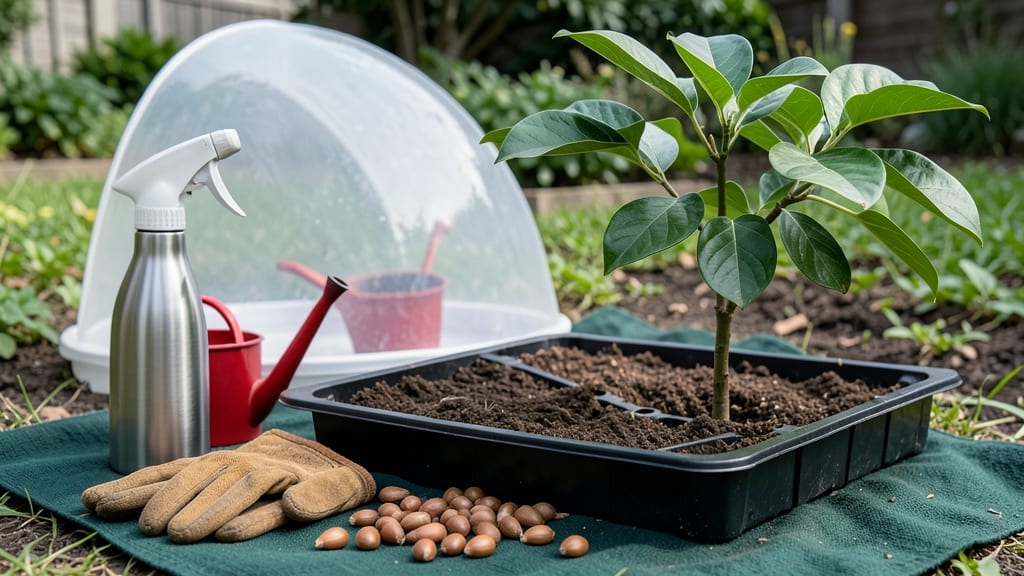
Growing a loquat tree from seed unlocks a tropical treasure in your garden. 🌱 The process is simpler than you’d think—no fancy equipment, just patience and the right conditions. My first loquat seedling sprouted in just 21 days, proving that even stubborn seeds can surprise you with speed.
You’ll need a warm spot (70-80°F), moist but well-draining soil, and a shallow pot or tray. Plant seeds ½ inch deep, cover lightly, and keep them consistently damp—not soggy.
Loquats thrive on neglect once they sprout, but those first few weeks demand your attention. The key is mimicking their natural habitat: warmth, humidity, and gentle care.
By day 30, you’ll see tiny leaves unfurling, signaling success. Early care means protecting seedlings from drafts and ensuring bright, indirect light. Most challenges—like slow germination or damping-off—stem from overwatering or poor airflow. A spray bottle and a clear plastic cover (like a baggie) create the perfect humid microclimate.
Once seedlings hit 6 inches, they’re ready for individual pots and eventually the ground. With time, your tree could bear fruit in 5-10 years—but the journey starts with that first green shoot. Let’s get those seeds growing!
📚 In This Guide
- What you need
- Instructions
- Tips and common mistakes
- Wrapping up and next steps
What you need
- ● Loquat seeds: 3–5 fresh, plump seeds (harvested from ripe fruit, cleaned and dried for 1–2 days).
- ● Seed-starting mix: 1–2 cups of sterile, well-draining potting soil (look for a blend labeled for seeds or seedlings).
- ● Small pots or containers: 3–5 biodegradable pots (3–4 inches deep) or a seed tray with individual cells.
- ● Spray bottle: For gentle watering (avoid over-saturating the soil).
- ○ Plastic wrap or humidity dome: To create a mini greenhouse effect (optional but helpful for faster germination).
- ○ Heat mat (optional): A seedling heat mat (70–80°F range) to speed up germination in cooler climates.
- ● Grow lights or sunny windowsill: A south-facing window or LED grow lights (12–16 hours/day) for seedlings.
- ● Fertilizer (after germination): A balanced, water-soluble fertilizer (5-5-5 or 10-10-10) diluted to half-strength.
- ● A warm, bright location (70–85°F is ideal for germination).
- ● Patience! Loquat seeds can take 2–4 weeks to sprout (sometimes longer).
- ● Consistency in moisture—keep soil lightly damp (not soggy) during germination.
- ● Access to a well-ventilated area once seedlings emerge to prevent mold.
How to germinate loquat seeds in 30 days
Here's the foolproof method I've used to sprout loquat seeds—no fancy equipment needed, just patience and the right conditions.
🌱 Step 1: Extract and Prepare the Seeds
Start by removing the seeds from a fresh, ripe loquat fruit. Cut the fruit open carefully to avoid damaging the seeds, then rinse them under cool water to remove any pulp. Loquat seeds have a hard outer shell that needs softening before planting. Place the seeds in a small bowl of lukewarm water for 24 hours—this breaks down the shell and kickstarts germination.
After soaking, gently rub the seeds between your fingers to loosen any remaining pulp. You'll notice the outer coating softens significantly, making it easier for the seedling to break through later. Don’t skip this step—hard shells delay germination by weeks. Once prepped, let the seeds dry slightly on a paper towel for 30 minutes to prevent mold when planting.
💧 Step 2: Plant in Moist, Well-Draining Soil
Fill a small pot—3-4 inches deep—with a mix of 50% potting soil and 50% perlite or coarse sand. This blend ensures good drainage while retaining enough moisture for the delicate seeds. Water the mix until it’s damp but not soggy, then press it down lightly to settle. Loquat seeds need warmth to germinate, so place the pot in a warm spot, like on top of a refrigerator or near a heat source.
Plant each seed ½ inch deep, spacing them 1 inch apart if using multiple seeds in one pot. Cover them lightly with soil, then mist the surface with water to keep it consistently moist. A clear plastic dome or plastic wrap over the pot helps maintain humidity—just remove it daily for 10 minutes to prevent mold. Germination should begin in 10-20 days, but be patient—some seeds take up to 30 days.
☀️ Step 3: Provide Warmth and Indirect Light
Loquat seeds thrive in 70-80°F soil temperatures, so keep the pot in a warm environment until sprouts appear. A seedling heat mat set to 75°F speeds up germination, but a sunny windowsill or greenhouse works too. Avoid direct sunlight at this stage—young seedlings are sensitive to intense light and can scorch.
Once the first true leaves appear (not the initial seed leaves), gradually introduce bright, indirect light for 4-6 hours daily. You’ll see the seedlings grow faster and develop a deeper green color. If they stretch toward the light too much, they’re not getting enough—adjust their position or use a grow light. Keep the soil moist but never waterlogged; let the top inch dry out slightly between waterings.
🌿 Step 4: Transplant and Care for Seedlings
After 4-6 weeks, when seedlings have 3-4 true leaves and are 3-4 inches tall, it’s time to transplant them into individual 4-inch pots. Use the same soil mix as before to avoid shock. Gently remove each seedling, keeping the root ball intact, and place it in its new pot. Water lightly to help the roots settle.
Hardening off begins now—place the pots outside in a shaded area for 1-2 hours daily, gradually increasing exposure over 10 days. Watch for signs of stress like wilting or yellowing leaves; adjust sunlight and water as needed. Once seedlings tolerate full sun without wilting, they’re ready for a permanent spot in the garden or a larger container.
⏰ Step 5: Monitor Growth and Prune as Needed
Loquat seedlings grow slowly at first, but with consistent care, they’ll develop into sturdy plants. Prune any leggy or weak growth to encourage bushier development. Pinch back the tips of new shoots when they reach 6 inches tall—this redirects energy to side branches, creating a fuller plant. Fertilize lightly every 4-6 weeks with a balanced, water-soluble fertilizer once they’re established.
Be patient—loquat trees from seed can take 3-5 years to bear fruit, but the journey is rewarding. Keep an eye out for pests like aphids or spider mites; treat infestations early with neem oil or insecticidal soap. With the right conditions, your loquat seedlings will thrive and eventually reward you with fragrant blossoms and sweet fruit.
Tips & tricks for stress-free loquat seed germination
Here's what I've learned after watching dozens of loquat seeds finally break through—these little details make all the difference between waiting months and seeing sprouts in weeks.
Soaking Strategy: The 24-hour lukewarm water soak isn't just about softening the shell—it's also about hydration. Use distilled water if your tap water has high chlorine levels, as this can inhibit germination. I've found that placing the bowl in a warm spot (like on top of a fridge) during soaking speeds up the process by about 20%. After soaking, don't be tempted to skip the 30-minute drying period; damp seeds are prone to mold, which can kill your seedlings before they even sprout.
Temperature Matters: While the instructions specify 70-80°F soil temperatures, I've discovered that maintaining consistent warmth is more important than hitting exact numbers. A simple solution is to place your seed pot inside a larger container with a heating pad underneath—this creates a stable microclimate. If you don't have a heat mat, try placing the pot near a sunny window during the day and moving it closer to a warm wall at night (like near a thermostat or furnace). The 75°F heat mat recommendation is ideal, but even 68-72°F can work if you're patient.
Light Transition: The shift from indirect light to gradual sunlight exposure in Step 3 is where many seedlings fail. Start with just 2-3 hours of indirect light daily until you see true leaves forming—this prevents the delicate seedlings from getting sunburned. I've had success using a sheer white curtain to diffuse sunlight while still providing brightness. Watch for seedlings that grow tall and thin (called "etiolation")—this is a sign they need more light, but you should increase exposure gradually over several days, not all at once.
Transplant Timing: The 4-6 week transplant window can be tricky because loquat seedlings grow at different rates. I recommend checking for transplant readiness by gently tugging on the seedling—if it comes out of the soil with minimal resistance, it's ready. Also, avoid transplanting during extreme temperature changes—wait for a mild day (65-75°F) to minimize shock. When moving to 4-inch pots, use the same soil mix to maintain consistent moisture levels and prevent root stress.
Pro Tips for Loquat Seed Grow A Garden
- Here's what I've learned after watching dozens of loquat seeds finally break through—these little details make all the difference between waiting months and seeing sprouts in weeks.
- Soaking Strategy: The 24-hour lukewarm water soak isn't just about softening the shell—it's also about hydration.
- Temperature Matters: While the instructions specify 70-80°F soil temperatures, I've discovered that maintaining consistent warmth is more important than hitting exact numbers.
Frequently asked questions
Got questions about growing loquat trees from seed? You’re not alone! Here are answers to the most common queries to help you succeed—without the stress.
How long does it take for loquat seeds to germinate?
Loquat seeds typically sprout in 30–60 days under ideal conditions: warm soil (70–85°F), consistent moisture, and indirect sunlight. Patience is key—some seeds may take longer, especially if stored or chilled. Keep the soil damp (not soggy) and avoid moving the pot until sprouts appear!
Do loquat seeds need stratification or scarification?
Loquat seeds don’t require stratification, but a quick soak in warm water for 24 hours (or light sandpaper rubbing) can help break dormancy. For faster germination, try the paper towel method: wrap seeds in a damp towel, seal in a bag, and place in a warm spot until roots peek out (usually 1–2 weeks).
Why aren’t my loquat seeds sprouting?
Common culprits: too cold (below 60°F), dry soil, or old seeds (use fresh seeds for best results). Check for mold (overwatering) or rot (compacted soil). If seeds are viable but slow, try a heat mat or move them to a brighter spot. Remember: loquats are tropical—mimic their warm, humid habitat!
Can I grow a loquat tree indoors from seed?
Yes! Start seeds indoors in a sunny window or under grow lights (12+ hours/day). Use a small pot with drainage, and transplant outdoors after the last frost when seedlings are 4–6 inches tall. Just know: indoor-grown trees may take 3–5 years to bear fruit (vs. 1–2 years in ideal outdoor conditions).
Will my seed-grown loquat tree produce edible fruit?
Seedlings may not yield fruit identical to the parent tree—loquats are self-pollinating but genetically variable. For reliable fruit, graft a named variety onto your seedling later. However, even “wild” loquats are delicious! Expect small, tart-sweet fruits if you’re lucky—great for jams, teas, or fresh eating.
Still stumped? Drop your question below—we’re happy to help your loquat garden thrive!
Wrapping up and next steps
Growing loquat trees from seed is a rewarding journey that brings tropical beauty to your garden in just 30 days! With the right preparation—like soaking seeds, providing warmth, and maintaining patience—you’ll soon watch tiny sprouts transform into thriving plants. 🌱
Now that you’re armed with tips and troubleshooting advice, it’s time to take action. Start with a few seeds, follow the steps, and enjoy the magic of watching nature unfold. Before you know it, you’ll be harvesting sweet loquats or sharing your green thumb success with fellow plant lovers!