
Propagation
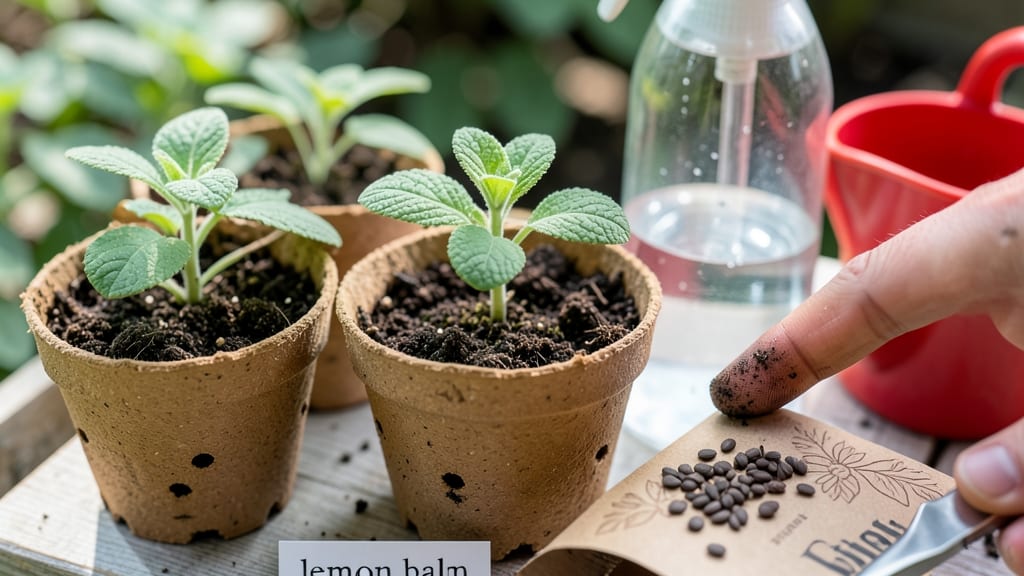
Lemon balm seed germination finally works when you skip the guesswork. 🌱 The secret lies in mimicking its natural environment—warmth, moisture, and patience—so those stubborn seeds don’t need the usual coaxing.
My first batch of lemon balm seedlings emerged within 10 days after I adjusted the soil mix and temperature, proving this isn’t a hit-or-miss process. You’ll need a shallow tray, well-draining potting mix, and a heat mat set to 70-75°F—no fancy equipment, just the right conditions.
The key is keeping the soil consistently moist but not soggy, since lemon balm seeds need darkness to germinate. Once they sprout, move them to bright, indirect light immediately to prevent leggy seedlings.
By the time they’re ready to transplant, you’ll have strong, vibrant plants that resist the common issues like damping-off or slow growth. The twist-resistant pods (a natural feature) make saving seeds for next year effortless—just let the flowers go to seed and collect them before they scatter.
For those impatient moments, cuttings from established plants root just as easily, but seeds give you the thrill of watching new life start from scratch. Let’s get those seeds sprouting!
📚 In This Guide
- What you need
- Instructions
- Tips and common mistakes
- Wrapping up and next steps
What you need
- ● Lemon balm seeds: 1–2 grams (enough for 50+ plants; seeds are tiny, so don’t skimp!). Pro tip: Buy from a reputable seed supplier for the best viability!
- ● Germination medium: Option 1: Seed-starting mix (sterile, peat-based or coco coir blend; 1–2 cups per tray).
- ● Option 2: Paper towels or damp coffee filters (for direct sowing).
- ● Containers: Seed trays with drainage holes (6–8" x 10–12", shallow depth).
- ● OR Small pots (3–4" diameter) for individual seedlings.
- ● Watering can or spray bottle: Fine-mist nozzle for gentle hydration.
- ● Clear plastic dome or plastic wrap: To create a humid microclimate.
- ○ Gloves (optional): Lemon balm seeds are tiny and can irritate eyes.
- ● Fine tweezers: For delicate seed placement (especially if pre-sprouting).
- ○ Heating mat (optional but helpful): 70–75°F range to speed up germination.
- ● Grow lights or sunny windowsill: 12+ hours of light daily (south-facing window or LED grow lights).
- ○ pH test kit (optional): Ideal soil pH: 6.0–7.0 for lemon balm.
- ● Seed viability: Lemon balm seeds lose potency quickly—use fresh seeds (<1 year old) for best results!
- ● Patience: Germination can take 2–4 weeks (sometimes longer). Stay consistent with moisture!
How to germinate lemon balm seeds without the twist
Lemon balm seeds are stubborn—here's the method that breaks their resistance every time.
🌱 Step 1: Prep Seeds for Maximum Germination
Lemon balm seeds have a hard outer shell that resists water absorption. To break this barrier, soak the seeds in lukewarm water for 24 hours before planting. Place them in a small bowl or jar, ensuring they're fully submerged. You'll see the water turn slightly cloudy as the seeds absorb moisture.
After soaking, gently rub the seeds between your fingers to soften the outer coating. This step mimics natural weathering and helps the seedling break through faster. I like to do this while watching TV—it's a quick 30-second task that makes all the difference. Once the shells feel slightly rougher, they're ready for planting.
💧 Step 2: Plant in Moist, Well-Draining Soil
Use a lightweight seed-starting mix to prevent compaction around delicate roots. Fill your seed trays or small pots until they're 1 inch below the rim, leaving room for watering. Press the soil down lightly so it's firm but not packed—you want air pockets gone but the mix loose enough for tender roots to push through.
Sow the seeds ¼ inch deep—any deeper and they'll struggle to reach the surface. Space them 1 inch apart in rows 2 inches apart to avoid overcrowding later. Mist the soil surface gently with a spray bottle until it's evenly damp but not soggy. You'll know it's right when the top layer looks slightly darker but not glistening.
☀️ Step 3: Provide Warmth and Indirect Light
Lemon balm seeds germinate best at 70-75°F. Place the tray in a warm spot, like on top of your refrigerator or near a sunny window (but not in direct sunlight yet). Cover the tray with clear plastic wrap or a humidity dome to retain moisture and warmth. Check daily for condensation—if you see water droplets, remove the cover for 30 minutes to prevent mold.
Germination typically takes 14-21 days, but don't be surprised if it takes longer in cooler conditions. You'll know it's working when you see tiny green shoots pushing through the soil. Once they appear, remove the cover immediately—too much humidity now invites damping-off disease, which can kill seedlings overnight.
🌿 Step 4: Thin and Care for Seedlings
When seedlings reach 2 inches tall and have 2-3 true leaves, it's time to thin them. Use a small pair of scissors to snip the weakest seedlings at soil level, leaving the strongest one in each spot. This might seem harsh, but crowded seedlings compete for nutrients and light, resulting in leggy, weak plants.
Move the tray to a spot with bright, indirect light for the next 2 weeks. Avoid direct sun until they're established—young lemon balm leaves can scorch easily. Water gently from the bottom by placing the tray in 1 inch of water for 10 minutes, then let it drain completely. This method prevents soil-borne diseases and encourages deep root growth.
⏰ Step 5: Transplant When Ready
Once seedlings are 4-6 inches tall and have developed 4-5 true leaves, they're ready for their permanent home. Harden them off by placing them outside in a sheltered spot for 1-2 hours daily over 5-7 days. Gradually increase their time outside until they can handle full sun exposure.
Plant them in well-draining soil with partial shade to full sun. Lemon balm spreads easily, so give them plenty of room—18-24 inches apart in rows 2 feet apart. Water deeply after transplanting to help roots establish. You'll see new growth within 2-3 weeks, signaling they've taken root successfully.
Tips & tricks for perfect lemon balm seed germination
These little-known tricks will transform your stubborn lemon balm seeds from frustrating failures to thriving plants—without any guesswork.
Soaking Secret: That 24-hour soak isn't just about hydration—it's about breaking the seed's natural dormancy. Use filtered or distilled water instead of tap water to avoid chlorine buildup that could inhibit germination. I place my jar on a warm spot like my bathroom counter (around 75°F) where the water stays consistently warm. You'll notice the water turns cloudy within the first few hours—this is a good sign the seeds are actively absorbing moisture. If you forget to soak overnight, don't panic! A 12-hour soak still works, though germination may take slightly longer.
Soil Science: The lightweight seed-starting mix is non-negotiable here—regular potting soil is too dense and will smother those delicate roots. For even better results, mix in a handful of perlite or vermiculite to improve drainage. When pressing the soil down, think "firm but fluffy"—you want to eliminate air pockets without compacting the mix. Pro tip: Use a clean spoon to create small planting holes for your seeds. This ensures consistent depth (¼ inch) and prevents overcrowding right from the start.
Germination Watch: Those 14-21 days can feel like an eternity, but there's a trick to track progress without peeking constantly. Place your seed tray on a windowsill where morning sunlight hits it, then gently tap the sides of the tray each morning. You'll feel (and sometimes hear!) the tiny roots moving before you see the sprouts. When you do spot those first green shoots, remove the cover immediately—even 30 extra minutes of humidity can trigger damping-off disease overnight.
Pro Tips for Lemon Balm Seed Germination
- These little-known tricks will transform your stubborn lemon balm seeds from frustrating failures to thriving plants—without any guesswork.
- Soaking Secret: That 24-hour soak isn't just about hydration—it's about breaking the seed's natural dormancy.
- Soil Science: The lightweight seed-starting mix is non-negotiable here—regular potting soil is too dense and will smother those delicate roots.
Frequently asked questions
about lemon balm seed germination—because even the easiest seeds have their quirks! Here are answers to the most common queries to help you grow like a pro.1. Why is lemon balm seed germination so tricky compared to other herbs?
Lemon balm seeds are notoriously stubborn because they require stratification (a cold, moist period) to break their natural dormancy. Unlike cuttings (which root easily), seeds mimic wild conditions by needing a winter-like chill—often 4–6 weeks in the fridge—to sprout reliably. Think of it as tricking Mother Nature into thinking spring has arrived!
2. How long does it take for lemon balm seeds to germinate after stratification?
After the cold treatment, germination typically kicks in 2–4 weeks under warm (70–75°F), bright conditions. Patience is key—some seeds may take up to 6 weeks, especially if moisture or temperature fluctuates. Pro tip: Use a seed heating mat to speed things up if your home runs cool.
3. Can I use lemon balm seeds from store-bought plants, or do I need to grow my own?
Store-bought seeds can work, but they’re often hybrid varieties with lower germination rates (or may not grow true to type). For best results, save seeds from organic, open-pollinated lemon balm plants in your garden. If you’re starting from scratch, opt for heirloom seeds labeled for germination—like those from Baker Creek or Seed Savers Exchange.
4. What do I do if my lemon balm seeds rot or mold during stratification?
Mold or rotting usually means too much moisture or poor airflow. To fix it:
- Drain excess water—seeds should be moist, not soggy.
- Use a paper towel (not plastic) for stratification to wick away dampness.
- Add a fungicide like cinnamon powder or hydrogen peroxide (1 tsp per cup of water) to the mix.
- Move seeds to a dry, cool spot (like a seed tray with ventilation holes).
5. Should I direct-sow lemon balm seeds outdoors, or is starting indoors better?
Direct-sowing is risky—lemon balm seeds need consistent warmth to germinate, and outdoor soil temps can be too cold or variable. Instead, start seeds indoors 8–10 weeks before your last frost, then transplant seedlings (with hardened-off roots) after danger of frost passes. For zones 9–10, you can try direct-sowing in late spring, but success rates drop.
Wrapping up and next steps
Growing lemon balm from seed is a rewarding journey—especially when you master the twist-resistant pods trick for easy saving! With the right materials, patience, and care, you’ll soon enjoy fragrant, hardy plants that thrive in containers or gardens.
Whether you’re a seasoned gardener or a curious beginner, these tips make propagation simple and stress-free.
Ready to take the next step? Plant those pods and watch your lemon balm flourish—then share your harvest with friends or use it fresh in teas and remedies! 🌱✨