
Propagation
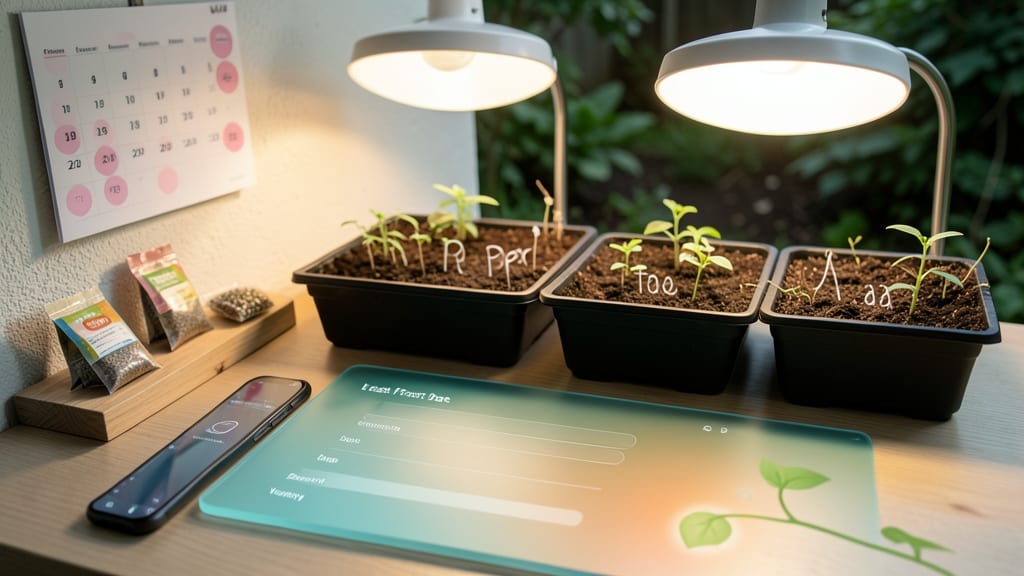
Johnny's seed starting calculator just saved me from a season of wilted seedlings and missed harvests. ✨ This free tool takes the guesswork out of timing—whether you're growing tomatoes in Texas or kale in Maine—by matching your frost dates to plant maturity.
All you need is your last frost date, the days to maturity for your varieties, and a little patience. I plug in my zone, select my plants, and it spits out exact start dates for indoor seedlings.
No more rushing or waiting too late—just perfect timing for every variety in my garden. You’ll end up with strong, healthy seedlings ready to transplant just as the soil warms. The calculator even accounts for high-altitude adjustments, so mountain gardeners get the right schedule too.
No more sad, leggy seedlings or bolting greens. For beginners, it’s a game-changer—no more second-guessing. Advanced gardeners can tweak for microclimates or succession planting. Let’s get those seeds started right!
📚 In This Guide
- What you need
- Instructions
- Tips and common mistakes
- Wrapping up and next steps
What you need
- ● Seed varieties: Choose 3–5 types (e.g., tomatoes, peppers, herbs) to calculate planting dates for.
- ● Computer/tablet/smartphone: With internet access for the calculator tool.
- ● Local climate data: Know your USDA Hardiness Zone (find it here).
- ● Notebook or digital notes: To record planting dates and deadlines.
- ● Grow lights or greenhouse: For extending seedling seasons (if needed).
- ● Seed starting trays: 2–4 cell packs or biodegradable pots (if you’re ready to plant after calculating!).
- ● Growth charts: To track seedling progress alongside your calculator dates.
- ● Weather app: For real-time frost alerts (because Mother Nature loves surprises!).
Instructions: how to use Johnny's seed starting calculator for perfect timing
This tool takes the guesswork out of seed starting—let's walk through using it like a pro.
📅 Step 1: Enter Your Last Frost Date
Start by locating your last average frost date for your region—Johnny's provides a handy US map with zip code lookup. This date marks the first safe window for transplanting tender seedlings outdoors. I always verify this against my local weather records, as microclimates can shift frost dates by 1-2 weeks. For example, a valley might frost later than surrounding hills.
Enter this date into the calculator's frost date field. The system uses this to work backward, calculating when to start seeds indoors for optimal transplant timing. If you're unsure, default to the earlier frost date—better to have seedlings ready too soon than too late. You'll see the calculator adjust all subsequent dates automatically once this foundational input is set.
☀️ Step 2: Select Your Plant Varieties
Choose the specific plants you want to grow from Johnny's extensive database. Each variety has unique days-to-maturity requirements that the calculator uses to determine ideal starting windows. For instance, basil typically matures in 60-75 days, while tomatoes range from 70-90 days. The calculator cross-references these with your frost date to generate precise start dates.
I recommend starting with 2-3 varieties to test the system before expanding. Pay attention to the "Days to Germination" and "Days to Transplant" columns—these show when you'll see sprouts and when seedlings will be ready to move outdoors. The calculator also flags varieties that need stratification or scarification, so you won't miss critical prep steps.
⏰ Step 3: Adjust for Your Seed Starting Conditions
Tell the calculator about your indoor growing setup—this is where precision pays off. Input whether you're using grow lights (essential for consistent results) or natural light, and specify your average indoor temperature. Cooler homes may require starting seeds 1-2 weeks earlier than the calculator's default, while heated seedling mats can delay starts by 3-5 days. I've found that maintaining 70-75°F soil temperature accelerates germination by 25-30% compared to room temperature.
The calculator also accounts for hardening-off periods (typically 7-10 days) before transplanting. If you plan to extend your season with row covers or cold frames, adjust the "Transplant Window" to reflect your true last frost date. This prevents premature transplanting into unpredictable spring weather. Save your customized settings for next year—your future self will thank you.
📊 Step 4: Review and Adjust the Generated Schedule
The calculator presents a color-coded timeline showing when to start seeds, expected germination dates, transplant readiness, and harvest windows. Green indicates optimal timing, while yellow highlights potential adjustments. For example, if your basil shows up in the yellow zone, you might need to start seeds 5-7 days earlier or extend your growing season.
Here's the thing—this schedule assumes ideal conditions. If your seedlings typically germinate 3-5 days slower (due to cooler temps or older seeds), manually adjust the "Germination Buffer" in the advanced settings. The calculator even suggests backup start dates in case of germination failures. Print this schedule and tape it to your seed-starting station—visual reminders prevent missed deadlines.
🔄 Step 5: Implement and Monitor Your Seed Starting Plan
With your customized schedule in hand, begin sowing according to the calculator's priority order (usually starting with longest-maturity crops). Use a seedling heat mat for the first 7-10 days to ensure consistent germination, especially for finicky varieties like peppers or eggplants. The calculator's "Moisture Checkpoints" remind you when to water—typically every 2-3 days until seedlings emerge, then reduce to every 4-5 days once true leaves appear.
Set calendar alerts for each phase: germination, first true leaves, transplant readiness, and hardening-off. I like to photograph seedlings at each stage and compare them to the calculator's ideal growth milestones. If your seedlings look leggy or pale, the calculator's "Light Adjustment" tool suggests moving grow lights closer (down to 2-3 inches) or increasing daily light hours to 14-16. This real-time feedback loop turns the calculator from a static tool into your growing partner.
Tips & tricks for perfect seed starting timing
Precision planting starts with understanding these key adjustments—trust me, they'll transform your seedling success rate.
Frost Date Flexibility: When entering your last frost date in Step 1, I always cross-reference with my local weather records. Microclimates can shift frost dates by 1-2 weeks, so if you're in a valley or near water, verify with a neighbor's records or local extension office. The calculator's default might be too optimistic for your specific location.
Variety-Specific Adjustments: In Step 2, pay special attention to the "Days to Germination" column for each variety. For example, peppers and eggplants can take 10-14 days to germinate, while basil sprouts in just 5-7 days. The calculator accounts for this, but I've found that adding 2-3 extra days to germination estimates for older seeds prevents disappointment when seedlings don't appear on schedule.
Soil Temperature Precision: The calculator's 70-75°F soil temperature recommendation in Step 3 is non-negotiable for fast germination. I use a seedling heat mat for the first 7-10 days and monitor soil temp with a small thermometer. If your home stays below 68°F, consider starting seeds 1-2 weeks earlier or using a heated propagator—this adjustment can mean the difference between thriving seedlings and failed batches.
Hardening-Off Strategy: The 7-10 day hardening-off period in Step 3 is where many gardeners cut corners. I recommend starting with just 2 hours of outdoor exposure on day 1, gradually increasing by 1 hour each day. This gradual approach prevents shock while still preparing seedlings for transplant. The calculator's timeline accounts for this, but I've seen seedlings that didn't harden properly struggle with transplant shock even when following the exact schedule.
Pro Tips for Johnnys Seed Starting Calculator
- Precision planting starts with understanding these key adjustments—trust me, they'll transform your seedling success rate.
- Frost Date Flexibility: When entering your last frost date in Step 1, I always cross-reference with my local weather records.
- Variety-Specific Adjustments: In Step 2, pay special attention to the "Days to Germination" column for each variety.
Frequently asked questions
Got questions about using Johnny’s Seed Starting Calculator to nail your planting dates? You’re not alone—here are the answers to the most common ones!
How accurate is the calculator for my specific location?
The calculator uses USDA Plant Hardiness Zones and local frost dates, but for hyper-local precision, check your last frost date (via Almanac’s tool) and adjust ±5–7 days for safety. Urban areas or microclimates (like near water) may need tweaks!
Can I use this for seeds that need stratification or scarification?
Yes! The calculator accounts for pre-treatment time—just input your seed’s specific days (e.g., 30 for stratification) under “Additional Notes.” For scarification, start seeds earlier than the calculator suggests, as it speeds up germination.
What if my frost date is later than the calculator’s default?
No problem! Override the frost date in the “Customize” tab. For example, if your zone’s last frost is May 15 but the calculator shows April 30, adjust it to match your records. Pro tip: Add 2 weeks to transplant dates for high-altitude areas.
Are there alternatives if I don’t have grow lights?
Use a sunny windowsill (south-facing, 6+ hours of light) or a seedling heat mat to compensate. For long-day plants (like lettuce), supplement with a CFL bulb 12–14 hours/day. The calculator’s “Light Requirements” filter helps pick low-light-tolerant seeds.
My seedlings look leggy—did I mess up the timing?
Leggy seedlings often mean too little light or overcrowding. Double-check your seed-to-light distance (1–2” away) and thin seedlings per the calculator’s spacing guide. If it’s timing-related, Start earlier next time—but avoid transplanting before soil warms to 60°F+.
How do I adjust for indoor vs. outdoor growing?
The calculator assumes outdoor transplanting. For indoor starts (like herbs in pots), ignore the “Last Frost” date and focus on the seed’s days to maturity. Example: Basil (60 days) can start anytime—just harvest before flowering!
Wrapping up and next steps
Mastering your seed starting schedule with Johnny’s Seed Starting Calculator takes the guesswork out of gardening—no more missed deadlines or rushed transplants! 🌱 By inputting your location, plant type, and last frost date, you’ll unlock precise planting windows tailored to your climate.
Whether you’re a seasoned grower or a curious beginner, this tool empowers you to start strong and harvest confidently.
Ready to turn your green thumb dreams into reality? Download the calculator today, jot down your personalized dates, and get those seeds sprouting with purpose! 🚀 Happy planting!