
Lawn
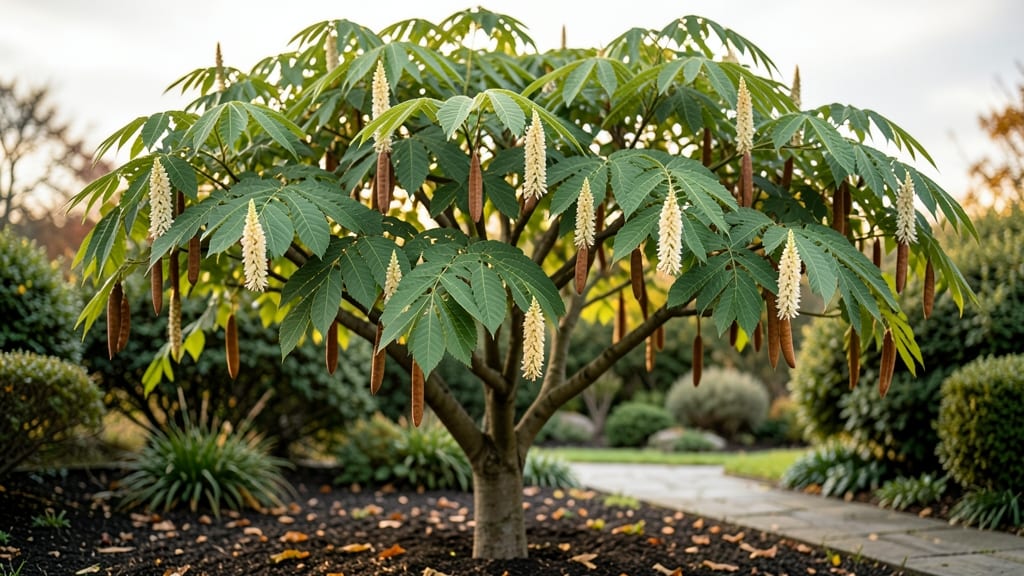
Those explosive Japanese pagoda tree seed pods are nature’s way of turning seed saving into a dramatic show—no tools needed. 🌿 I’ve watched them split open with a satisfying pop on warm autumn days, releasing seeds that could grow into a shade-loving tree with golden blooms.
The real magic? These pods do all the work for you, making seed collection effortless if you time it right.
Here’s the secret: harvest pods when they’re dry and brown but still intact—usually in late fall—then store them in a paper bag until they burst open naturally.
Each pod holds 5-10 seeds, and with just a little patience (and maybe a cold stratification trick for stubborn seeds), you’ll be planting them by winter. No soaking, no scarifying—just let the tree’s built-in mechanism handle the prep work.
By spring, you’ll have fast-growing seedlings that thrive in full sun to partial shade, perfect for temperate climates. The trees mature into stately specimens with fragrant summer flowers and a canopy that outshines most shade trees.
Plus, the seeds themselves are drought-tolerant once established, so they’re low-maintenance after the initial care.
Whether you’re saving seeds for future trees or just fascinated by how these pods work, this method turns a backyard chore into a zero-waste, zero-effort gardening win. Let’s get those pods popping—and those trees growing!
📚 In This Guide
- What you need
- Instructions
- Tips and common mistakes
- Wrapping up and next steps
What you need
- ● Japanese pagoda tree seed pods: Harvest at least 10-15 mature pods (they’ll be brown, dry, and slightly papery). Aim for pods that are fully open or just starting to split—these are the best for seed-saving!
- ● Pruning shears or small scissors: A pair with sharp, clean blades to snip pods from branches without damaging the tree.
- ● Paper bags or breathable mesh bags: 2-3 medium-sized bags (brown paper or fabric works best) to store pods while they dry.
- ○ Tweezers or gloved hands: For gently handling pods and seeds—optional but helpful to avoid prickly textures!
- ● Labeling tags or masking tape: To mark bags with the harvest date and tree location (e.g., "Pagoda Tree – Backyard 2024").
- ● Drying surface: A flat, well-ventilated area like a screen tray, cardboard box, or even a clean windowsill.
- ● Magnifying glass: To inspect seeds for viability or spot pests.
- ● Seed envelope or airtight container: For long-term storage (e.g., a glass jar with a lid or paper seed packets).
- ● Humidity pack: A small silica gel packet to keep stored seeds dry if you live in a damp climate.
- ● Camera or phone: To snap photos of pods/seeds for future reference or sharing with fellow gardeners!
Step-by-Step guide to collecting and planting Japanese pagoda tree seeds
Here’s how to harvest those iconic seed pods and grow new trees with minimal effort.
🌿 Step 1: Identify and Harvest Mature Seed Pods
Japanese pagoda trees (Sophora japonica) produce distinctive, papery seed pods that naturally split open when mature. Look for pods that are dry, brown, and starting to crack along their seams—this is your signal they’re ready. Harvest them in late fall or early winter before birds scatter the seeds.
Gently twist the pods from the branch to avoid damaging the tree. Place them in a paper bag (not plastic—it traps moisture and causes mold). Store the bag in a cool, dry place for 2-3 weeks to ensure full drying. If you rush this step, seeds may not germinate properly.
💧 Step 2: Extract Seeds and Stratify for Germination
Once pods are completely dry, open them carefully—they’ll split into three sections, each containing 1-2 seeds. Remove the seeds and discard the papery husk. Japanese pagoda tree seeds require stratification to break dormancy, mimicking winter’s natural cycle.
Mix the seeds with moistened sand or perlite in a sealed container. Store them in the refrigerator for 6-8 weeks at 35-40°F. Check weekly to ensure the mix stays damp but not soggy. This cold treatment tricks the seeds into thinking winter has passed, prompting them to germinate in spring.
☀️ Step 3: Sow Seeds in Well-Draining Soil
After stratification, plant the seeds ¼ inch deep in a light, well-draining mix (avoid heavy garden soil—it causes rot). Use small pots or a seed tray with drainage holes. Keep the soil consistently moist but never waterlogged. Place the container in a bright, indirect light spot (no direct sun yet).
Germination can take 4-8 weeks, depending on temperature. Be patient—these seeds don’t rush. Once seedlings emerge, move them to a sunny window or under grow lights for 12-14 hours daily. Thin seedlings to the strongest 2-3 per pot to prevent overcrowding.
🌱 Step 4: Transplant Seedlings Outdoors
Wait until after the last frost and soil temperatures reach at least 60°F before transplanting. Choose a sunny location with well-draining soil—Japanese pagoda trees thrive in full sun to partial shade and tolerate drought once established.
Dig a hole twice as wide as the root ball but no deeper. Space seedlings 15-20 feet apart (they grow large!). Water deeply after planting to settle the soil. Mulch around the base with 2-3 inches of organic mulch to retain moisture and suppress weeds. Avoid fertilizing the first year—young trees need time to adjust.
Tips & tricks for perfect Japanese pagoda tree seed germination
These pro tips will help you maximize your seed success and avoid common pitfalls with Japanese pagoda tree seeds.
Pod Harvesting Precision: When harvesting those distinctive brown pods in Step 1, focus on the ones that have already begun cracking naturally. These are your best candidates for germination—avoid harvesting any that are still green or tightly sealed. I've learned the hard way that forcing immature pods to dry prematurely leads to poor germination rates. If you're unsure about maturity, gently squeeze a pod: if it opens easily with minimal pressure, it's ready.
Stratification Environment: The 6-8 week cold treatment in Step 2 is absolutely critical, but the refrigerator environment matters just as much as the duration. Place your sealed container on a shelf where the temperature stays consistently between 35-40°F—avoid the crisper drawer which can be too cold and potentially freeze your seeds. I recommend checking the temperature with a small thermometer if you're concerned about fluctuations. The goal is to simulate natural winter conditions without going too cold.
Lighting Strategy: Once you've planted your stratified seeds in Step 3, proper lighting becomes your new focus. While bright indirect light is ideal initially, you'll eventually need to transition to 12-14 hours of direct sunlight or grow lights. I've found that using a simple LED grow light just 6 inches above the seedlings provides perfect conditions. The key is gradual acclimation—start with 4 hours of light per day and increase by 1 hour every few days to prevent shock.
Transplanting Timing: Waiting for soil temperatures to reach at least 60°F before transplanting in Step 4 is crucial, but don't wait until the last possible moment. I recommend monitoring your local frost dates and planning to transplant about 2 weeks before the average last frost date. This gives your seedlings time to establish roots before any unexpected late frosts. Also, consider hardening off your seedlings by placing them outdoors in a sheltered spot for a few hours each day during the week before transplanting.
Pro Tips for Japanese Pagoda Tree Seed Pods
- These pro tips will help you maximize your seed success and avoid common pitfalls with Japanese pagoda tree seeds.
- Pod Harvesting Precision: When harvesting those distinctive brown pods in Step 1, focus on the ones that have already begun cracking naturally.
- Stratification Environment: The 6-8 week cold treatment in Step 2 is absolutely critical, but the refrigerator environment matters just as much as the duration.
Frequently asked questions
about Japanese pagoda tree seed pods—because growing these unique plants should be easy and fun!When do Japanese pagoda tree seed pods ripen and pop open?
The pods typically ripen and begin popping open in late fall to early winter (October–December in most U.S. regions). They’ll release seeds dramatically when dry—sometimes with a satisfying “pop”! If they don’t open naturally, place them in a paper bag for a few days to dry further.
Can I grow Japanese pagoda trees from seed pods I find on the ground?
Just ensure the pods are fully dry and brown (not green or squishy). Collect them, let them finish drying indoors, then shake or cut them open to extract seeds. Plant them in well-draining soil—no special treatment is needed!
What do I do if my seed pods won’t open or release seeds?
If pods stay closed, they may need more drying time. Try these fixes:
- Bake them: Place pods in a 150°F (65°C) oven for 1–2 hours to mimic natural drying.
- Freeze them: Pop them in the freezer overnight, then thaw to encourage splitting.
- Gently cut open: Use scissors to release seeds if pods are stubborn.
Are there alternatives if I can’t find Japanese pagoda tree seed pods?
No worries! Try these zero-waste seed-saving options:
- Buy seeds online: Reputable nurseries sell certified seeds (e.g., Styphnolobium japonicum).
- Graft branches: Contact local arborists or tree societies—they often share cuttings.
- Check nearby parks: Mature pagoda trees (with permission) may drop pods in fall.
How long does it take for seeds to germinate after planting?
Japanese pagoda tree seeds usually germinate within 2–4 weeks in warm soil (60–70°F / 15–21°C). Keep soil moist but not soggy, and place pots in bright, indirect light until sprouts appear. Patience is key—some seeds may take up to 2 months!
Wrapping up and next steps
Japanese pagoda tree seed pods are a zero-waste gardening marvel—nature’s clever way to simplify seed saving while reducing clutter. Their self-popping mechanism makes them perfect for eco-conscious gardeners, offering both beauty and practicality in one package.
Whether you’re a seasoned green thumb or a curious beginner, these pods prove that sustainability can be effortless and rewarding!
Ready to dive in? Start by observing your tree’s pods this fall—you might just discover a new favorite way to grow with nature’s help. 🌱