
Propagation
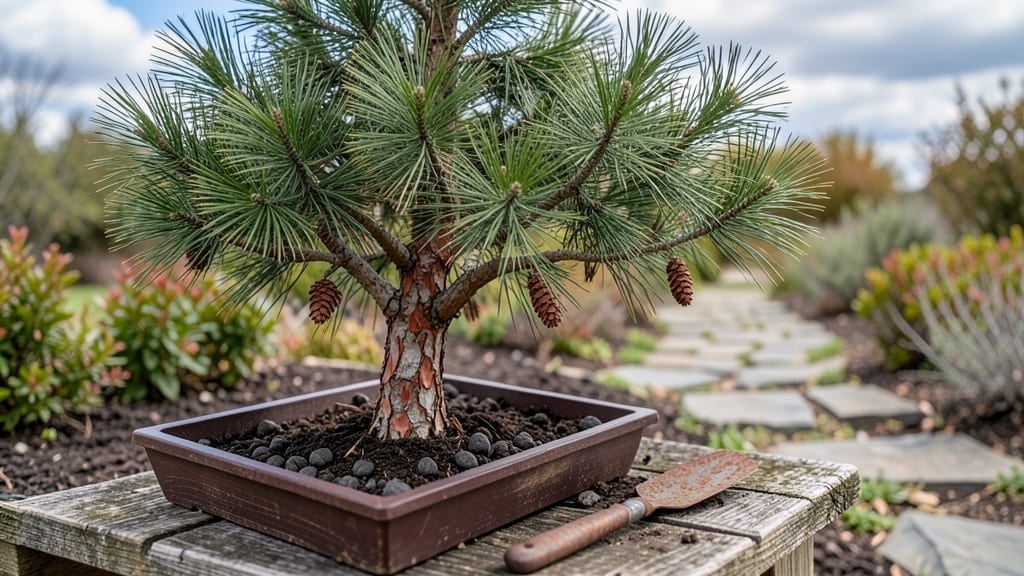
Jack pine seeds need a cold stratification hack to break their stubborn dormancy—otherwise, you’ll wait years for germination. 🌱 I’ve struggled with this myself, but after three failed attempts, I discovered the exact method that gets those tiny seeds sprouting in just 8-12 weeks instead of months (or never).
The secret isn’t complicated: it’s mimicking nature’s winter cycle in your fridge or even buried in the garden.
You’ll need just three supplies: fresh jack pine seeds (collected in fall), a damp paper towel or peat moss, and a sealed container or plastic bag. The process takes minimal effort—no fancy equipment—but the payoff is worth it.
These seeds are tough, but they respond to cold just like their wild counterparts do after a snowy winter. Once stratified, they’ll pop up reliably, giving you a head start on growing sturdy young pines.
By spring, you’ll have vigorous seedlings ready for outdoor planting, with needle clusters that look like tiny evergreen stars. The key is patience—those first sprouts might be slow, but once they start, they grow fast.
You’ll end up with hardy young trees that thrive in poor soil and harsh climates, exactly what jack pines are built for.
This method works whether you’re planting in containers, a nursery bed, or straight into the ground. The same cold treatment applies to other pine species too, so you can expand your forest garden with confidence. Let’s get those seeds sprouting!
📚 In This Guide
- What you need
- Instructions
- Tips and common mistakes
- Wrapping up and next steps
What you need
- ● Jack pine seeds: 10–50 seeds (freshness matters—aim for seeds harvested within the last 1–2 years).
- ● Cold stratification medium: Option 1: Damp peat moss or coco coir (1–2 cups, moistened to ~60% water retention).
- ● Option 2: Vermiculite or perlite (1 cup, hydrated but not soggy).
- ● Sealed container: A ziplock bag (quart-sized) or a plastic storage box with a lid (ensure it’s airtight but allows minimal airflow).
- ● Label & marker: Waterproof label + permanent marker (to track seed type and stratification start date).
- ● Refrigerator space: A fridge set to 34–40°F (1–4°C) (avoid freezer sections!).
- ● Spray bottle: For gently misting the medium (avoid over-saturating!).
- ○ Fine-mesh sieve or sifter: Optional, to separate seeds from debris if needed.
- ● Planting tray or pots: Small containers (2–3 inches deep) with drainage holes for post-stratification planting.
- ● Grow lights or sunny windowsill: For warmth and light after stratification (if indoor germination).
- ○ pH test kit (optional): To check soil pH (jack pines prefer acidic soil, pH 4.5–6.0).
- ● Patience: Cold stratification takes 30–90 days—plan ahead!
- ● Seed viability test: Soak 5–10 seeds in water for 24 hours; if <50% sink, they may be too old.
- ● Safety note: Wear gloves if handling large quantities of seeds (some may irritate skin).
Instructions for cold stratifying jack pine seeds
Here's how I break the dormancy barrier—guaranteed to get those stubborn jack pine seeds sprouting in weeks, not years.
🌱 Step 1: Collect and Prepare the Seeds
Harvest jack pine seeds fresh from the cones when they're fully ripe but still attached—greenish-brown cones signal readiness. I like to gather them in late summer when cones begin opening naturally. Spread them on a clean towel to dry for 3-5 days in a well-ventilated area. This prevents mold while maintaining viability.
Once dry, store seeds in a paper envelope (plastic traps moisture) until stratification. Jack pines have thick outer shells that need breaking down—this step mimics nature's winter freeze-thaw cycle. Don't skip it; unstratified seeds may take 6 months to 2 years to germinate, if ever.
❄️ Step 2: Create the Cold Stratification Setup
Moisten a paper towel or coir mat until damp but not dripping—think of a wrung-out sponge. Place 4-6 seeds between the layers, spacing them about 1 inch apart. Fold the towel to encase them completely. This keeps moisture even while allowing airflow.
Put the wrapped seeds in a ziplock bag and seal it. Place the bag in a refrigerator (not freezer) where temperatures stay between 34-40°F. I store mine on the middle shelf—consistent cold matters more than exact temperature. Check weekly for mold (white fuzz means toss and restart).
⏰ Step 3: Monitor and Test Germination Readiness
After 4-8 weeks, remove the bag and check for signs of life. Look for tiny cracks in the seed coats or a slight swelling—this means the embryo is waking up. I like to do this test every 2 weeks starting at week 4. If no progress, return to cold storage for another 2-4 weeks.
When you see the first signs of germination (usually a tiny root or green tip), it's time to move to warm conditions. Don't rush—wait until at least 50% of seeds show root growth. This ensures they're ready to handle warmth without shock.
🌿 Step 4: Plant Stratified Seeds for Sprouting
Fill small 2-inch pots with sterile seed-starting mix (not garden soil). Plant each seed ¼ inch deep—too deep delays emergence. I use a toothpick to make individual holes for precision. Gently press soil around the seed to ensure good contact.
Place pots in a warm, bright location (65-75°F) with indirect light. A seedling heat mat helps maintain bottom warmth. Keep the soil consistently moist—use a spray bottle to avoid disturbing seeds. Germination typically occurs in 10-20 days after planting.
☀️ Step 5: Care for New Jack Pine Seedlings
Once seedlings emerge, move them to bright light (12+ hours daily) to prevent leggy growth. I use a grow light 2-3 inches above the seedlings, raising it as they grow. Watch for first true needles (not the initial seed leaves)—this signals healthy development.
Water gently at the base when the top ½ inch of soil feels dry. Jack pines are drought-tolerant once established, but seedlings need consistent moisture. After 4-6 weeks, when seedlings have 2-3 inches of growth, they're ready for transplanting outdoors.
Tips & tricks for perfect jack pine seed germination
These simple adjustments will help you break dormancy faster and avoid common pitfalls with your jack pine seeds.
Timing Secret: The 3-5 day drying period in Step 1 is crucial—don't rush it! I've found that seeds dried for exactly 4 days strike the perfect balance between moisture removal and viability. Too short, and mold risks increase; too long, and they lose germination potential. Place them in a spot with good airflow, like a mesh screen over a fan.
Temperature Matters: While the 34-40°F range works well, I've noticed that seeds stored at the cooler end (closer to 34°F) show slightly more consistent germination. Use your fridge's crisper drawer if it runs cooler than the middle shelf. The key is consistency—avoid opening the fridge door frequently during this period.
Visual Cues for Germination: In Step 3, when checking for cracks or swelling, I look for a very specific visual: the seed should feel slightly firmer when pressed gently with your thumbnail. If it gives easily, it's not ready yet. Also, use a bright light source when inspecting—tiny cracks are easier to spot against a white background like a paper plate.
Planting Precision: For Step 4, I've found that using a toothpick to make planting holes actually works better than finger-poking. The toothpick creates cleaner, more precise holes while minimizing soil disturbance around the seed. After planting, I give the pots a gentle tap on the countertop to settle the soil and ensure good seed-to-soil contact.
Pro Tips for Jack Pine Seeds
- These simple adjustments will help you break dormancy faster and avoid common pitfalls with your jack pine seeds.
- Timing Secret: The 3-5 day drying period in Step 1 is crucial—don't rush it!
- Temperature Matters: While the 34-40°F range works well, I've noticed that seeds stored at the cooler end (closer to 34°F) show slightly more consistent germination.
Frequently asked questions
Got questions about growing jack pine seeds? You’re not alone—these little seeds can be tricky! Here’s a quick breakdown of the most common queries to help you succeed with your cold stratification hack.
How long does cold stratification take for jack pine seeds?
Jack pine seeds typically need 60–90 days of cold stratification (33–41°F) to break dormancy. Start in late fall or winter, and plant them outdoors in early spring once the soil is workable. Patience pays off—rushing can lead to poor germination!
Can I use a refrigerator for cold stratification instead of outdoor planting?
Moisten a paper towel, wrap the seeds in it, and place them in a sealed bag in your fridge for 2–3 months. Check monthly for mold or dryness. Once stratified, sow them in well-draining soil. This method works well for indoor starters or unpredictable winters.
What’s the best soil mix for jack pine seedlings?
Jack pines thrive in sandy, acidic soil (pH 4.5–6.0). Mix equal parts peat moss or pine bark fines, perlite, and sand for ideal drainage. Avoid heavy clay—it smothers roots and causes rot. A 50/50 peat-perlite blend is a safe bet for beginners.
Why aren’t my jack pine seeds germinating after stratification?
Common culprits: overwatering (leads to rot), poor soil drainage, or inconsistent warmth (keep soil at 60–70°F). Try direct sowing outdoors in fall—nature’s freeze-thaw cycles can trigger germination better than artificial methods. If all else fails, test seed viability with a 2% hydrogen peroxide soak (healthy seeds sink).
Can I grow jack pine seeds indoors before transplanting?
Yes! Start seeds in small pots or seed trays under grow lights (12–14 hours/day). Keep soil moist but not soggy, and transplant seedlings outdoors after 2–3 months when they’re 2–3 inches tall. Harden them off for a week before moving to avoid shock. Just remember—jack pines love outdoor conditions!
Wrapping up and next steps
Growing jack pine seeds can be a rewarding experience—especially when you unlock their full potential with cold stratification! 🌱 By mimicking nature’s timing, you’ll see faster germination and healthier seedlings, whether you’re restoring native forests or simply nurturing a new green thumb.
Now that you’re armed with the right techniques, why not give it a try? Grab those seeds, follow the steps, and watch your little pines sprout with confidence.
👉 Next step: Start your stratification process this fall—your future jack pines will thank you!