
Pruning
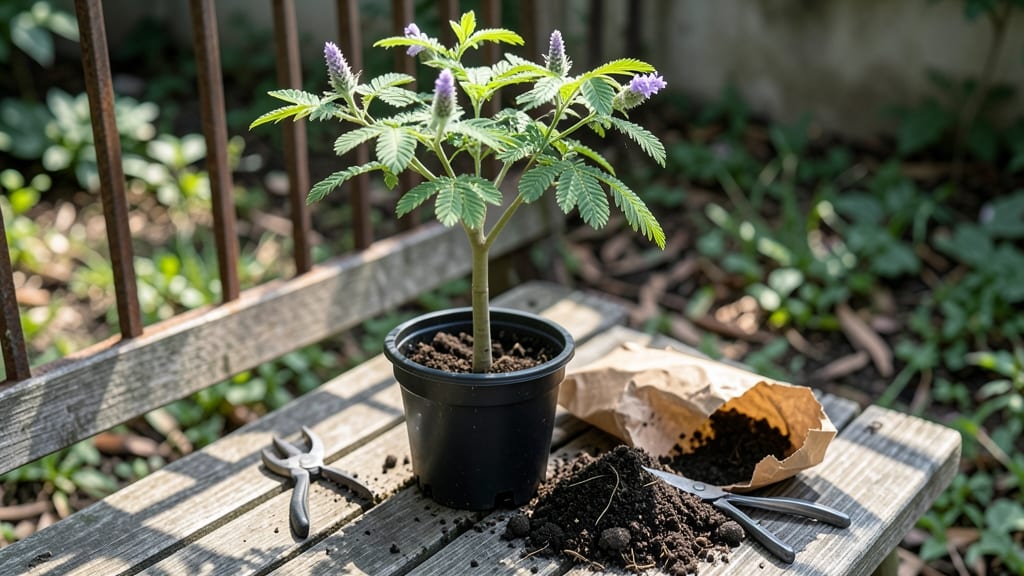
Growing jacaranda tree seedlings from cold-hardened transplants means year-round purple blooms that turn your yard into a dreamy spring canvas. 🌿 I planted mine last fall, and now they’re already sending out fresh green shoots—proof that patience pays off when you start with the right stock.
The secret lies in timing and soil prep. Jacarandas thrive in well-draining soil and full sun, but they hate soggy roots. Amend heavy clay with compost, and plant in late winter to early spring when the ground is workable but frost-free.
A 5-gallon pot gives roots room to establish before transplanting. Once planted, keep soil moist but not soggy for the first month, then taper watering as leaves appear. A balanced fertilizer in spring kickstarts growth, and light pruning after flowering keeps the shape tidy.
Watch for aphids—they love new growth, but a strong spray of water usually clears them. By next summer, you’ll have a tree heavy with fragrant blooms, and the best part? These cold-hardened starts bounce back from winter better than nursery-bought saplings. Let’s get those seedlings in the ground!
📚 In This Guide
- What you need
- Instructions
- Tips and common mistakes
- Wrapping up and next steps
What you need
- ● Jacaranda tree seedlings (3–5 plants, depending on space; choose cold-hardened varieties like Jacaranda mimosifolia or Jacaranda acutifolia)
- ● Well-draining potting mix (6–8 bags, 1 cubic foot each; blend 60% garden soil, 30% perlite, and 10% compost)
- ● Containers or nursery pots (5–7 gallon pots with drainage holes; 1 per seedling)
- ● Shovel or trowel (for transplanting; 1 stainless-steel model, 8–10 inches long)
- ● Watering can or hose with a gentle spray nozzle (1 gallon capacity or larger)
- ○ Mulch (optional but recommended) (2–3 bags of pine bark or wood chips, 2–3 inches thick)
- ● Pruning shears (bypass type, 6–8 inches; for shaping and maintenance)
- ● Fertilizer (balanced 10-10-10 or slow-release granular; 1–2 pounds per plant annually)
- ● Soil moisture meter (to monitor watering needs)
- ● Plant supports (stakes or cages) (for young seedlings in windy areas)
- ● Epsom salt (1–2 tablespoons per gallon of water; boosts magnesium for vibrant blooms)
- ● Cold-frame or frost cloth (for protecting seedlings in early spring/fall)
- ● Garden gloves (to keep hands clean and protected)
Step-by-Step instructions for cold-hardening jacaranda tree seedlings
Here’s how to transform tender jacaranda seedlings into resilient, blooming trees ready for permanent planting.
🌱 Step 1: Acclimate Seedlings to Outdoor Conditions Gradually
Start hardening off your jacaranda seedlings 2-3 weeks before your last expected frost date. Move them to a sheltered outdoor spot—like a covered porch or under a tree—where they’ll receive dappled sunlight for 2-3 hours daily. This gradual shift prevents shock from sudden temperature swings.
Watch for new growth on the stems and leaves as a sign they’re adjusting. If you notice wilting, move them back inside for another day or two. Jacarandas are tropical at heart, so they need time to toughen up. I like to place them near a south-facing wall where they get morning sun but afternoon shade.
☀️ Step 2: Increase Sun Exposure and Wind Exposure Slowly
After 5-7 days of partial outdoor exposure, begin extending their time outside by 1 hour daily. By day 10, they should tolerate 6-8 hours of direct sunlight, especially if your climate is mild. Jacarandas thrive in full sun, but sudden exposure causes leaf scorch.
Introduce gentle wind by placing them near an open window or balcony railing. This mimics natural conditions and strengthens their stems. You’ll know they’re ready for full outdoor conditions when their leaves stay firm and vibrant—no yellowing or curling. Avoid hard frosts at all costs; even hardened seedlings won’t survive below 25°F.
💧 Step 3: Adjust Watering to Mimic Outdoor Conditions
Reduce indoor watering frequency by 30% once seedlings are outside. Jacarandas prefer drier soil once established, so let the top 1-2 inches dry out between waterings. Overwatering now can lead to root rot, which weakens their cold resistance.
Water deeply in the morning to allow excess moisture to evaporate before evening. If your seedlings are in containers, ensure drainage holes are clear—jacarandas hate soggy roots. You’ll see stronger stems and glossier leaves as they adapt to their new watering routine.
⏰ Step 4: Prepare for Permanent Planting
When nighttime temperatures consistently stay above 50°F and there’s no frost in the forecast, it’s time to plant. Choose a location with well-draining soil and full sun exposure—jacarandas bloom best in warm, sunny spots. Dig a hole twice as wide as the root ball but no deeper.
Gently remove seedlings from their containers and loosen any circling roots with your fingers. Place them in the hole at the same depth they were growing before, then backfill with soil and water thoroughly. Mulch around the base with 2-3 inches of organic mulch to retain moisture and regulate soil temperature.
🌿 Step 5: Monitor and Protect Newly Planted Seedlings
Keep a close eye on your jacarandas for the first 2 weeks after planting. Water deeply every 3-4 days unless rainfall provides sufficient moisture. Avoid wetting the leaves to prevent fungal diseases, which can stress young trees.
If an unexpected cold snap threatens, cover the tree with frost cloth or a lightweight blanket secured loosely around the trunk. Jacarandas are sensitive to cold, but with proper care, they’ll reward you with vibrant purple blooms come spring. Prune any damaged leaves or branches in early spring to encourage healthy new growth.
Tips & tricks for cold-hardened jacaranda transplants
Here's what nobody tells you about transforming delicate seedlings into frost-tolerant beauties.
Acclimation Timeline: The 2-3 week outdoor transition in Step 1 is non-negotiable for tropical jacarandas. I've seen gardeners rush this process and end up with wilted, stressed plants that never recover. Start with that dappled sunlight exposure and gradually increase—your seedlings will thank you with stronger stems and glossier leaves by the time you're ready to plant. Think of it as their tropical boot camp.
Sun Exposure Secret: When you reach the 6-8 hour direct sunlight mark in Step 2, watch for the first signs of leaf scorch—those crispy brown edges. This is your warning to move them to partial shade for a few hours. Jacarandas are sun lovers, but they need to adjust slowly. I've found that morning sun with afternoon shade works best in most climates, especially during the transition period.
Watering Wisdom: That 30% reduction in watering frequency from Step 3 is critical—jacarandas hate soggy roots. Let the top 1-2 inches dry out completely between waterings, especially once they're fully hardened. I've learned this the hard way after losing seedlings to root rot. Morning watering is key too; it gives excess moisture time to evaporate before evening, preventing fungal issues that can stress young trees.
Planting Preparation: Before you dig that hole twice as wide as the root ball in Step 4, take a moment to loosen any circling roots with your fingers. This prevents girdling as the tree matures. I also like to add a handful of compost to the backfill soil—it gives those tender roots a nutrient boost right when they need it most. The 2-3 inches of organic mulch isn't just for looks; it regulates soil temperature and retains moisture without smothering the roots.
Pro Tips for Jacaranda Tree Seedlings
- Here's what nobody tells you about transforming delicate seedlings into frost-tolerant beauties.
- Acclimation Timeline: The 2-3 week outdoor transition in Step 1 is non-negotiable for tropical jacarandas.
- Sun Exposure Secret: When you reach the 6-8 hour direct sunlight mark in Step 2, watch for the first signs of leaf scorch—those crispy brown edges.
Frequently asked questions
Got questions about growing jacaranda tree seedlings? You’re in the right place! Here are answers to the most common queries—from planting tips to troubleshooting—so you can nurture healthy, blooming trees all year.
When is the best time to plant jacaranda tree seedlings?
Plant your seedlings in early spring (after the last frost) or late fall for best results. Cold-hardened transplants thrive in mild weather, and this timing gives roots time to establish before summer heat. Avoid planting in extreme heat or cold—jacarandas are sensitive to temperature shocks!
Can jacaranda seedlings survive winter in colder climates?
Cold-hardened jacaranda seedlings (like Jacaranda mimosifolia varieties) can tolerate brief dips to 20°F (-6°C), but prolonged freezing may damage them. For colder zones (USDA 9+), plant in sheltered, sunny spots and mulch heavily. If winters are harsh, consider container-growing and moving them indoors during frost.
How do I care for jacaranda seedlings after transplanting?
Keep soil consistently moist but not soggy for the first 2–3 weeks. Water deeply 2–3 times per week (adjust for heat/drought). Avoid fertilizing immediately—wait 4–6 weeks to let roots recover. Prune only to shape; heavy pruning can stress young seedlings.
Why aren’t my jacaranda seedlings blooming?
Jacarandas need 3–5 years to mature and bloom. If they’re older but still not flowering, check for:
- Sunlight: They need full sun (6+ hours/day).
- Soil: Well-draining, slightly alkaline soil (pH 6.5–7.5) is ideal.
- Water stress: Over/under-watering can delay blooms.
What’s a good alternative if jacaranda seedlings don’t thrive in my area?
If your climate is too harsh, try these low-maintenance, drought-tolerant alternatives:
- Royal Poinciana (Delonix regia) – Bright orange blooms, similar care.
- Lagerstroemia (Crape Myrtle) – Adaptable, colorful, and cold-hardy.
- Bougainvillea – Thrives in heat, offers vibrant flowers.
Wrapping up and next steps
Growing jacaranda tree seedlings as cold-hardened transplants is a rewarding way to enjoy their stunning purple blooms year after year—even in cooler climates! 🌸 With the right preparation, soil care, and pruning techniques, you’ll set your seedlings up for success.
Whether you’re a seasoned gardener or just starting, the key is patience and consistency.
Ready to take the next step? Start by selecting healthy seedlings and gradually acclimate them to outdoor conditions. Then, monitor their growth, prune strategically, and protect them during frost. Your future jacaranda tree will thank you with vibrant, long-lasting flowers!