
Lawn
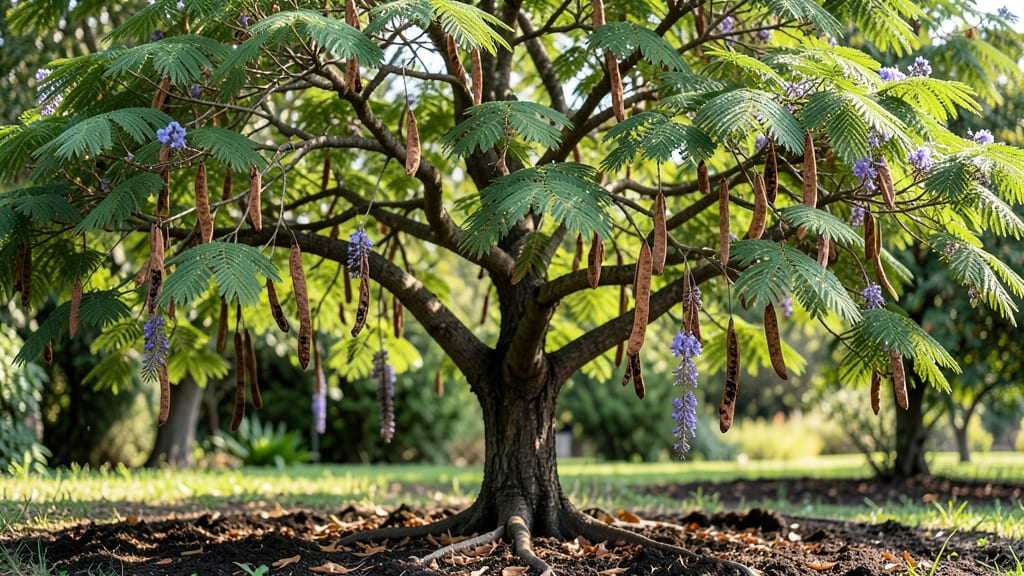
Those jacaranda seed pods aren’t trash—they’re free trees waiting to happen. 🌿 I’ve collected hundreds of them after my tree’s spring bloom, and every one holds the potential for a stunning shade tree, if you know how to handle them right.
The key? Extracting the seeds without the messy twists or wasted effort that frustrates so many gardeners.
Start by gathering pods when they’re dry and papery—usually late summer or early fall. A simple twist-free method uses a hammer and a plastic bag: smash the pods gently, then sift out the seeds.
No sticky residue, no frustration. Once you’ve got clean seeds, store them in a cool, dry place until spring planting. The process takes under 10 minutes for a full pod harvest.
What you’ll end up with are robust seedlings that grow into those iconic lavender blooms every spring. With the right soil—well-draining and slightly acidic—and full sun, your jacaranda will thrive. The best part? You’re saving money, reducing waste, and getting a head start on a tree that’ll outlive you.
Works for urban yards, suburban landscapes, or even large estates. Here’s how to do it without the usual headaches—because growing from seed shouldn’t feel like a chore.
📚 In This Guide
- What you need
- Instructions
- Tips and common mistakes
- Wrapping up and next steps
What you need
- ● Fresh jacaranda seed pods: Collect 10–20 pods (depending on size; larger pods yield more seeds). Ensure they’re fully mature (dry, brown, and slightly papery).
- ● Heavy-duty gloves: 1 pair (nitrile or leather) to protect hands from sharp pod edges and potential allergens.
- ● Hammer or mallet: 1 (8–16 oz weight) for gently cracking open pods without damaging seeds.
- ● Large bowl or bucket: 1 (galvanized or plastic) to collect seeds and debris (10+ gallon capacity recommended).
- ● Fine-mesh strainer or sieve: 1 (¼-inch mesh) to separate seeds from chaff and pod fragments.
- ● Paper towels or newspaper: 2–3 sheets for drying seeds and cleaning up debris.
- ○ Small paintbrush or soft brush: 1 (optional but helpful for dislodging stubborn seeds from pod fibers).
- ● Air-dry space: A well-ventilated area (e.g., balcony, garage, or indoor table) with indirect sunlight.
- ● Pruning shears: For harvesting pods directly from trees (if branches are low-hanging).
- ● Labeling tags: Small tags + marker to track seed batches (e.g., "Spring 2024 Harvest").
- ● Seed storage containers: Airtight jars or paper envelopes for long-term seed preservation.
- ● Compost bin: To recycle pod fibers and chaff (if not using them for mulch or crafts!).
- ● Knee pad or cushion: For comfort if you’re working on grass or hard surfaces.
Step-by-Step instructions for extracting jacaranda seeds without the mess
Here's how to open those tough pods cleanly—no twisting, no frustration, just seeds ready for planting.
🪴 Step 1: Gather and Prepare Your Tools
Find a sturdy work surface like a cutting board or table. You'll need a sharp utility knife or small saw (like a hacksaw blade), a hammer or mallet, and a bucket or bowl to catch seeds. Jacaranda pods are tough—don't try this with your hands or you'll end up with splinters and a messy floor.
Wear gloves if you're sensitive to the wood fibers. I always work outside or over a tarp to avoid dust and debris. The pods should be completely dry—if they're still green or damp, let them cure in a warm, dry place for a few days first. You'll know they're ready when they rattle when shaken.
✂️ Step 2: Split the Pods Open Safely
Place a pod on the cutting board and use the hammer to tap the thickest part gently. You're not trying to crush it—just create a small opening. Once you've made a ½-inch crack, insert the tip of your knife or saw blade into the seam and pry it open slowly. The pod will split naturally along its length if you follow the grain.
Don't force it—jacaranda wood is brittle but strong. If the pod resists, you've probably missed the natural split line. Rotate it slightly and try again. As you open each pod, you'll see rows of seeds inside, each wrapped in a papery coating. These seeds are lightweight but surprisingly durable once properly dried.
🌱 Step 3: Extract Seeds Cleanly
Once the pod is fully open, gently separate the two halves. You'll see the seeds attached to a central membrane. Use your fingers to carefully peel this membrane away—it comes off like wet tissue paper once the pod is dry. Place the seeds in your bowl, leaving any fibrous material behind. The seeds themselves should be flat, brown, and about 1 inch long.
Here's where most people make a mistake: don't shake the seeds out violently. The papery coating is delicate and will crumble if handled roughly. Instead, tilt the pod and let the seeds slide out naturally. You'll get 4-6 seeds per pod if you're gentle. If you're saving seeds for planting, store them in a paper envelope in a cool, dry place until ready to use.
💧 Step 4: Clean and Prepare Seeds for Planting
After extraction, you'll likely have some wood dust and fiber clinging to the seeds. Spread them out on a clean towel and gently brush them with a soft-bristle paintbrush. You're not trying to scrub them—just remove loose debris. The seeds should look clean but still dry to the touch.
Jacaranda seeds need a stratification period to germinate properly. Place the cleaned seeds in a plastic bag with a slightly damp paper towel, seal it, and refrigerate for 4-6 weeks. Check weekly—the towel should stay moist but not soggy. After stratification, you'll be ready to plant them in well-draining soil, about ¼ inch deep. Keep the soil consistently moist until germination, which can take 2-4 weeks.
🪴 Step 5: Dispose of Pod Remains Responsibly
The empty pod halves and membrane can be composted, but only if your compost pile gets very hot. Jacaranda wood takes years to break down otherwise. I usually crush the larger pieces with a hammer first to speed up decomposition. For a truly zero-waste approach, you can also use the pod pieces as kindling for a fire pit—jacaranda wood burns well once dry.
If you're feeling creative, the pod halves make excellent decorative items. Sand them lightly and use them as plant markers, wind chimes, or even small planters for succulents. Just remember that jacaranda wood contains mild toxins, so don't use them for food-related items. The seeds themselves are safe once properly planted and grown.
Tips & tricks for perfect jacaranda seed pod handling
Working with jacaranda pods doesn't have to be a battle—these simple tricks will make the process smoother and more efficient.
Tool Selection Matters: While a sharp utility knife works well, I've found that a small handsaw blade (like a hacksaw blade) gives me more control for those stubborn pods. The serrated edge catches the wood fibers better, making the initial crack easier to create. If you don't have either, a sturdy box cutter can work in a pinch, but be extra careful with the hammer taps first.
Pod Preparation is Key: The "rattle test" in Step 1 is your best friend—pods that don't rattle when shaken are either too green or too damp. I've learned the hard way that trying to open damp pods leads to splinters and wasted effort. If you're in a hurry, place them in a warm oven (around 150°F) for 10-15 minutes to speed up drying. Just don't let them get too hot or they'll crack prematurely.
Seed Extraction Technique: When peeling that central membrane in Step 3, think of it like removing wet tissue paper. Start at one end and work your way toward the center—this prevents the seeds from getting tangled in the fibers. I've found that using your thumbnail to gently lift the membrane from one side while pulling with your fingers on the opposite side works best. This method preserves that delicate papery coating that protects the seeds.
Storage Wisdom: For long-term seed storage before planting, I recommend using small paper envelopes labeled with the date. Place them in a cool, dark place (like a pantry) where they'll stay dry. If you're not ready to stratify immediately, you can store the seeds at room temperature for up to 6 months without losing viability. Just make sure they remain completely dry during this time.
Pro Tips for Jacaranda Seed Pods
- Working with jacaranda pods doesn't have to be a battle—these simple tricks will make the process smoother and more e...
- Tool Selection Matters: While a sharp utility knife works well, I've found that a small handsaw blade (like a hacksaw...
- Pod Preparation is Key: The "rattle test" in Step 1 is your best friend—pods that don't rattle when shaken are either...
Frequently asked questions
Got questions about jacaranda seed pods?
You’re not alone! Here are answers to the most common queries—from handling to creative uses—so you can make the most of these unique pods without the mess.
Are jacaranda seed pods safe to handle?
Yes! Jacaranda seed pods are completely non-toxic and safe for humans, pets, and plants. They’re woody and fibrous, making them ideal for DIY projects, compost, or even decorative arrangements. Just avoid inhaling dust if you’re grinding them for mulch.
When is the best time to collect jacaranda seed pods?
Collect pods when they’re dry and papery (usually late summer to early fall). They’ll naturally drop from the tree, but you can also gently twist them off once they’re brown and brittle. Avoid collecting green pods—they’re still developing and may stick to your hands!
What can I do with jacaranda seed pods if I don’t want to compost them?
Get creative! Use them as:
- Natural mulch around plants (they break down slowly).
- Decorative elements in terrariums or dried flower arrangements.
- Seedling starters—cut them open to plant seeds inside.
- Art projects like wreaths, mobiles, or even jewelry (drill small holes first!).
Do jacaranda seed pods attract pests or insects?
Generally, no! While they may host occasional spiders or beetles (common in dry plant matter), they’re not a major pest magnet. If storing pods long-term, keep them in a dry, ventilated space to deter moisture-loving critters like silverfish.
Why won’t my jacaranda seed pods twist open easily?
If pods resist twisting, they’re likely not fully dry. Try these fixes:
- Leave them in a warm, sunny spot for a few days.
- Gently tap them against a hard surface to loosen seeds.
- Use a knife or scissors to carefully slit the pod if needed.
Pro tip: Wearing gloves helps—pods can be prickly!
Wrapping up and next steps
Jacaranda seed pods may seem like a nuisance, but with the right approach, they can become a zero-waste treasure! 🌿 From crafting natural dyes to enriching compost, these pods offer creative and sustainable solutions.
Whether you're a gardener, DIY enthusiast, or eco-conscious homeowner, there’s always a way to repurpose them—no twist needed.
Ready to turn clutter into usefulness? Grab your gloves, gather your tools, and start exploring the many ways jacaranda pods can brighten up your space—and your sustainability game! 💡