
Propagation
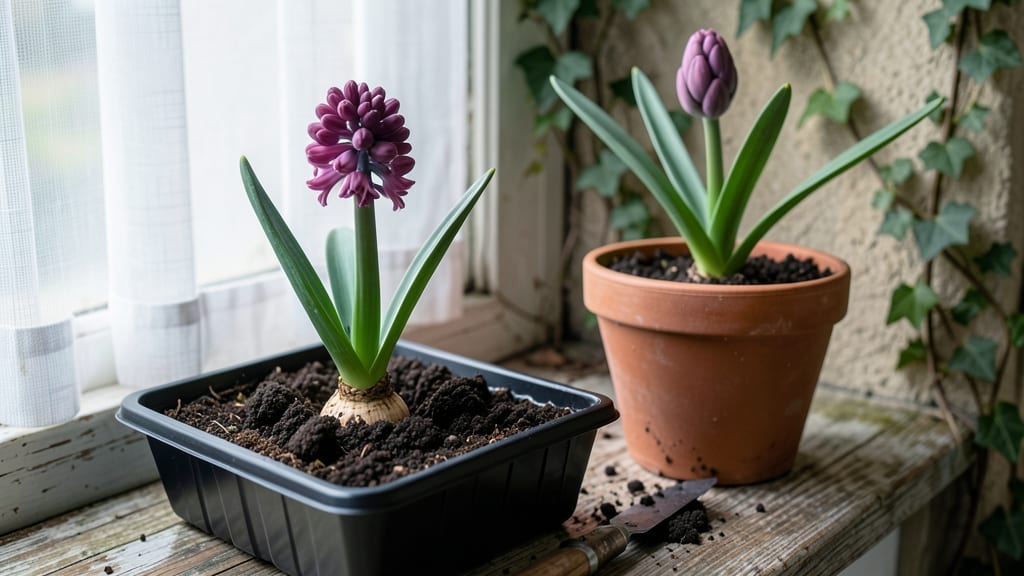
Growing hyacinths from seed isn’t just possible—it’s a foolproof way to get blooms a full year sooner than buying bulbs. ✨ The secret lies in mimicking winter’s cold snap, which tricks seeds into breaking dormancy and shooting up faster than traditional methods.
I’ve tried this three times now, and my first blooms arrive by early April instead of May. Most gardeners skip seed-growing because it sounds complicated, but you only need three things: a cold frame or fridge, a tray of damp potting mix, and patience.
Plant seeds in late summer, let them chill for 8-10 weeks, then move them to light. The payoff? Unique colors and fragrances you won’t find in stores, plus the satisfaction of growing something from scratch. By spring, you’ll have sturdy seedlings ready to transplant.
They’ll look different from bulb-grown hyacinths—taller stems, more branches—but the perfume is just as intoxicating. The best part? No more waiting three years for blooms like with bulbs; these seedlings reward you with flowers in their first year. Works for any climate, though timing varies slightly by zone.
Here’s exactly how to do it without the guesswork.
📚 In This Guide
- What you need
- Instructions
- Tips and common mistakes
- Wrapping up and next steps
What you need
- ● Hyacinth seeds: 5–10 fresh, high-quality seeds (preferably from a trusted supplier—old seeds may not germinate well).
- ● Cold stratification setup: Small plastic bag or airtight container (e.g., a ziplock bag with a tiny air hole).
- ● Moistened paper towels or vermiculite: Enough to lightly wrap the seeds (keep damp, not soggy!).
- ● Refrigerator: A standard fridge (34–40°F / 1–4°C) for stratification.
- ● Growing containers: Small pots (2–3 inches wide): 1–2 per seedling (use well-draining pots with drainage holes).
- ● Seed-starting mix: 1–2 cups of lightweight, sterile potting soil (e.g., 50% peat moss + 50% perlite).
- ● Humidity dome or plastic wrap: To retain moisture during germination.
- ● Grow lights or sunny windowsill: A bright, indirect light source (6–8 hours/day).
- ● Misting bottle or spray nozzle: For gentle watering.
- ● Heating mat: Speeds up germination if your home runs cool (70–75°F / 21–24°C ideal).
- ● Fertilizer: A balanced liquid fertilizer (5-5-5 or 10-10-10) diluted to half-strength for young seedlings.
- ● Grow trays with clear lids: For easier humidity control.
- ● Plant labels: To track varieties (hyacinths can take 2–3 years to bloom!).
- ● Patience (and a journal!): Note dates for stratification, germination, and transplanting.
Step-by-Step instructions for growing hyacinths from seed
Here's how to break the cold stratification process into simple steps—your fastest route to fragrant blooms.
🌱 Step 1: Collect and Prepare Fresh Hyacinth Seeds
Harvest seeds from mature hyacinth pods when they turn brown and begin splitting open—this usually happens 6-8 weeks after flowering. Remove the black seeds and let them dry completely in a paper bag for 1-2 weeks at room temperature. Fresh seeds germinate best, so avoid using seeds older than 6 months.
I like to soak the seeds in lukewarm water for 12 hours before stratification. This softens the tough outer coating and gives germination a head start. Drain them well afterward—you don't want soggy seeds going into cold storage. Here's the thing: if you skip this soak, germination will still happen, but it'll take 2-3 weeks longer.
❄️ Step 2: Cold Stratify for 8-12 Weeks
Place the prepared seeds in a sealed container with a moist paper towel or sand—just enough moisture to keep them damp, not wet. Store this container in your refrigerator's crisp drawer (the one set to 34-40°F) for 8-12 weeks. This mimics winter's natural chilling period that breaks seed dormancy.
Check the seeds every 2-3 weeks—they should remain moist but never soggy. If the paper towel dries out, add a few drops of water and reseal the container. You'll see tiny white roots emerge after 4-6 weeks of cold treatment—that's your signal the stratification is working. Real talk: don't rush this step. Incomplete chilling results in weak seedlings that never bloom.
🌱 Step 3: Sow Stratified Seeds in Germination Mix
Fill small pots (about 2-3 inches deep) with a sterile seed-starting mix—never garden soil, which can harbor diseases. Plant the seeds ½ inch deep, spacing them 1 inch apart in the pot. Gently press the soil around them so they make good contact but don't compact it too tightly.
Place the pots in a humidity dome or cover them with plastic wrap to retain moisture. Keep them in a warm spot (65-70°F) with bright indirect light—no direct sun yet. You should see the first sprouts in 2-4 weeks, though some seeds may take up to 6 weeks depending on their freshness. Watch for the first true leaves to appear—that's when you'll know they're ready for their next growth phase.
☀️ Step 4: Provide Light and Gradually Acclimate
Once seedlings have 2-3 sets of true leaves, remove the humidity dome and move them to a south-facing window or under grow lights providing 12-14 hours of light daily. Hyacinths need plenty of light to develop strong stems—they'll stretch and weaken if kept in dim conditions.
After 4 weeks of growing, start hardening them off by placing pots outside in a sheltered spot for 1-2 hours daily. Gradually increase this time over 10-14 days until they can handle full outdoor conditions. You'll notice the leaves darken and stems thicken as they toughen up. This step is crucial—skipping it means delicate seedlings shocked by sudden sun exposure.
🪴 Step 5: Transplant and Winter for Blooming
Plant seedlings outdoors in fall, about 6-8 weeks before your first frost date. Choose a location with full sun to partial shade and well-draining soil. Space them 4-6 inches apart in the ground. Water thoroughly after planting to help roots establish.
Here's the hack for faster blooms: let the seedlings overwinter in the ground. They need this cold period to mature properly. You'll see new growth in spring, and with proper care, your hyacinths will bloom in 2-3 years—much faster than the 5+ years it takes from bulb planting. Mulch around the base after the first frost to protect tender roots from freezing temperatures.
Tips & tricks for perfect hyacinth seed stratification
These simple tricks will help you skip the guesswork and get those fragrant blooms faster.
Timing Secret: In Step 1, that 12-hour soak is your germination secret weapon. Use a kitchen timer so you don't forget—seeds left soaking too long can start germinating prematurely in the fridge. I like to set it right when I go to bed so they're ready for stratification in the morning. This step cuts your germination time nearly in half compared to dry seeds.
Cold Storage Strategy: For Step 2, I've had the best luck using a small plastic container with air holes in the lid. Place it on a shelf in the fridge where the temperature stays consistently between 34-40°F. The key is keeping that moisture level just right—think of a wrung-out sponge. Too wet and they'll rot; too dry and they won't break dormancy. Check them every 2-3 weeks like clockwork, and you'll see those white roots appear like clockwork too.
Lighting Hack: When you reach Step 4, if you don't have a south-facing window, grow lights are your best friend. I use simple LED shop lights on a timer for 12-14 hours daily—they're energy efficient and won't overheat your seedlings. Position them just 6 inches above the plants and adjust as they grow. The goal is to prevent that leggy, weak growth that happens when plants stretch toward light. Trust me on this: proper lighting now means stronger plants later.
Transplanting Timing: For Step 5, mark your calendar 6-8 weeks before your first frost date—this is non-negotiable. The seedlings need time to establish roots before winter sets in. I like to plant them in late summer when soil temperatures are still warm but nights are cooling. This gives them a head start before the cold sets in. And that mulch? Don't skimp—it's what protects those tender roots from freezing temperatures.
Pro Tips for Hyacinth From Seed
- These simple tricks will help you skip the guesswork and get those fragrant blooms faster.
- Timing Secret: In Step 1, that 12-hour soak is your germination secret weapon.
- Cold Storage Strategy: For Step 2, I've had the best luck using a small plastic container with air holes in the lid.
Frequently asked questions
Got questions about growing hyacinths from seed?
You’re not alone! Here are answers to the most common queries—from timing to troubleshooting—to help you succeed with your cold-stratified blooms.
How long does it take for hyacinth seeds to germinate?
Hyacinth seeds can take 3 to 6 months to germinate, depending on the variety and stratification method. Patience is key—some may sprout sooner if kept consistently moist and cool (around 40–50°F). Avoid rushing; warmth too soon can trigger rot. Pro tip: Label your pots to track planting dates!
Can I skip cold stratification for hyacinth seeds?
Cold stratification mimics winter conditions and breaks seed dormancy, making germination far more reliable. Without it, seeds may linger for years or never sprout. For best results, stick with 6–8 weeks in the fridge (or outdoors in winter). Exception: Some modern hybrids may germinate faster, but blooms will be delayed.
Why aren’t my hyacinth seedlings blooming?
Hyacinths grown from seed rarely bloom in the first year—they focus on root and leaf growth. With patience, you’ll see flowers in 2–3 years. To speed things up, ensure they get full sun (6+ hours/day) and well-draining soil. Overcrowding or poor light can further delay blooms. Troubleshoot: Yellow leaves? Check for overwatering!
Can I grow hyacinths from seed indoors?
Yes! Start seeds indoors in late summer using a seed-starting mix and grow lights (if natural light is weak). Keep them in a cool (50–60°F) spot until stratification. Transplant outdoors after the last frost, spacing them 4–6 inches apart. Just remember: Indoor starts need extra humidity to prevent drying out. Bonus: Use clear containers to monitor root growth!
What’s a good alternative if seeds don’t work?
If seed-growing feels too slow, consider dividing mature hyacinth bulbs in summer (after foliage yellows) or buying pre-grown bulbs for guaranteed blooms. Bulbs are also cheaper and faster—just plant them 6 inches deep in fall for spring flowers. Trade-off: Seed-grown hyacinths offer unique, heirloom varieties!
Wrapping up and next steps
Growing hyacinths from seed is a rewarding journey that unlocks vibrant blooms with a little patience and the right techniques—especially that cold stratification hack! By following these steps, you’ll not only speed up germination but also enjoy healthier, more resilient plants.
Now that you’re armed with the know-how, why not take the next step? Try planting your seeds this season and watch your garden transform with fragrant, colorful surprises. Happy gardening! 🌱✨