
Lawn
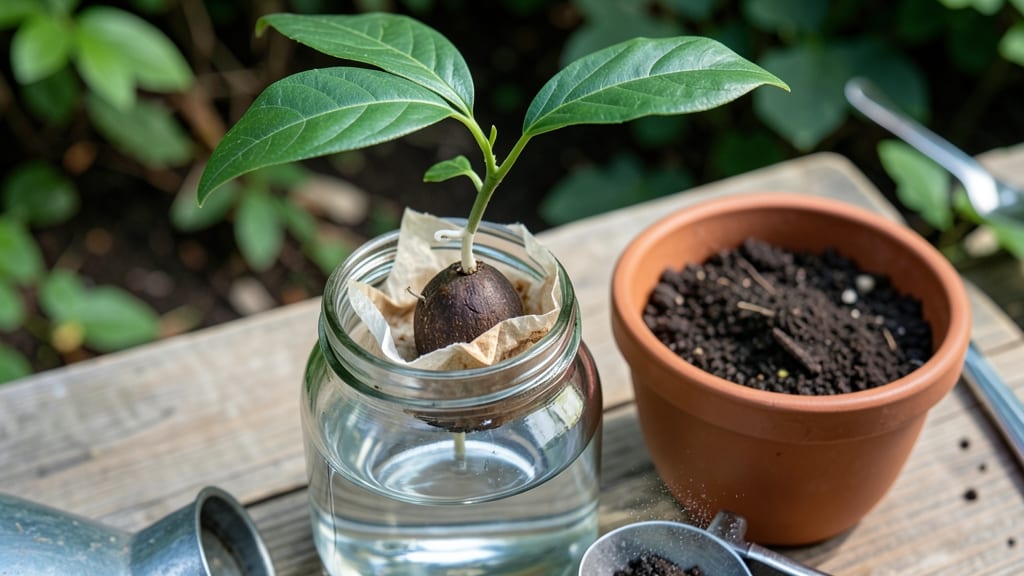
Making an avocado seed sprout feels like watching a tiny miracle unfold—especially when you see those first roots break through in just 2-3 weeks. ✨ The process is simpler than you think, and with a few household items, you’ll have a thriving seedling ready for planting in under a month.
I’ve sprouted dozens this way, and the key is patience paired with consistent care.
You only need three things: a fresh avocado pit (the bigger, the better), three toothpicks, and a jar of water. No fancy equipment—just what’s already in your kitchen. The toothpicks hold the pit at the perfect angle, letting roots grow downward while the top stays dry.
Change the water every 2-3 days to keep it fresh, and avoid letting it sit in stale water, which can cause mold.
Within 4 weeks, you’ll have a 6-inch root system ready for transplanting into soil. The first leaves will appear soon after, signaling it’s time to move your seedling into a pot.
Watching it grow from a bare pit to a lush plant is oddly satisfying—like nurturing a tiny green pet you can’t wait to share.
This method works year-round, though slower growth happens in winter months. If your seedling’s roots grow too long before leaves appear, don’t worry—it’s just eager to get started.
The real magic happens when you transfer it to soil and see those first true leaves unfurl. Ready to give it a try?
📚 In This Guide
- What you need
- Instructions
- Tips and common mistakes
- Wrapping up and next steps
What you need
- ● 1 ripe avocado – Choose one with a firm pit for best results.
- ● 3-4 toothpicks – To suspend the pit without piercing it.
- ● 1 small glass or jar – At least 6-8 inches tall (wide-mouth works best).
- ● Water – Tap or filtered water (avoid distilled if possible).
- ● Paper towels or coffee filters – 2-3 sheets to wrap the pit.
- ○ Potting soil (optional for later) – Well-draining mix for transplanting.
- ● Small pot (4-6 inches in diameter) – For transplanting once roots grow.
- ● Spray bottle – For misting the pit without over-saturating.
- ● Planting markers – To label your avocado sprout if you’re growing multiple.
- ● Fertilizer (balanced, diluted) – Once leaves appear, for extra nutrients.
- ● Grow lights or sunny windowsill – If natural light is limited.
Step-by-step instructions for growing avocado roots from a seed
Here's how I've sprouted avocado seeds reliably—no fancy tools, just patience and a little science.
🌱 Step 1: Prepare Your Avocado Seed for Sprouting
Start with a fresh avocado pit—one that's still firm and hasn't dried out. Rinse it gently under cool water to remove any remaining fruit residue. The key here is to expose the seed's base where the roots will emerge. I like to use three toothpicks to suspend the seed over a glass of water.
Position the toothpicks so they hold the seed just above the waterline, with the wider, flatter side facing down. This keeps the seed stable while allowing the root to grow downward into the water. The seed should float just enough to stay suspended—if it's too high, roots won't reach the water, and if it's too low, it'll rot. Aim for about 1 inch of the bottom submerged.
💧 Step 2: Provide Consistent Moisture and Warmth
Fill your glass with enough water to cover the bottom 1 inch of the seed. Change the water every 2-3 days to prevent bacterial growth. Place the glass in a warm spot—70-75°F is ideal—like near a sunny window or on top of a refrigerator. You'll see the first signs of growth within 2-4 weeks, but don't rush it.
Watch for the root to reach about 2-3 inches long before moving to soil. If the water gets cloudy or smells funky, dump it and refill immediately. The root should look firm and white, not mushy or brown. This is the moment that matters: once it's strong enough, you're ready for the next step.
☀️ Step 3: Transition to Soil and Encourage Growth
Once your root is 2-3 inches long, fill a small pot—4-6 inches wide—with well-draining potting mix. Make a small hole in the center and gently place the seed so the root sits inside while the top half remains exposed. Press the soil lightly around the root to secure it without compacting it too much.
Water the soil until it's moist but not soggy. Place the pot in bright, indirect light—like a few feet from a south-facing window. Avoid direct sunlight at first, as it can scorch the young seed. Keep the soil consistently moist, but not waterlogged. You'll notice new leaves emerging from the top of the seed in about 2-4 weeks.
🌿 Step 4: Maintain Your Sprout for Long-Term Success
Once your avocado seedling has a few leaves, it's time to move it to a larger pot—6-8 inches wide—if it's outgrowing its current space. Use the same well-draining potting mix and water thoroughly after repotting. Place the pot in a spot with bright, indirect light for the first few weeks, then gradually introduce more sunlight as the plant strengthens.
Water when the top 1 inch of soil feels dry, and fertilize lightly with a balanced, water-soluble fertilizer every 4-6 weeks during the growing season. Avoid overwatering—avocado seedlings are sensitive to root rot. With patience, your seedling can grow into a small tree, though it may take years to bear fruit.
Tips & tricks for growing avocado roots from seeds
Real talk: Growing avocado roots from seeds is more about patience than skill—and these tricks will help you avoid the most common mistakes.
Seed Selection: The secret starts with your avocado pit. Look for one that's heavy for its size, with a smooth, unblemished surface. I've found that pits from Hass avocados (the most common variety) work best because they're naturally larger and more robust. If your pit feels light or has cracks, it won't sprout successfully—trust me, I've tried!
Water Quality Matters: The water you use is just as important as the seed itself. Tap water with chlorine can harm delicate roots, so I recommend using filtered or bottled water. Change it every 2-3 days as instructed, but also refresh it immediately if it gets cloudy—this prevents bacterial growth that can rot your root before it even starts.
Light Positioning: While Step 2 mentions warm spots, light placement is equally critical. Place your glass near a window that gets bright, indirect light for 6-8 hours daily. South-facing windows are ideal, but avoid direct midday sun which can overheat the water and stress the seed. I've seen roots grow faster when the seed gets gentle morning light rather than harsh afternoon rays.
Soil Transition Timing: The moment you move your seed to soil is crucial—don't rush it! Wait until the root reaches exactly 2-3 inches (no shorter, no longer) before transplanting. At this stage, the root should be firm and white, not limp or brown. I've had seeds fail because I transplanted too early—they couldn't support themselves in soil without proper strength.
Pro Tips for Make An Avocado Seed Sprout
- Real talk: Growing avocado roots from seeds is more about patience than skill—and these tricks will help you avoid the most common mistakes.
- Seed Selection: The secret starts with your avocado pit.
- Water Quality Matters: The water you use is just as important as the seed itself.
Frequently asked questions
Got questions about sprouting avocado seeds? You’re not alone—this process can feel mysterious at first! Below, we’ve rounded up the most common queries to help you grow those roots with confidence.
How long does it take for an avocado seed to sprout?
Patience is key! Most avocado seeds take 2–6 weeks to sprout, depending on conditions like warmth (70–85°F), humidity, and seed health. Keep the toothpicks moist but not soggy—consistency speeds up the process. If you’re using the water method, expect roots to appear in 3–4 weeks.
Why isn’t my avocado seed sprouting?
Don’t worry—seeds can be stubborn! Common culprits include:
- Dry conditions: Check moisture daily; the seed should feel damp but not waterlogged.
- Poor drainage: If using soil, ensure excess water drains to avoid rot.
- Cold temps: Avocados love warmth; keep it away from drafts or AC vents.
- Old seed: Fresh seeds sprout faster—try a newer one if yours is over a month old.
Pro tip: Gently wiggle the seed to loosen it from the pit if it’s stuck!
Can I plant the avocado seed directly in soil?
Once roots reach 2–3 inches, you can transplant it to a pot with well-draining soil. Use a mix of potting soil and perlite (60/40 ratio) to prevent sogginess. Place the pot in bright, indirect light and keep soil lightly moist. Just avoid direct sunlight at first—it can stress the young plant.
How do I speed up the sprouting process?
Boost your seed’s growth with these tricks:
- Warmth: Place the jar/container near a sunny window or use a seedling heat mat (75–80°F ideal).
- Humidity: Cover the jar with plastic wrap (remove daily to check moisture).
- Light: Once roots appear, move it to bright, indirect light (no direct sun yet!).
- Fertilizer: After transplanting, use a diluted seaweed or fish emulsion fertilizer monthly.
Warning: Avoid over-fertilizing—young plants are sensitive!
Will my avocado seed grow into a tree?
Yes! With care, your sprouted avocado seed can grow into a mature tree (10–20 years), but it may take patience. Most store-bought avocados are hybrids, so the fruit might not match the parent. For guaranteed edible avocados, start with a seed from a heirloom or Hass avocado—and give it plenty of sunlight!
Wrapping up and next steps
Growing an avocado seed into a thriving sprout is easier than you think—just patience, a little care, and a cozy corner! 🌱 You’ve now got the tools to nurture roots, monitor growth, and troubleshoot hiccups along the way.
Whether you’re aiming for a houseplant or just love watching nature unfold, your tiny green friend is well on its way to becoming a lush, leafy companion.
Ready for the next step? Once your sprout reaches 6–12 inches, consider repotting it in soil to encourage stronger growth—or share the magic with a friend! 🌿 Your green thumb is already blooming!