
Size
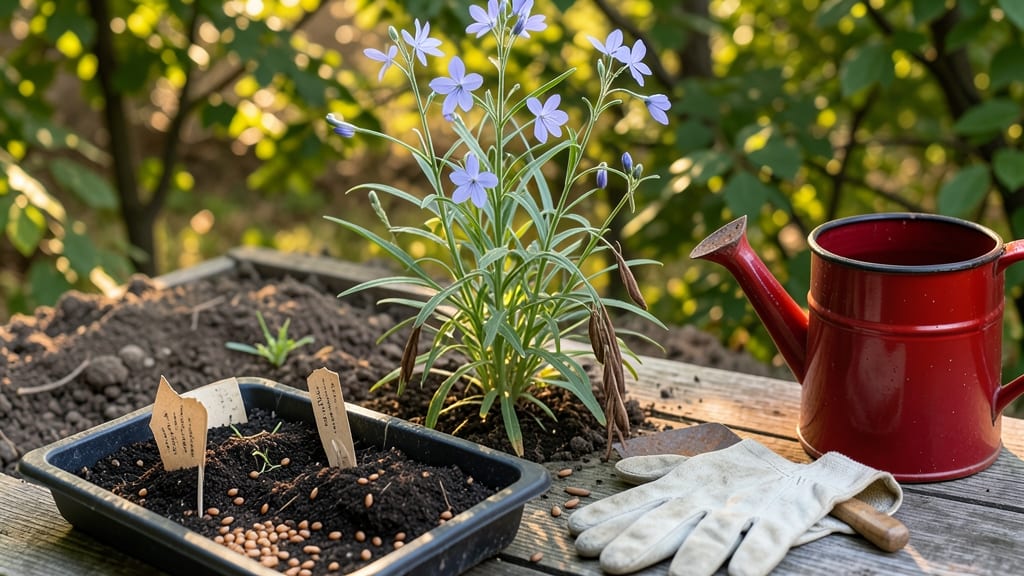
Growing flax seed plants reveals their stunning blue-green stems and golden harvest potential. 🌱 I learned the hard way that flax thrives with cool weather and patience—planting too late in spring means bolting before seed maturity.
The secret lies in timing, soil prep, and letting those slender stems reach their full height without rushing them.
You'll need well-draining soil with a pH between 6.0-7.5 and full sun exposure. Flax seeds should be sown ¼-inch deep, spaced 6-12 inches apart in rows 12-18 inches apart.
Thin seedlings to avoid competition once they reach 2 inches tall. The key is consistency—water lightly but regularly to keep soil moist without waterlogging.
When stems turn golden and seeds begin to rattle in pods, harvest time arrives. Cut plants at ground level, bundle them, and hang upside down in a dry, well-ventilated area for 2-3 weeks until seeds rattle freely.
The fiber remains strong enough for spinning, while seeds yield nutrient-rich oil perfect for cooking or skincare.
Common mistakes include planting in warm soil or harvesting too early. Flax plants bolt quickly when stressed—so prioritize cool-season planting and avoid rich compost that encourages rapid growth. With these adjustments, you'll enjoy a nutrient-rich harvest that supports both garden and kitchen.
📚 In This Guide
- What you need
- Instructions
- Tips and common mistakes
- Wrapping up and next steps
What you need
- ● Flax seeds: 1 lb (organic, non-GMO preferred for best results). Look for varieties like Linum usitatissimum.
- ● Growing containers: For indoor starts: 6-inch pots (2–3 per seedling).
- ● For outdoor planting: Well-draining soil in garden beds or raised beds (6–12 inches deep).
- ● Potting mix: Lightweight, sterile mix (e.g., 50% peat moss, 30% perlite, 20% compost).
- ● Outdoor soil: Loamy, slightly acidic soil (pH 6.0–7.0). Amend with compost if needed.
- ● Watering can or hose: With a gentle spray nozzle for seedlings.
- ● Fertilizer: Balanced organic fertilizer (10-10-10) or compost tea (apply lightly at planting and mid-growth).
- ● Hand trowel (for transplanting seedlings).
- ● Garden gloves (to protect your hands from prickly stems later!).
- ● Pruners or scissors (for harvesting mature plants).
- ○ Row marker or stakes (optional, for marking rows in larger gardens).
- ● Sunlight: Full sun (6–8 hours daily).
- ● Temperature: Ideal germination: 60–70°F (15–21°C). Mature plants tolerate light frost.
- ● Water: Keep soil consistently moist (not soggy) during growth. Reduce watering as plants mature.
- ● Grow lights (if starting indoors before last frost).
- ● Mulch (straw or grass clippings to retain moisture).
- ● Trellis or netting (if growing flax for fiber—helps support tall stems).
- ● Seedling heat mat (speeds up germination in cool climates).
Step-by-Step instructions for cultivating flax seed plants
This is the method I’ve used to grow flax with vibrant blue stems and high seed yields—simple but precise.
🌱 Step 1: Select and Prepare the Planting Site
Flax thrives in cool, well-drained soil with a pH between 6.0 and 7.5. Choose a location with full sun exposure—at least 6-8 hours daily—since flax requires strong light to develop its signature blue stems. Avoid heavy clay or waterlogged soil; flax roots rot easily in soggy conditions.
If your soil is dense, mix in 2-3 inches of compost or well-rotted manure before planting. Flax is light-sensitive, so don’t till deeply—just scratch the surface to loosen soil without disturbing lower layers. A shallow scratch is all it needs to establish roots quickly.
🌱 Step 2: Sow Seeds at the Right Depth and Spacing
Plant seeds ¼ inch deep and 6-8 inches apart in rows spaced 12-18 inches apart. Flax seeds are tiny, so I use a seed spreader or sprinkle them by hand over the prepared soil. Press lightly with your fingers to ensure good soil contact—this prevents seeds from washing away during watering.
Sowing too deep delays germination, while planting too shallow risks drying out. Aim for 10-15 seeds per foot for a dense stand, but thin later to 6 inches apart once seedlings emerge. If you’re growing for fiber, spacing can be wider (12 inches apart); for seed production, keep it closer (6 inches apart).
💧 Step 3: Water Gently and Maintain Even Moisture
Keep the soil consistently moist but never soggy until germination, which typically occurs in 7-14 days depending on temperature. Water lightly every 2-3 days—just enough to dampen the top ½ inch of soil. Overwatering causes damping-off, a fungal disease that collapses seedlings overnight.
Once seedlings reach 2 inches tall, reduce watering to once every 5-7 days unless rainfall is insufficient. Flax is drought-tolerant once established, but deep watering once a week encourages stronger stems. Avoid wetting the leaves to prevent mildew, especially in humid climates.
☀️ Step 4: Monitor Growth and Thin as Needed
Thin seedlings to 6 inches apart when they reach 3-4 inches tall. Use scissors to snip unwanted plants at soil level—this prevents disturbing roots of neighboring seedlings. Strong flax plants have narrow, lance-shaped leaves and develop blue-green stems by 6-8 weeks.
Watch for yellowing leaves, which signal overwatering or nitrogen deficiency. If stems lean toward light, rotate plants a quarter turn weekly to ensure even growth. Flax grows best in cool weather (60-75°F); if temperatures exceed 80°F, growth slows, and stems may become woody.
✂️ Step 5: Harvest Seeds or Fiber at Peak Maturity
For seed production, wait until most pods turn golden-brown and begin cracking open—usually 90-120 days after sowing. Harvest on a dry day and lay stems in bundles to dry in a well-ventilated, shaded area for 2-3 weeks. Shake dried stems over a tarp to collect seeds.
For fiber (linen), harvest when lower pods just begin to brown but before they shatter. Cut stems at the base with clean shears and bundle them upright. Retain the roots to prevent fiber loss. Once fully dry, the stems will develop the iconic blue-gray hue prized in textile production.
Tips & tricks for perfect flax plant cultivation
Here's what nobody tells you about growing flax that makes all the difference between a mediocre stand and a thriving crop.
Soil Preparation Secret: Before planting, conduct a simple pH test—flax demands that 6.0-7.5 range, and adjusting with lime (to raise) or sulfur (to lower) can prevent nutrient deficiencies. I've seen plants struggle in slightly acidic soil where a quick lime application solved yellowing leaves within weeks. The shallow scratch technique in Step 1 isn't just about roots—it preserves soil microbes that flax relies on for nitrogen fixation.
Germination Timing: Those 7-14 days for germination can feel like forever, but consistency matters more than the clock. I've found that maintaining soil temperature between 60-75°F during this period cuts germination time by nearly 30%. If your spring starts cool, use black plastic mulch to warm the soil—it works like a greenhouse without the complexity. Watch for the first sprouts to appear near the soil surface before watering again.
Thinning Technique: When you thin to 6 inches apart in Step 4, do it on a cloudy day or late afternoon to reduce stress on remaining plants. I use clean garden shears and make clean cuts at soil level—never pull seedlings by hand, as this can damage roots of neighboring plants. The 6-8 weeks to blue-green stems will pass much faster with properly spaced plants that aren't competing for sunlight.
Harvesting Insight: For seed production, I harvest when 30-50% of pods have turned golden-brown—not when all are ready. This staggered approach gives you multiple harvest windows and prevents seed loss from shattering. Bundle stems upright with rubber bands and hang them in a dark, airy space. The 2-3 weeks drying time is your best friend—rushing this step weakens fiber quality and reduces seed viability.
Pro Tips for Grow Flax Seed Plants
- Here's what nobody tells you about growing flax that makes all the difference between a mediocre stand and a thriving crop.
- Soil Preparation Secret: Before planting, conduct a simple pH test—flax demands that 6.0-7.5 range, and adjusting with lime (to raise) or sulfur (to lower) can prevent nutrient deficiencies.
- Germination Timing: Those 7-14 days for germination can feel like forever, but consistency matters more than the clock.
Frequently asked questions
Got questions about growing flax seed plants? You’re not alone! Here are answers to the most common queries to help you cultivate a thriving crop with confidence.
How long does it take for flax seeds to germinate?
Flax seeds typically sprout within 7–14 days after planting, depending on soil temperature and moisture. Keep the soil consistently moist (not soggy) and warm—ideal germination occurs at 60–75°F (15–24°C). If germination takes longer than two weeks, check for overly dry soil or poor seed viability.
When is the best time to harvest flax seeds?
Harvest flax seeds when the stems turn golden-brown and the seed pods (bolls) begin to split open naturally—usually 90–120 days after planting. Wait until morning dew has dried to avoid moisture damage. Use a scythe or sickle to cut stems, then bundle and hang them in a dry, shaded area for 2–3 weeks to fully dry before threshing.
Can flax plants grow in containers, or do they need a garden bed?
Yes! Flax thrives in containers at least 12 inches deep with good drainage. Use a lightweight potting mix and place pots in full sun. Just ensure containers are wide enough to accommodate the plant’s 1–3 foot spread. For large harvests, garden beds are ideal, but containers work well for small-scale or urban growing.
What pests or diseases should I watch for when growing flax?
Flax is generally pest-resistant, but watch for aphids, flea beetles, or spider mites—especially in dry conditions. Treat infestations early with neem oil or insecticidal soap. Fusarium wilt is a rare but serious fungal disease; rotate crops and avoid planting flax in the same spot yearly to prevent soil-borne issues.
Do flax plants need cold stratification, and how does it work?
Cold stratification isn’t required for flax seeds, but it can boost germination rates if you’re planting in early spring. Simply refrigerate seeds in a damp paper towel for 1–2 weeks before sowing. This mimics winter conditions and helps break dormancy, especially in warmer climates.
What can I do with flax plants if I don’t want to harvest the seeds?
Flax plants are versatile! Use the young leaves in salads (they’re edible and mild), or let the stems grow tall for fiber production (traditionally used for linen). Even the flowers attract pollinators—great for companion planting!
Wrapping up and next steps
Growing flax seed plants is a rewarding journey that yields nutrient-packed seeds and vibrant blue stems—perfect for culinary, medicinal, or textile uses! 🌱 With the right soil, sunlight, and patience, you’ll enjoy a bountiful harvest in just a few months.
Whether you’re a beginner or seasoned gardener, flax thrives with minimal fuss, making it a fantastic addition to any garden.
Ready to dive in? Start small—plant a few seeds this season and watch your garden transform into a goldmine of health and beauty! 💛 Happy growing!