
Size
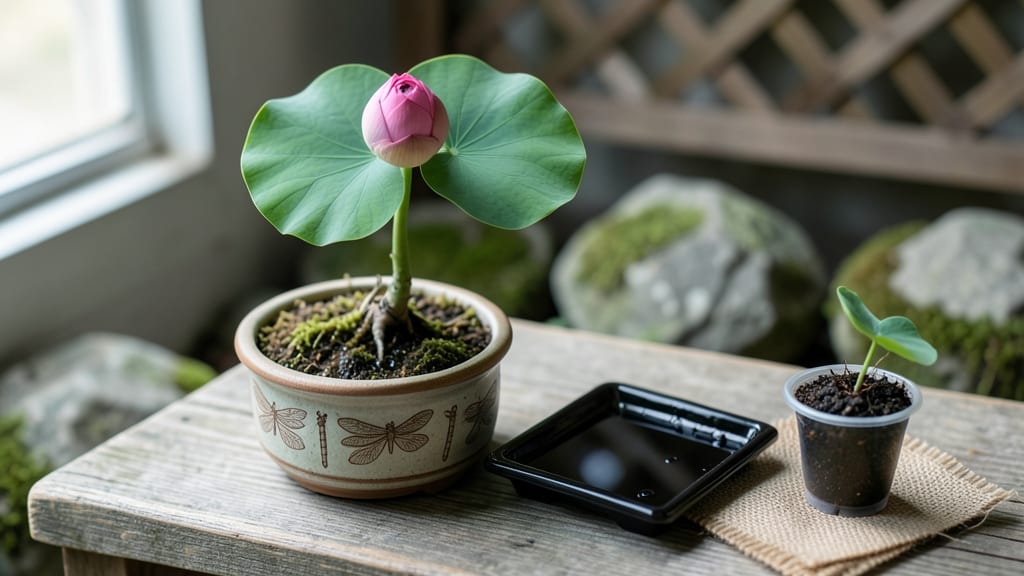
Growing bonsai lotus seeds turns your patio into a serene miniature water garden. 🌿 The secret lies in replicating their natural swampy habitat while keeping them small enough to fit on a table.
My first attempt failed when I ignored the delicate balance between water, soil, and humidity—but I’ve since perfected the method for lush, compact lotus plants that bloom like tiny water lilies.
You’ll need a shallow container with drainage holes, a mix of 50% aquatic soil and 50% perlite, and warm water to keep roots happy without drowning them.
The seeds take patience—germination can take 4-8 weeks—but once they sprout, the journey to a 6-inch bonsai lotus (yes, they really stay small!) begins. This isn’t just a plant; it’s a living centerpiece that thrives in containers.
By summer, you’ll watch delicate pink or white blooms unfurl on stems just a few inches tall, their fragrance filling the air like a secret garden. The key is gentle pruning after blooms fade and weekly misting to mimic humidity.
Even in small spaces, this aquatic beauty becomes the star of any room.
Fair warning: these plants love warmth and won’t tolerate frost. But with the right setup, you’ll enjoy year-round growth—indoors or out—without the mess of a full pond. Let’s get those seeds sprouting!
📚 In This Guide
- What you need
- Instructions
- Tips and common mistakes
- Wrapping up and next steps
What you need
- ● Bonsai lotus seeds: 5–10 seeds (ensure they’re fresh and viable—check the packet for germination rates).
- ● Container: Small waterproof pot (6–8 inches wide, with drainage holes).
- ● Or a shallow bonsai tray (if using a water-based setup).
- ● Growing medium: 50% peat moss or coconut coir (for moisture retention).
- ● 50% perlite or coarse sand (for aeration and drainage).
- ● Water: Distilled or dechlorinated water (tap water can harm seeds—use a water conditioner if needed).
- ● Humidity dome or plastic wrap: To maintain moisture during germination.
- ● Grow lights or sunny windowsill: 6–8 hours of indirect light daily (south-facing window or LED grow lights).
- ○ Small fan (optional): For gentle airflow to prevent mold (run on low for 1–2 hours daily).
- ● pH test kit: To monitor soil pH (ideal range: 5.5–6.5).
- ● Fertilizer (after germination): Balanced liquid fertilizer (e.g., 10-10-10, diluted to half-strength).
- ● Or slow-release pellets for bonsai (follow package instructions).
- ● Heating mat: Keeps soil warm (70–75°F) to speed up germination.
- ● Tweezers or seedling tray: For delicate seed placement.
- ● Decorative stones or pebbles: To line the bottom of the container (adds aesthetics + drainage).
- ● Misting bottle: For gentle watering (avoids disturbing seeds).
- ● Bonsai wire or pruning tools: For shaping once your lotus starts to grow!
Step-by-Step instructions for cultivating bonsai lotus seeds
Here's how to coax delicate lotus seeds into miniature water garden treasures.
🌱 Step 1: Stratify Seeds to Break Dormancy
Lotus seeds require cold stratification to germinate. Place them in a sealed container with slightly damp sphagnum moss and refrigerate for 6-8 weeks at 35-40°F. Check weekly and mist with water if the moss dries out—it should stay consistently moist but not soggy. This cold treatment mimics winter conditions and signals the seed it's safe to sprout.
I like to label the container with the date and variety, since some lotus hybrids take slightly longer. Real talk: if you skip this step, germination rates drop dramatically, and some seeds may never sprout. Patience here pays off in stronger seedlings later.
💧 Step 2: Prepare Germination Trays with Shallow Water
After stratification, transfer seeds to a shallow tray filled with 1-2 inches of dechlorinated water (use rainwater or tap water left out for 24 hours). Place the tray in bright, indirect light—direct sun will overheat the water and damage emerging sprouts. I use a clear plastic container with a lid to create a mini greenhouse effect while still allowing light penetration.
Watch for tiny white roots to appear within 2-4 weeks. These roots will anchor the seedling before leaves emerge. Don't be tempted to move them yet—wait until you see first true leaves forming before transplanting, which usually takes another 2-3 weeks after root emergence.
☀️ Step 3: Transplant to Individual Containers
Once seedlings show 2-3 true leaves, carefully transfer them to 4-inch pots filled with a mix of 50% aquatic soil and 50% perlite for drainage. Submerge the pots in 3-4 inches of water—just enough to keep the soil constantly moist but not waterlogged. Position pots in full sun (6+ hours daily) for optimal growth, but shield from intense afternoon heat with sheer fabric if temperatures exceed 85°F.
This is the moment that matters: lotus seedlings are delicate and prone to rot if overwatered. You'll know the water level is right when the soil surface stays damp but no water pools on top. I like to use a small watering can with a fine rose attachment to gently water around the edges of the pots.
🪴 Step 4: Maintain Water and Light Conditions
Keep the water level consistent by adding dechlorinated water as needed—never let it drop below the soil surface. In warm months (60-80°F), fertilize lightly every 2 weeks with a diluted aquatic plant fertilizer (half-strength). You'll see new leaves emerge within 4-6 weeks of transplanting, signaling healthy growth. If leaves appear yellow or wilted, reduce fertilizer strength immediately—overfeeding is a common mistake.
Rotate pots quarter-turn weekly to prevent leaning toward the light. Strong bonsai lotus stems develop when grown evenly exposed. This is especially important for container-grown plants, which can become lopsided without regular adjustments.
⏰ Step 5: Prune and Shape for Bonsai Form
After 6-8 months, when seedlings reach 6-8 inches tall, begin pruning to encourage branching. Use clean, sharp scissors to trim the top set of leaves, leaving 2-3 leaves per stem. This forces the plant to grow new shoots from the sides, creating the dense, bushy form needed for bonsai. Pinch back any leggy growth immediately—you want compact, controlled growth, not rapid vertical expansion.
Shape the plant gradually by wiring the main stems into your desired bonsai form. I recommend using copper wire for flexibility and minimal damage to the stems. Wrap wire loosely and adjust weekly as the plant grows. Remove wire after 3-4 months to prevent scarring. This is where bonsai magic happens—patience and gentle guidance transform a simple seedling into a miniature masterpiece.
Tips & tricks for perfect bonsai lotus seed cultivation
These subtle adjustments make all the difference when nurturing your delicate bonsai lotus seedlings from seed.
Stratification Precision: During the 6-8 week cold treatment at 35-40°F, place your sealed container in the crisper drawer of your refrigerator—not the main compartment. This maintains the most consistent temperature, which is critical for breaking dormancy. I've found that using a small plastic container with ventilation holes punched in the lid prevents condensation buildup that could lead to mold. The moss should stay damp like a wrung-out sponge—never soggy.
Light Management Secret: When your seedlings first emerge in Step 2, they're extremely sensitive to temperature fluctuations. Position your germination tray on a seedling heat mat set to 70°F during daylight hours—this mimics natural spring conditions. The indirect light requirement is non-negotiable: place your setup near an east-facing window where morning sun is gentle. If you're using artificial lights, LED grow lights on a 12-hour cycle work best, positioned 6 inches above the water surface.
Transplanting Technique: In Step 3, when moving seedlings to their 4-inch pots, I recommend using a fine mesh strainer to gently lift them from the water tray. This preserves the delicate root structure that's already established. The 50/50 soil-perlite mix is perfect, but for even better drainage, add a handful of small aquarium gravel to the bottom of each pot before adding your soil mixture. This creates an air pocket that prevents root rot, which is the #1 killer of young lotus seedlings.
Pro Tips for Grow Bonsai Lotus Seeds
- These subtle adjustments make all the difference when nurturing your delicate bonsai lotus seedlings from seed.
- Stratification Precision: During the 6-8 week cold treatment at 35-40°F, place your sealed container in the crisper drawer of your refrigerator—not the main compartment.
- Light Management Secret: When your seedlings first emerge in Step 2, they're extremely sensitive to temperature fluctuations.
Frequently asked questions
Got questions about growing your own bonsai lotus? You’re not alone—this delicate art takes patience and know-how! Here are answers to the most common queries to help you succeed.
How long does it take for bonsai lotus seeds to germinate?
Germination can take anywhere from 2 to 6 weeks, depending on water temperature (ideal: 70–75°F) and consistency. Keep seeds moist but avoid stagnant water—patience is key! If nothing sprouts after 8 weeks, try soaking seeds in warm water for 24 hours before replanting.
Can I grow bonsai lotus in regular soil instead of water?
No! Bonsai lotus requires aquatic conditions—they’re semi-aquatic plants. Use a shallow container (3–5 inches deep) with 3–4 inches of water at all times. For soil-based setups, opt for a bog garden with constantly damp (not soggy) substrate like peat moss and perlite.
Why are my lotus leaves turning yellow or wilting?
Yellowing leaves often signal nutrient deficiency or root rot. Check water quality (use dechlorinated water), reduce sunlight if leaves scorch, and trim dead foliage. If roots smell foul, repot in fresh substrate and avoid overwatering. Lotus plants need balance!
Do bonsai lotus seeds need light to germinate?
Yes! Place your seed container in bright, indirect light (e.g., near a window with sheer curtains). Once sprouts emerge, move them to direct sunlight (6–8 hours/day) to prevent leggy growth. No light = weak, etiolated seedlings.
Can I grow bonsai lotus indoors year-round?
Indoor growth is possible, but lotus thrive best in warm climates (USDA Zones 8–11). If indoors, use a grow light for 12+ hours/day and maintain 70–80°F temps. In colder months, keep them in a sunny room or greenhouse—they’ll go dormant without warmth!
Still stumped? Drop your question in the comments—we’re happy to help your mini water garden bloom!
Wrapping up and next steps
Growing bonsai lotus seeds is a rewarding journey that blends patience, creativity, and a touch of nature’s magic. 🌱 With the right soil, container, and care, you’ll nurture a stunning miniature water garden that thrives in even small spaces.
Remember, consistency is key—whether it’s maintaining water levels or pruning with precision.
Now that you’re armed with knowledge, take the plunge and start your bonsai lotus adventure today! Share your progress with fellow plant enthusiasts or experiment with different container styles to make your creation uniquely yours. Happy growing! 🌟