
Propagation
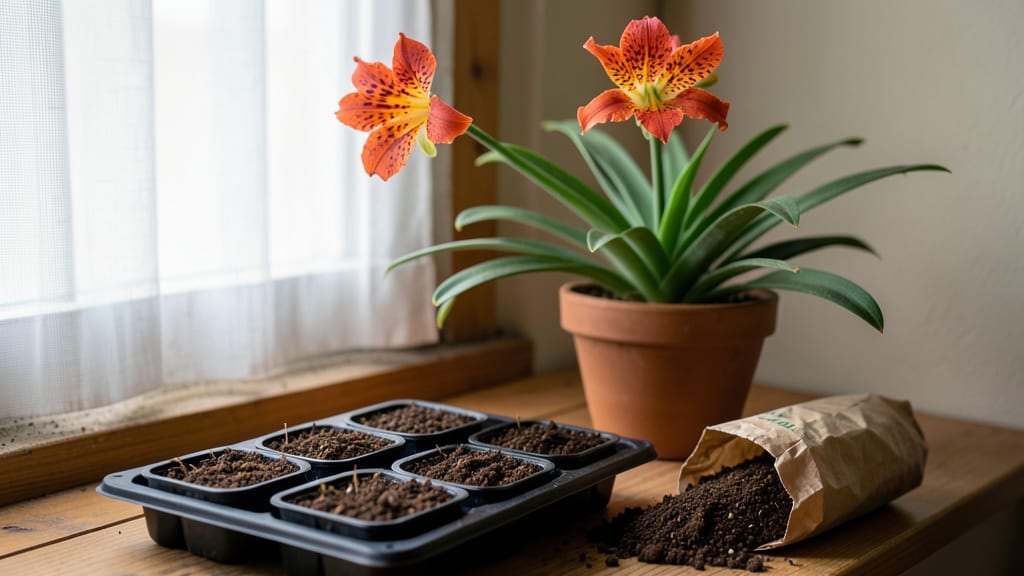
Growing blackberry lily from seeds gives you fiery orange blooms that look like tiny blackberries—and it takes just 60 days from seed to showy flowers. 🌱 I’ve grown these from seed three times now, and the secret isn’t fancy equipment but knowing exactly when and how to plant them.
These hardy perennials thrive on neglect once established, but the first steps matter for those early sprouts.
The key is patience and consistency: blackberry lily seeds need warm soil (70-80°F) and bright light to germinate. I start mine indoors in early spring, pressing seeds just ¼-inch deep in a mix of potting soil and perlite.
Keep the soil damp (not soggy) and expect sprouts in 2-4 weeks—though some seeds take longer, so don’t give up after two weeks. A heat mat helps speed things up if your home stays cool.
Once seedlings pop up, thin them to 2 inches apart and give them full sun (they’ll stretch like teenagers if they don’t get enough light). By 60 days, you’ll see those signature orange flowers with black stamens—a real conversation starter in any garden.
The foliage even turns a pretty bronze in fall, so they’re worth the wait.
Blackberry lilies handle drought once rooted, but young plants need regular watering until established. They multiply like crazy, so divide clumps every few years to keep them blooming strong. Perfect for borders, cottage gardens, or even containers—just give them room to spread. Here’s how to keep them thriving!
📚 In This Guide
- What you need
- Instructions
- Tips and common mistakes
- Wrapping up and next steps
What you need
- ● Blackberry lily seeds: 10–20 seeds (fresh or stored properly in a cool, dry place). Pro tip: 💡 Buy from a reputable supplier for the best germination rates!
- ○ Seed-starting mix: 1–2 cups of well-draining, sterile potting soil (or a mix of 50% peat moss + 50% perlite/vermiculite). Optional: Add a handful of compost for extra nutrients.
- ● Small pots or seed trays: 2–4 biodegradable pots (2–3 inches deep) or a shallow tray with drainage holes. Why? Blackberry lily seeds hate soggy roots!
- ● Spray bottle: 1 (for gentle watering—no forceful streams!).
- ● Plastic wrap or humidity dome: 1 sheet or cover (to retain moisture while seeds germinate).
- ● Grow lights or sunny windowsill: Access to 6–8 hours of indirect light daily. No sunlight? A basic LED grow light works wonders! 🌞
- ○ Fertilizer (optional but helpful): A balanced, water-soluble fertilizer (5-5-5 or 10-10-10) for young seedlings.
- ● Warmth: Seeds germinate best in temperatures between 70–75°F (21–24°C). Use a seedling heat mat if your home runs cooler. Cold feet? No problem—just be patient!
- ● Patience: Germination can take 2–4 weeks. Stay consistent with care!
- ● Space: A dedicated spot for seedlings (outdoor transplanting happens after the last frost).
- ● Seedling labels or popsicle sticks to track varieties.
- ● Tweezers for delicate seed handling.
- ● Fungicide (like neem oil) to prevent damping-off in humid conditions.
- ● A notebook to log growth progress—because every little sprout is a victory! 📝
Step-by-step instructions for growing blackberry lily from seeds
Here’s my foolproof method for coaxing these striking blooms from tiny seeds—no green thumb required.
🌱 Step 1: Prepare Seeds for Maximum Germination
Blackberry lily seeds need a little help breaking dormancy. First, soak them in lukewarm water for 24 hours—this softens the tough outer coating and speeds up germination. I like to use a small glass jar with a loose lid so seeds stay submerged but not waterlogged. After soaking, drain them and wrap the seeds in a damp paper towel.
Place the towel-wrapped seeds in a sealed plastic bag and store them in a warm spot, like on top of your fridge. Check daily—keep the towel damp but not soggy. You’ll see tiny roots emerge in about 3-5 days. This is your cue to move to the next step. Don’t skip the soaking; seeds left dry may take weeks or never sprout.
🪴 Step 2: Plant in Light, Well-Draining Soil
Fill small pots (about 2-3 inches deep) with a mix of 50% potting soil and 50% perlite or coarse sand—this ensures excellent drainage, which blackberry lilies crave. I use 4-inch pots for each seed, as they dislike being crowded. Gently press the sprouted seeds into the soil, just ¼ inch deep, with the root facing downward.
Water lightly from the bottom by placing the pots in a shallow tray of water for 10 minutes. This prevents disturbing the delicate roots. Place the pots in a warm, bright spot—70-75°F is ideal—but avoid direct sunlight, which can scorch the tender seedlings. You’ll see the first true leaves (not the initial seed leaves) in about 2-3 weeks.
☀️ Step 3: Provide Bright, Indirect Light and Gradual Sun Exposure
Once the seedlings have their first true leaves, move them to a spot with bright, indirect light. A south-facing window with sheer curtains works well. Blackberry lilies need light to grow strong, but too much direct sun too soon will cause the leaves to yellow. I gradually increase their sun exposure over 10-14 days, moving them closer to the window each day.
After 4-6 weeks, when seedlings are about 3-4 inches tall, you can introduce 2-3 hours of morning sun daily. This helps them develop the sturdy stems needed to support their dramatic blooms. Watch for leggy growth—a sign they need more light. If stems stretch too tall and thin, move the pots to a brighter spot immediately.
💧 Step 4: Water and Fertilize for Strong Growth
Water your blackberry lilies when the top inch of soil feels dry. I use a spray bottle for the first few weeks to avoid disturbing the soil, but once seedlings are established, water at the base. Overwatering is the biggest killer—these plants hate soggy roots. Let the soil dry out slightly between waterings, especially in cooler months.
Start fertilizing lightly when the plants are 6-8 inches tall. Use a balanced, water-soluble fertilizer (like 10-10-10) diluted to half strength. Apply every 4-6 weeks during the growing season. You’ll notice stronger, deeper green leaves and thicker stems within a few feedings. Stop fertilizing in late summer to encourage blooming.
⏰ Step 5: Prepare for Blooming and Overwintering
Blackberry lilies typically bloom in their first year if given proper care, usually around 60-70 days after planting. The dramatic, blackberry-like flowers will appear on tall stems—support them with small stakes if needed, as they can flop in wind or rain. Once blooms fade, the foliage will die back naturally, which is normal.
After the first frost, cut back the dead foliage to 1 inch above the soil. Move pots to a cool, dry place (like a garage or shed) for the winter. Water sparingly—just enough to keep the soil from drying out completely. In early spring, repot if the roots are crowded, and resume regular care. With patience, your blackberry lilies will reward you with stunning blooms year after year.
Tips & tricks for growing blackberry lily from seeds
Here's what I learned the hard way after struggling with my first batch—these small details make all the difference between thriving seedlings and wasted effort.
Germination Secret: The 24-hour soak is non-negotiable for breaking dormancy, but don't use boiling water—lukewarm is key. I've tried cold water and it can take twice as long for sprouting. After soaking, pat the seeds completely dry before wrapping in the damp towel, or you risk mold. For best results, place the sealed bag near a warm appliance like your fridge top, where it stays consistently around 75°F.
Soil Mix Matters: That 50/50 potting soil to perlite ratio is crucial—blackberry lilies absolutely hate soggy roots. If you don't have perlite, coarse sand works in a pinch, but avoid fine sand which compacts too easily. I've found that adding a handful of orchid bark to the mix improves aeration even further. When planting your sprouted seeds, use a toothpick to make small holes—it gives you better control than your fingers.
Light Transition Strategy: The 10-14 day gradual light increase is where most beginners go wrong. I've seen seedlings go from perfect to leggy overnight when moved too quickly to direct sun. Start with just 30 minutes of indirect light on day one, then add 15 minutes each subsequent day. By day 10, you'll be at the full 2-3 hours of morning sun. This slow approach prevents the shock that causes yellowing leaves.
Fertilizer Timing: Wait until your plants hit 6-8 inches before fertilizing—this prevents burning delicate young roots. I've made the mistake of fertilizing too early and lost seedlings. When you do start, use that diluted half-strength solution and apply it to the soil surface rather than pouring it directly on leaves. In late summer, the stop fertilizing tip is critical—it signals the plant to focus energy on flower buds rather than foliage growth.
Pro Tips for Grow Blackberry Lily From Seeds
- Here's what I learned the hard way after struggling with my first batch—these small details make all the difference between thriving seedlings and wasted effort.
- Germination Secret: The 24-hour soak is non-negotiable for breaking dormancy, but don't use boiling water—lukewarm is key.
- Soil Mix Matters: That 50/50 potting soil to perlite ratio is crucial—blackberry lilies absolutely hate soggy roots.
Frequently asked questions
Got questions about growing blackberry lilies (Belamcanda chinensis) from seeds? You’re not alone! Here are answers to the most common queries to help you succeed—no guesswork required.
How long does it take for blackberry lily seeds to germinate?
Patience is key! Under ideal conditions (warmth, moisture, and light), seeds typically sprout in 14–30 days. If germination takes longer, don’t panic—some seeds may need a cold stratification period (mimicking winter) to wake up. Keep the soil consistently moist but not soggy, and place the tray in a bright, indirect light spot.
Do blackberry lily seeds need cold stratification?
Not always! While cold stratification (4–6 weeks in the fridge) can improve germination rates for some batches, many blackberry lily seeds germinate well without it—especially if sown in spring or early summer. If your seeds are fresh (harvested that year), skip stratification. For older seeds, try it to boost success.
Can I grow blackberry lilies indoors from seed?
Start seeds indoors 8–10 weeks before your last frost for a head start. Use a sunny windowsill or grow lights (12–14 hours/day) to prevent leggy seedlings. Transplant outdoors after the soil warms to 60°F (15°C)—these plants love heat and thrive in containers or garden beds alike.
Why aren’t my blackberry lily seeds sprouting? Troubleshooting tips.
Here’s a quick checklist:
Soil too dry or compacted? Seeds need consistent moisture—mist lightly daily or use a humidity dome.
Temperature too low? Aim for 65–75°F (18–24°C). A seedling heat mat helps in cool climates.
Seeds too deep? Plant them just ¼ inch (0.6 cm) deep—they need light to germinate.
Old or stored seeds? Test viability by soaking in warm water for 24 hours; sinkers are likely viable.
If all else fails, try scarifying (lightly nicking the seed coat) to break dormancy.Will blackberry lilies bloom the first year from seed?
Probably not! These perennials are slow to mature—expect foliage only in Year 1. Most growers see their first blooms in Year 2 or 3, especially if given full sun and well-draining soil. The wait is worth it: those dramatic orange-red flowers are a showstopper!
Wrapping up and next steps
Growing blackberry lily from seeds is a rewarding journey—one that transforms tiny, patiently nurtured sprouts into stunning, exotic blooms in just 60 days! 🌱 With the right soil, light, and care, you’ll unlock nature’s magic right in your garden or container.
Don’t let hesitation hold you back; grab those seeds, roll up your sleeves, and watch your space transform into a vibrant oasis.
Ready to take the next step? Start small—try a few seeds in pots before committing to a full garden bed. Once you’ve mastered the basics, experiment with different varieties or share your newfound knowledge with fellow plant lovers. Happy growing! 🌸