
Watering
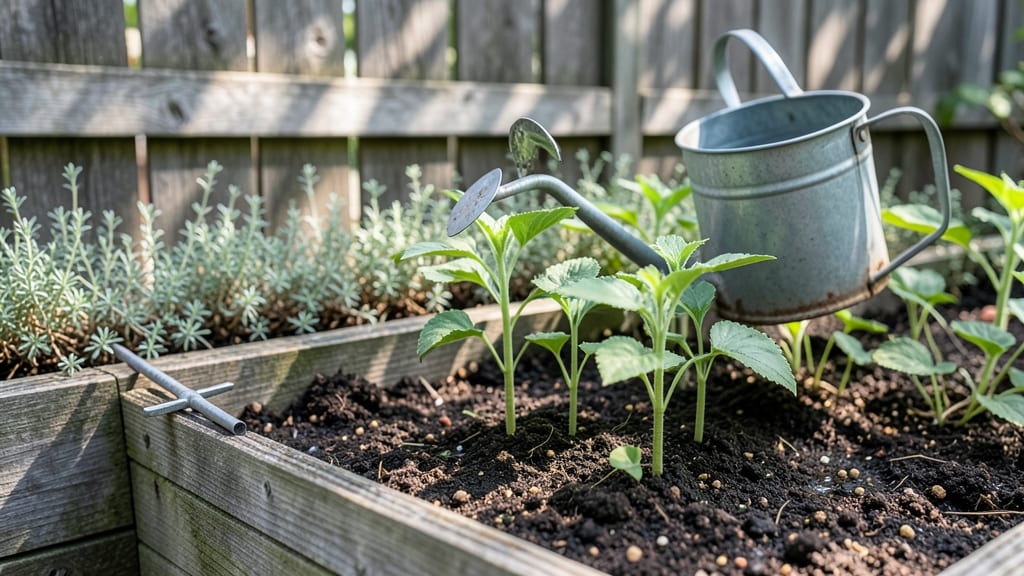
Watering sunflower seedlings the right way—every 1-2 days with deep, even moisture—is the key to fast, bushy growth 🌻.
Too much water drowns their roots, while too little stunts their height. I’ve seen seedlings wilt in hours when the soil dries out, or rot in days if overwatered—both mistakes are easy to make if you’re not checking the soil.
Below, I’ll break down the exact schedule by seedling age, how to tell if you’re over- or underwatering, and pro tips to keep your sunflowers thriving without guesswork.
You’ll learn how to adjust for heatwaves, clay soil, and containers, plus the one trick that saves time and keeps moisture just right.
Sunflower seedling watering schedule: days and depth for optimal growth
Sunflower seedlings are delicate in their early stages, and getting the watering schedule right is crucial for their survival. Too much water can drown their tender roots, while too little causes drought stress. The key is maintaining consistent moisture without waterlogging the soil.
I’ve grown sunflowers for years, and I’ve learned that adjusting your watering routine based on the seedling’s age and environmental conditions makes all the difference.
In the first 7 days after germination, sunflower seedlings need the most frequent watering. Their roots are tiny and haven’t developed enough to reach deeper moisture sources. During this time, the soil should stay evenly damp but never soggy.
Think of it like keeping a damp paper towel over seeds—just enough to support growth without suffocating them. Overwatering now can lead to fungal diseases like damping-off, which can kill seedlings overnight.
Here’s a quick reference for your sunflower seedling watering schedule, including depth and frequency by age:
| Seedling Age | Watering Frequency | Watering Depth | Soil Moisture Goal | Seasonal Adjustments |
|---|---|---|---|---|
| 0–7 days | Every 1–2 days | 1/4 inch deep | Evenly damp | Hot climates: daily |
| 1–3 weeks | Every 2–3 days | 1/2 inch deep | Moist top 1 inch | Cold climates: every 3–4 days |
| 3+ weeks | Every 3–5 days | 1–2 inches deep | Moist top 2 inches | Drought: every 5–7 days |
When watering seedlings aged 1–3 weeks, focus on keeping the top 1 inch of soil moist. At this stage, their roots are growing deeper but still need consistent hydration. I recommend using a spray bottle or a gentle stream from a watering can to avoid disturbing the soil.
Avoid overhead watering, which can spread disease. Instead, water at the base of the seedlings to encourage strong root development.
Once your sunflowers reach 3 weeks old, they’ll start looking more like the towering giants they’re destined to be. At this point, you can gradually reduce watering frequency but increase the depth of each watering.
Aim to soak the soil to a depth of 1–2 inches to encourage deeper root growth. This helps them become more drought-resistant as they mature. In hot climates, you might need to water every 2–3 days, while cooler weather may extend the interval to 4–5 days.
Seasonal adjustments are critical for sunflower seedling care. During summer months, when temperatures soar, seedlings may need watering daily or every other day, especially in containers that dry out faster. In contrast, spring and fall typically require watering every 3–4 days.
Always check the soil moisture by sticking your finger 1 inch deep—if it feels dry, it’s time to water. If it’s still damp, wait another day.
One common mistake I see is assuming that bigger seedlings need more water. While it’s true that mature sunflowers love water, overwatering young seedlings can be just as harmful as underwatering. Always prioritize deep, infrequent watering over shallow, frequent watering.
This encourages roots to grow downward in search of moisture, resulting in stronger, more resilient plants that can handle dry spells later in their growth cycle.
To test if your seedlings are getting the right amount of water, perform the "squeeze test". Gently squeeze a handful of soil near the base of the seedling. If it crumbles easily, it’s time to water. If it stays clumped together, the soil is still moist enough.
This simple trick helps prevent both overwatering and underwatering, ensuring your seedlings thrive from the start. Consistency is key—stick to your schedule, and you’ll be rewarded with healthy, bushy sunflowers ready to bloom.
Remember, sunflowers are sun-loving plants, and their water needs are closely tied to their light exposure. If your seedlings aren’t getting enough sunlight, they’ll require more frequent watering because their growth slows down. Always pair your watering schedule with 6–8 hours of direct sunlight daily for the best results.
With the right balance of moisture and sunlight, your sunflower seedlings will grow into the majestic giants you’ve dreamed of.
Signs your sunflower seedlings are overwatered or underwatered (and how to fix it)
Sunflower seedlings can't tell you when they're thirsty or drowning—so you'll need to learn their visual and tactile cues. Yellowing leaves, mushy stems, or drooping foliage are all red flags that your watering routine needs adjustment.
These signs often appear when seedlings receive inconsistent moisture, whether from too much love (overwatering) or neglect (underwatering).
One of the most common mistakes is assuming sunflowers need daily watering like delicate annuals. In reality, their deep taproots develop quickly, making them more resilient than you might expect. The key is striking a balance—keeping the soil consistently moist without creating waterlogged conditions that suffocate roots.
⚠️ Watering Sunflower Seedlings: The Danger Zone
Most gardeners make these mistakes:
- Daily shallow watering (leads to weak roots)
- Skipping watering entirely when soil dries out
- Watering at night (encourages fungal growth)
For seedlings (0-2 weeks): Water every 1-2 days with 1/4 inch of water. For young plants (3+ weeks): Deep water every 2-3 days, soaking the soil 6 inches deep.
If your seedlings show yellow leaves with green veins, they're likely underwatered. This classic sign means the plant is conserving moisture by shutting down leaf functions. Check the soil—if the top 1-2 inches are dry, it's time to water.
For sunflowers, wilting during the day (not just evening) is another underwatering signal that requires immediate attention.
On the flip side, dark yellow or brown leaves paired with mushy stems scream overwatering. These seedlings are suffocating from root rot, a fungal issue caused by soggy soil. If you notice white mold or a foul smell around the base, your seedlings are drowning.
The fix? Let the soil dry out completely between waterings and consider repotting affected plants in well-draining soil.
Stunted growth is another silent symptom of moisture imbalance. If your sunflowers aren't reaching their expected 3-6 foot height within 4-6 weeks, they may be struggling with either too much competition for water (overcrowding) or inconsistent soil moisture.
Thin seedlings to 12-18 inches apart and adjust your watering schedule to match the season—daily watering in summer vs. weekly in spring/fall.
To fix moisture issues, start by testing soil moisture with your finger. Stick it 1-2 inches deep—if it's dry, water thoroughly. If it's damp, wait another day. Always water at the base of the plant in the morning to reduce evaporation and fungal risks.
For containers, ensure pots have drainage holes and use a lightweight potting mix to prevent compaction.